Winter’s Hidden Culprit: Dry Mouth and Its Impact on Oral Health.
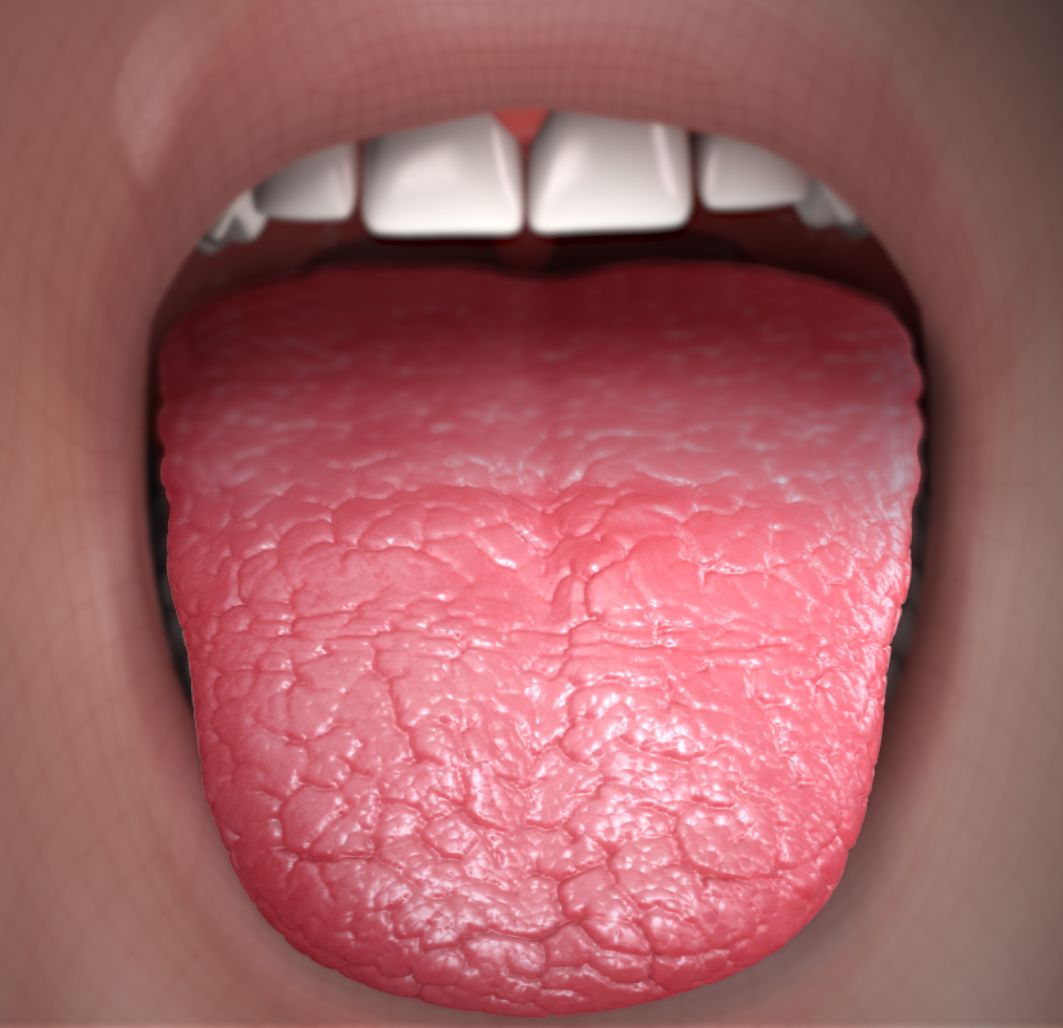
Image: Backlit · CC BY-SA 3.0 · Wikimedia Commons
Winter’s crisp air and indoor heating can leave your mouth feeling drier than ever, but persistent dry mouth (xerostomia) is more than just an inconvenience—it can signal underlying health issues and significantly impact your oral health. For many Australians, this seasonal dryness may worsen existing conditions or mask symptoms of more serious salivary gland dysfunction. If you’re experiencing persistent dryness, altered taste, or discomfort in your mouth, understanding the causes and risks is the first step toward protecting your oral health.
At Melbourne Oral Medicine, we specialise in diagnosing and managing complex oral health conditions, including those related to salivary gland dysfunction. Our telehealth consultations allow you to discuss your symptoms with Dr Suhaib Alqudah, a registered Oral Medicine Specialist with extensive experience in oral mucosal diseases and salivary gland disorders. Whether your dry mouth is due to medication, systemic health issues, or an autoimmune condition, we can help identify the cause and guide you toward appropriate treatment—all without the need for travel.
What Is Dry Mouth (Xerostomia)?
Dry mouth, or xerostomia, occurs when your salivary glands don’t produce enough saliva to keep your mouth moist. Saliva is essential for more than just comfort—it helps digest food, neutralise acids, protect against infections, and remineralise tooth enamel. When saliva flow is reduced, you may experience discomfort, difficulty swallowing, or an increased risk of cavities and oral infections. Xerostomia can stem from various causes, including dehydration, certain medications (such as antidepressants, antihistamines, or blood pressure drugs), radiation therapy for cancer, or systemic diseases like Sjögren’s syndrome.
Research highlights that xerostomia is not just a temporary nuisance but a chronic condition for many patients, often linked to hyposalivation—a measurable reduction in saliva production. A 2016 review in Advances in Clinical and Experimental Medicine notes that xerostomia can exacerbate oral health problems, including rampant caries (tooth decay), mucosal inflammation, and an increased susceptibility to fungal infections like oral thrush. If left unaddressed, these complications can lead to more serious oral and systemic health concerns.
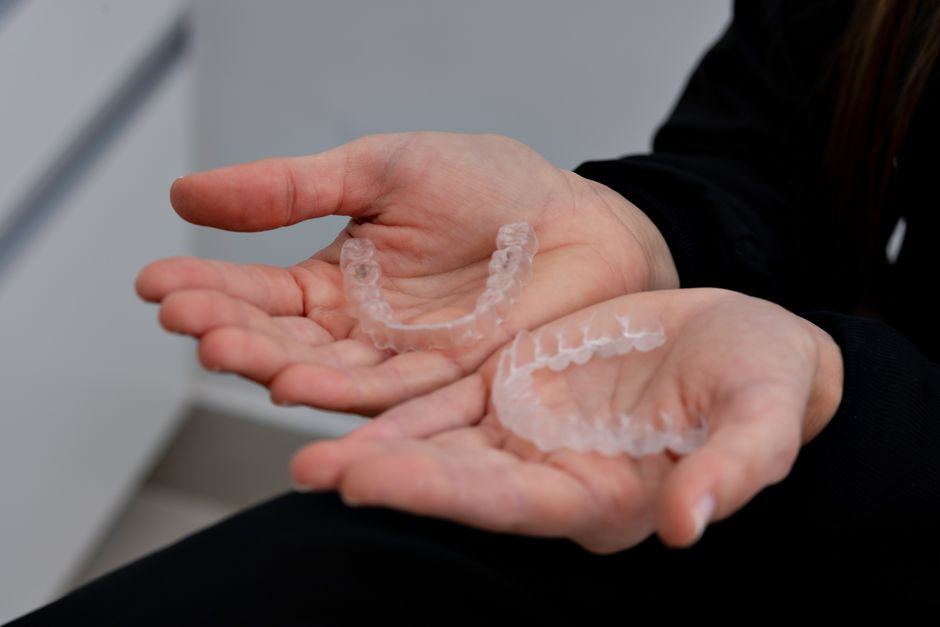
Image: Michielverbeek · CC BY-SA 4.0 · Wikimedia Commons
Common Symptoms of Dry Mouth
Recognising the signs of dry mouth is the first step in seeking appropriate care. Common symptoms include:
A persistent dry or sticky feeling in the mouth
Difficulty speaking, chewing, or swallowing
Chronic sore throat or hoarseness
Altered taste perception (e.g., metallic or bitter tastes)
Frequent bad breath (halitosis)
Increased sensitivity to hot or spicy foods
Recurrent mouth ulcers or infections
While some dryness is normal, especially in winter, persistent symptoms—particularly if accompanied by other systemic issues like fatigue, joint pain, or vision changes—may warrant further investigation. These could indicate an autoimmune condition such as Sjögren’s syndrome, which affects salivary and lacrimal glands.
When Should You Seek Help?
If your dry mouth persists for more than two weeks despite simple remedies like staying hydrated or using saliva substitutes, it’s time to consult an Oral Medicine specialist. Red flags that require prompt attention include:
Severe or persistent mouth ulcers that don’t heal within two weeks
Visible changes to your oral mucosa, such as white patches, redness, or swelling
Difficulty eating or drinking due to pain or discomfort
Systemic symptoms like dry eyes, fatigue, or unexplained weight loss
A family history of autoimmune diseases or salivary gland disorders
Early intervention is key, especially if you’re at higher risk due to medication use, cancer treatment, or an existing autoimmune condition. Our telehealth consultations provide a convenient way to discuss your symptoms with Dr Alqudah, who can assess your oral health remotely and recommend further tests—such as blood work, salivary gland imaging, or a biopsy—if needed. This approach ensures you receive personalised care without unnecessary travel.
Image: www.scientificanimations.com · CC BY-SA 4.0 · Wikimedia Commons
How an Online Oral Medicine Consultation Helps
At Melbourne Oral Medicine, we understand that managing dry mouth and salivary issues often requires a combination of diagnosis, treatment planning, and ongoing support. Our secure video consultations allow you to:
Describe your symptoms in detail—including how they affect your daily life—and receive expert guidance on management strategies.
Discuss potential underlying causes, such as medication side effects or systemic conditions, with a specialist who can order appropriate tests if required.
Avoid unnecessary referrals or hospital visits by triaging your symptoms accurately and connecting you with the right care pathway.
Receive personalised advice on oral hygiene practices, saliva-stimulating techniques, and dietary adjustments to alleviate discomfort.
Access follow-up care to monitor your progress and adjust treatment as needed, all from the comfort of your home.
For patients with complex conditions—such as those undergoing cancer treatment or managing autoimmune diseases—our remote consultations ensure you receive consistent, high-quality care tailored to your needs. Whether you’re experiencing dry mouth due to medication or an underlying systemic issue, we’re here to help you navigate your symptoms and protect your oral health.
FAQ
Can dry mouth be cured?
The underlying cause of dry mouth determines whether it can be cured or only managed. For example, if your dry mouth is due to a medication side effect, switching to an alternative drug or adjusting the dosage may improve symptoms. However, conditions like Sjögren’s syndrome or radiation-induced hyposalivation often require ongoing management with saliva substitutes, hydration strategies, and regular dental check-ups. Our specialists can help identify the best approach for your situation.
Are there home remedies for dry mouth?
While home remedies can provide temporary relief, they’re not a substitute for professional diagnosis. Simple steps like sipping water regularly, chewing sugar-free gum, using artificial saliva products, and avoiding alcohol and caffeine can help. However, if your dry mouth persists or worsens, it’s important to consult an Oral Medicine specialist to rule out underlying conditions. Our telehealth consultations can help you determine whether your symptoms require further medical evaluation.
How does dry mouth affect my overall health?
Chronic dry mouth isn’t just an oral health concern—it can contribute to broader systemic issues. Reduced saliva flow increases the risk of dental caries, mucosal infections, and even oral cancer in some cases. Additionally, xerostomia has been linked to poor nutrition due to difficulty eating and swallowing, which can impact overall health. Research in Oral and Maxillofacial Surgery Clinics of North America (2022) highlights the connection between xerostomia and burning mouth syndrome, a condition that can significantly reduce quality of life. Early intervention is crucial to mitigating these risks.






Add Comment