Oral Medicine Services

Home Services

— OUR SERVICES —

Diagnostic assessment and specialized management for complex mucosal, TMJ joint, facial pain, and salivary gland disorders.

Online oral medicine assessment for mouth ulcers and lichen planus

Oral Ulcers & Mucosal Diseases

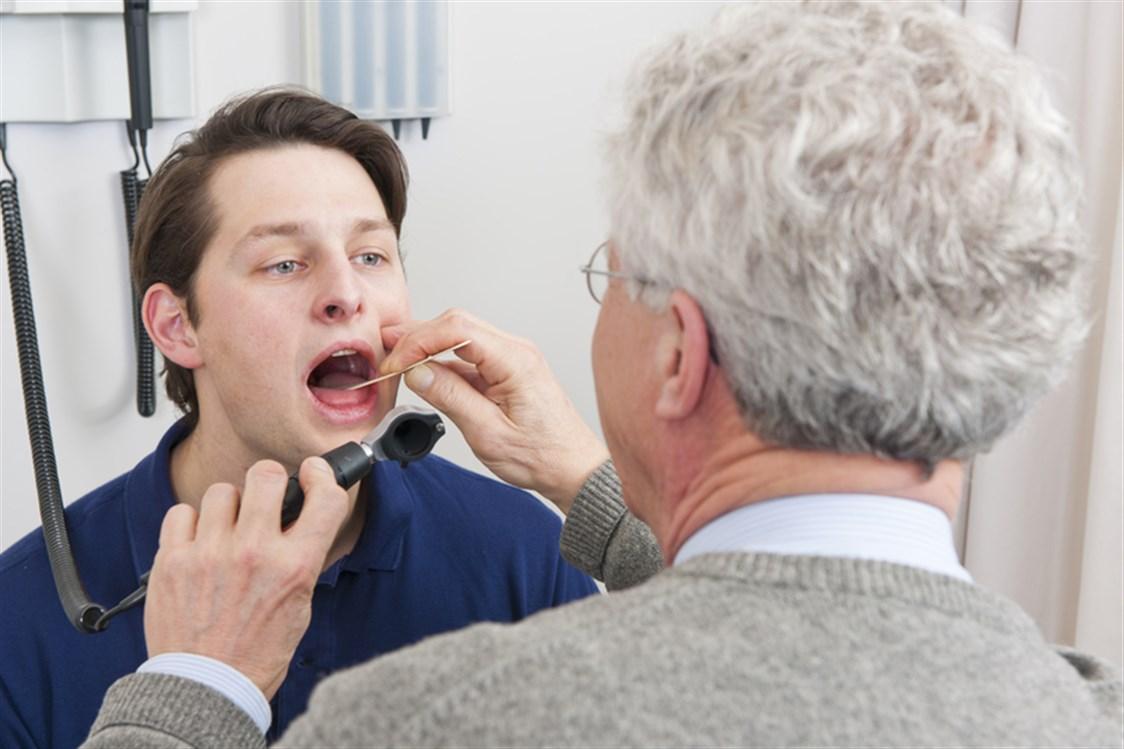
Online oral medicine assessment for recurrent or persistent mouth ulcers, oral lichen planus, candidiasis, white or red patches, blistering disease and other oral mucosal conditions.

A teleconsultation can review symptoms, photographs and existing reports, then explain whether local examination, blood tests, treatment or biopsy may be appropriate. In-person care is recommended whenever clinically required.

When to see an oral medicine specialist about mouth ulcers

Most mouth ulcers heal within two weeks. A specialist opinion is worth seeking when ulcers keep coming back, are large or very painful, take longer than two to three weeks to heal, or appear with other symptoms such as skin, eye or genital sores, weight loss or tiredness.

  • Recurrent aphthous ulcers (canker sores) that interfere with eating
  • White, lacy or red patches, including suspected oral lichen planus
  • Blisters or peeling of the gums and lining of the mouth
  • Persistent soreness, burning or sensitivity of the mouth lining
  • Recurring oral thrush (candidiasis)

How the online assessment works

On a secure video call the specialist takes a detailed history and examines the area on camera, often helped by clear photos you send beforehand. Blood tests to look for deficiencies or underlying conditions can be arranged locally.

You receive a written diagnosis and treatment plan, which may include topical treatments, mouth care advice and coordination with your GP or dentist. If a biopsy or in-person examination is needed, this is arranged with you. Any ulcer that has not healed after three weeks should be examined in person promptly.

Mouth ulcer specialist care across Australia

Most mouth ulcers heal within two weeks. Ulcers that keep coming back, last longer than three weeks, are unusually large or painful, or come with symptoms elsewhere in the body should be assessed by an Oral Medicine specialist. A telehealth consultation reviews your history, medicines and photos or video of the ulcers, and arranges local blood tests or a biopsy when needed, wherever you live in Australia.

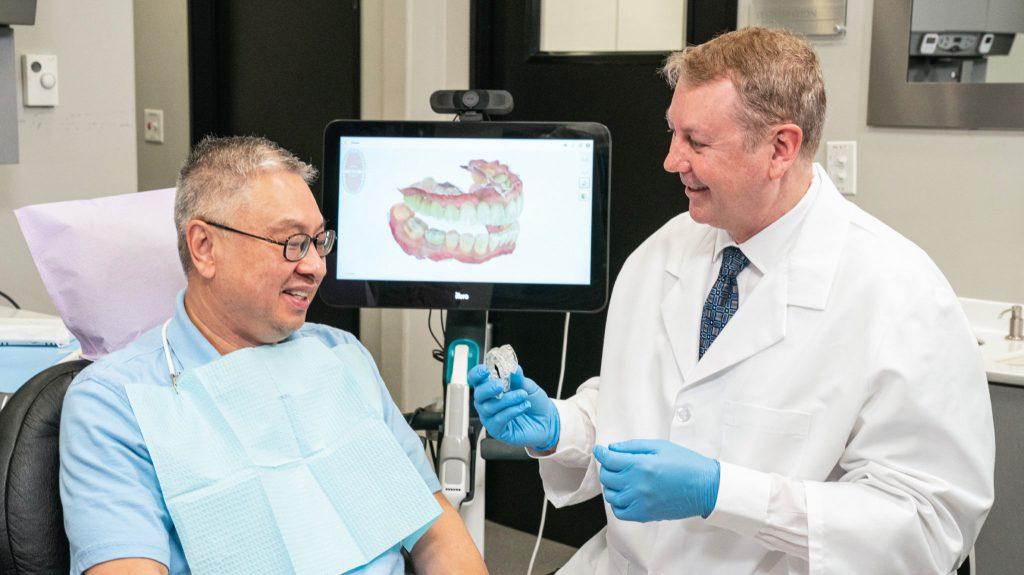
Teleconsultation for TMJ pain jaw pain and facial pain

Orofacial Pain & TMJ Disorders

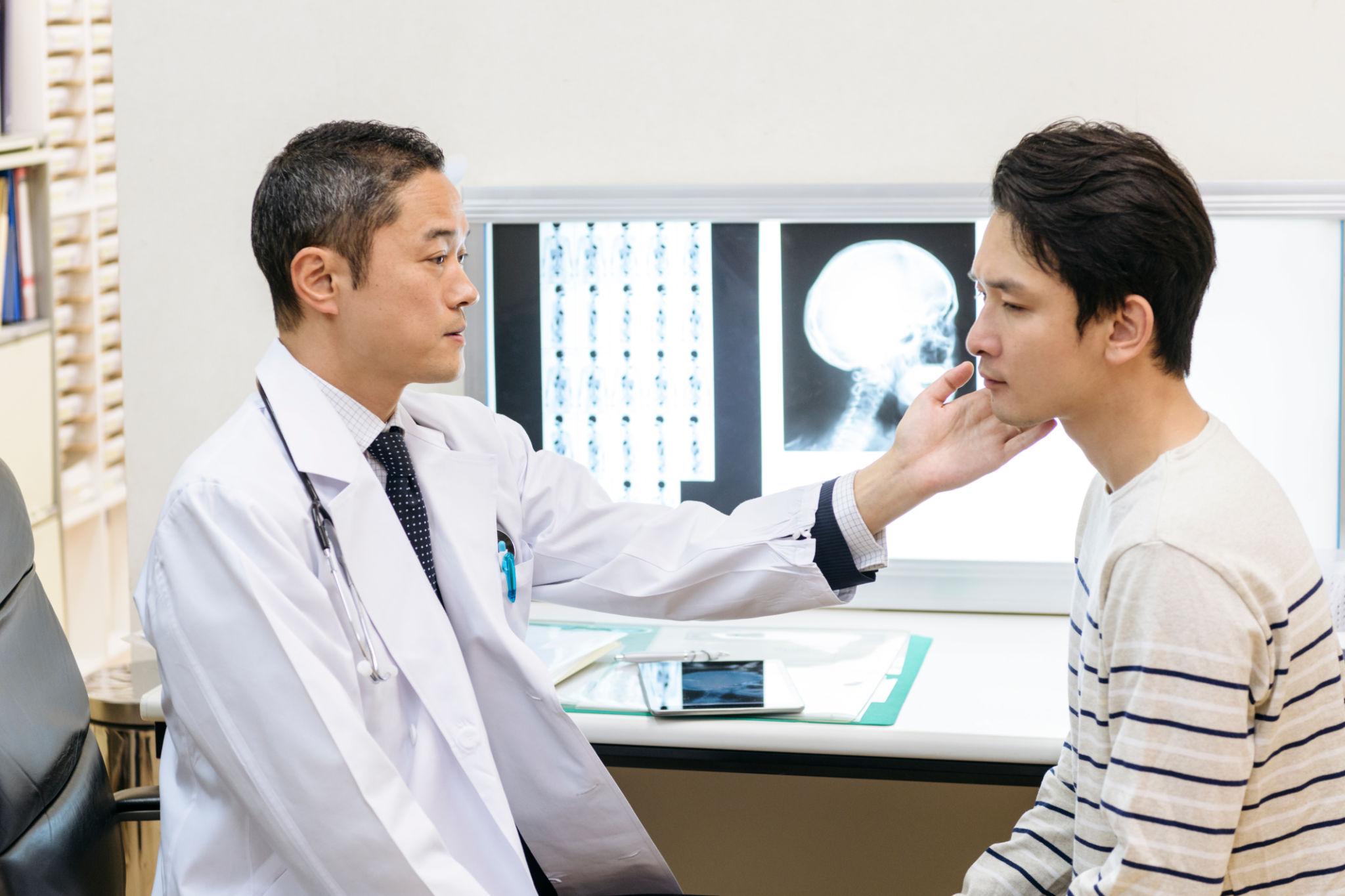
Online assessment for TMJ pain, jaw pain, restricted opening, joint clicking, facial pain, headache associated with the jaw and persistent non-dental pain.

Teleconsultation is suitable for adults and older adults with chronic pain who need diagnostic guidance, report review and a coordinated plan for local imaging, physiotherapy, medication review or specialist care.

When to see a TMJ specialist

Many jaw problems settle with simple self-care. A specialist assessment is worth considering when jaw or facial pain has lasted more than a few weeks, keeps returning, limits how wide you can open, or has not improved with treatment from your dentist or GP.

  • Pain in the jaw joint, cheeks, temples or in front of the ear
  • Clicking, popping or grating with jaw locking or catching
  • Difficulty opening the mouth fully, chewing or yawning
  • Headaches or ear discomfort linked to clenching or grinding
  • Facial pain with no clear dental cause, including burning, shooting or constant aching pain

How a TMJ telehealth consultation works

Much of a TMJ and orofacial pain assessment relies on a careful history: when the pain started, what triggers it, sleep, stress, other pain conditions and the medicines you already take. On a secure video call the specialist takes this history, guides you through jaw movements on camera and reviews any scans, letters or test results you already have.

You receive a working diagnosis and a written plan. Where needed, the plan coordinates local care such as imaging, physiotherapy, an occlusal splint through your dentist, or a medication review with your GP, so you can be treated close to home anywhere in Australia.

Conditions assessed

  • Temporomandibular disorders (TMD) affecting the muscles or the joint
  • Jaw clenching and bruxism-related pain
  • Chronic orofacial pain and persistent pain after dental treatment
  • Neuropathic facial pain, including suspected trigeminal neuralgia

If an in-person examination is needed, the specialist will tell you and help arrange it. Severe sudden facial swelling, fever or difficulty swallowing or breathing needs urgent in-person care rather than a telehealth appointment.

TMJ specialist for Melbourne and Victoria

Patients in Melbourne and across Victoria can see an Oral Medicine specialist for TMJ and jaw pain by telehealth, without travelling to a clinic. When a local examination, imaging, physiotherapy or a splint is needed, the plan connects you with care close to home.

Oral lesion and oral cancer assessment by online consultation

Oral Lesions & Oral Cancer Screening

Specialist online triage for oral lesions, persistent white or red patches, pigmented lesions, non-healing ulcers and concerns about oral cancer or precancerous change.

Remote review does not replace a physical cancer examination or biopsy. It helps assess urgency, review photographs and reports, and direct patients to appropriate local examination, imaging or oral biopsy when needed.

Which oral lesions need a specialist review

Most patches and lumps in the mouth are harmless, but some need closer assessment. An oral medicine specialist can help decide what a lesion is likely to be, how urgently it needs attention and whether a biopsy is needed.

  • A white or red patch that does not rub off or go away
  • An ulcer or sore that has not healed after three weeks
  • A lump or thickening in the cheek, tongue or gums
  • A new dark or pigmented spot in the mouth
  • Numbness, unexplained bleeding or a change in how dentures fit

How online triage works

You share photos and any reports or referral letters, then meet the specialist by video. The specialist reviews your history and risk factors, such as smoking, alcohol and previous lesions, and looks at the area on camera.

The outcome is a clear written plan: reassurance and monitoring, local tests, or an urgent referral for in-person examination and biopsy. Telehealth triage helps you reach the right care quickly; it does not replace a biopsy when one is needed.

Online assessment for burning mouth and taste disorders

Burning Mouth, Taste & Sensory Disorders

Online oral medicine assessment for burning mouth syndrome, oral dysaesthesia, altered or reduced taste, tingling, numbness and persistent sensory symptoms not explained by routine dental findings.

A structured teleconsultation can review medication, medical history and previous tests, identify possible contributing factors and outline appropriate local investigations or treatment options.

Symptoms we assess

  • A burning, scalding or tingling feeling of the tongue, lips or palate
  • A constant bitter, metallic or salty taste, or reduced taste
  • A feeling of dryness even when saliva seems normal
  • Numbness or altered sensation in the mouth

Why a specialist assessment helps

Burning mouth and taste changes can have many causes, including vitamin and iron deficiencies, diabetes, thyroid conditions, dry mouth, oral thrush, reflux and some medicines. When no cause is found the condition is called burning mouth syndrome, which is a recognised nerve-related pain condition.

The specialist reviews your history and medicines by video, looks at your mouth on camera, and arranges local blood tests where useful. You receive a written plan that may include treatment of any underlying cause, targeted medicines, practical measures and follow-up. Treatment often reduces symptoms over several weeks, so regular review is part of the plan.

Dry mouth and salivary gland disorder teleconsultation

Dry Mouth & Salivary Gland Disorders

Specialist teleconsultation for persistent dry mouth, suspected Sjögren disease, medication-related dryness, recurrent salivary gland swelling, salivary stones and related oral symptoms.

The consultation can review chronic disease and medicines, guide local blood tests or imaging, and provide a coordinated oral care plan for patients across Australia, including Tasmania.

When to see a dry mouth specialist

Occasional dryness is common. Persistent dry mouth deserves a specialist opinion, because it can point to an underlying condition and, left untreated, raises the risk of tooth decay, gum problems, oral thrush and difficulty eating, speaking or wearing dentures.

  • A dry, sticky or burning mouth most days for several weeks
  • Needing water to swallow dry food, or waking at night with a dry mouth
  • Dry eyes as well as a dry mouth
  • Swelling or pain of the salivary glands, especially around meals
  • New tooth decay despite good oral hygiene
  • Changes in taste, or soreness of the tongue

Common causes we assess

  • Medicines, particularly when several are taken together
  • Sjögren disease and other autoimmune conditions
  • Diabetes, thyroid disease and other chronic illness
  • Previous radiotherapy to the head and neck
  • Salivary gland blockage, stones or recurrent infection

What happens in an online consultation

The specialist reviews your symptoms, medical history and full medication list, and looks at the inside of your mouth on video. If tests are needed, they are arranged locally, such as blood tests or an ultrasound of the salivary glands, and the results are reviewed with you at follow-up.

You receive a written plan that may include saliva substitutes and stimulants, practical daily measures, protection for your teeth, and suggested medication changes to discuss with your GP. Where an autoimmune cause is suspected, the plan coordinates care with your GP and other specialists.

Oral manifestations of autoimmune and systemic disease teleconsultation

Oral Manifestations of Systemic & Immune-Mediated Diseases

Online oral medicine support for patients with autoimmune disease, immune-mediated blistering disease, chronic systemic illness, cancer therapy complications, recurrent candidiasis and medication-related oral problems.

Teleconsultation helps adults and older adults review complex histories and coordinate appropriate local dental, medical, pathology or biopsy care with their treating clinicians.

How systemic conditions affect the mouth

The mouth often shows signs of conditions elsewhere in the body, and some treatments for those conditions affect the mouth too. Specialist oral care planning helps keep eating, speaking and teeth healthy alongside your other treatment.

  • Autoimmune conditions such as lupus, Sjögren disease and pemphigoid
  • Inflammatory bowel disease and coeliac disease
  • Blood disorders and nutritional deficiencies
  • Diabetes and conditions affecting immunity
  • Side effects of immunosuppressants, chemotherapy or bone-strengthening medicines

What the consultation provides

The specialist reviews your diagnosis, medicines and test results, and examines your mouth on video. You receive a written oral care plan that can be shared with your GP, dentist and other specialists, so dental treatment is planned safely around your condition and its treatment.

Australia-wide online oral medicine

Specialist teleconsults without the need to travel

Remote oral medicine consultations are available Australia-wide, including Tasmania, for adults and older adults living with chronic pain, chronic disease or autoimmune conditions. The online assessment helps review symptoms and available reports, clarify appropriate next steps, and coordinate local tests or in-person care when clinically required.

Mouth ulcers Lichen planus White or red patches Oral lesions Oral cancer assessment Dry mouth Burning mouth TMJ pain Jaw pain Facial pain Trigeminal neuralgia Candidiasis Salivary gland disorders Autoimmune diseases Oral biopsy guidance Pigmented lesions Blistering diseases Taste disorders
Consultation formatSecure online oral medicine teleconsultation.
CoverageAll of Australia, including Tasmania.
Who we supportAdults, older adults and patients with chronic pain or autoimmune disease.
Book Appointment