Completing your Invisalign treatment is an exciting milestone, marking the culmination of your journey towards a straighter smile. However, the crucial phase that follows is retention. This is where your teeth are encouraged to stay in their new, aligned positions. At Melbourne Oral Medicine, we understand that patients often have questions about this post-treatment phase. While Invisalign focuses on orthodontic movement, our expertise lies in the broader oral health landscape, including the management of conditions that might affect your teeth and gums, and ensuring your oral tissues are healthy throughout your treatment and beyond.
Why Are Retainers Essential After Invisalign?
Throughout your life, your teeth are in a constant state of subtle movement, influenced by factors like chewing, biting, and even changes in gum tissue. Invisalign works by applying gentle, controlled pressure to shift your teeth into their desired positions. Once this pressure is removed, your teeth will naturally want to drift back towards their original alignment. This phenomenon is known as 'relapse'. Retainers act as a crucial barrier against this relapse, holding your teeth in place while the surrounding bone and gum tissues adapt to their new positions. Without consistent retainer wear, the significant investment in your orthodontic treatment could be undermined, leading to a less-than-ideal aesthetic and functional outcome.
Types of Retainers and How They Work
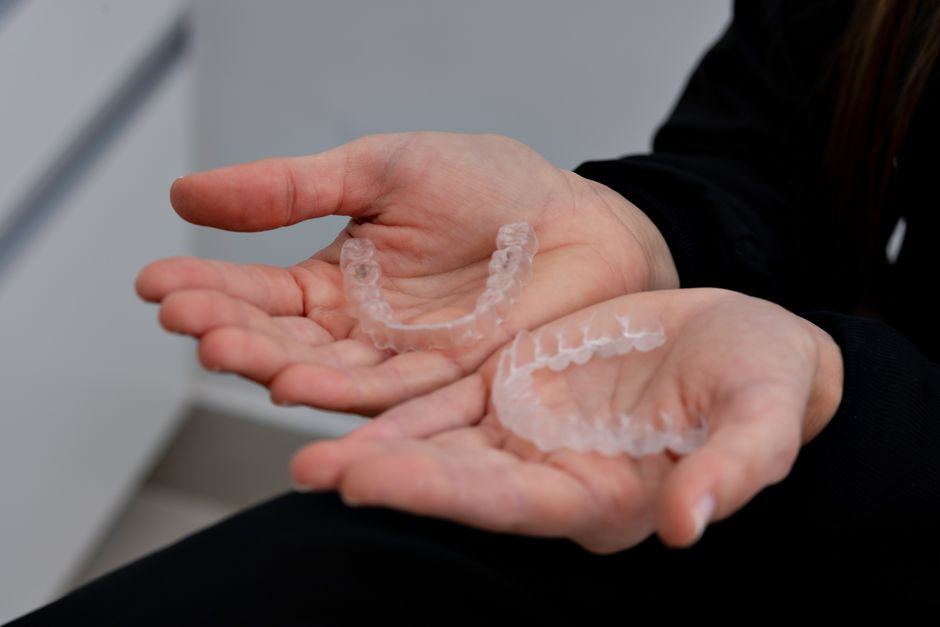
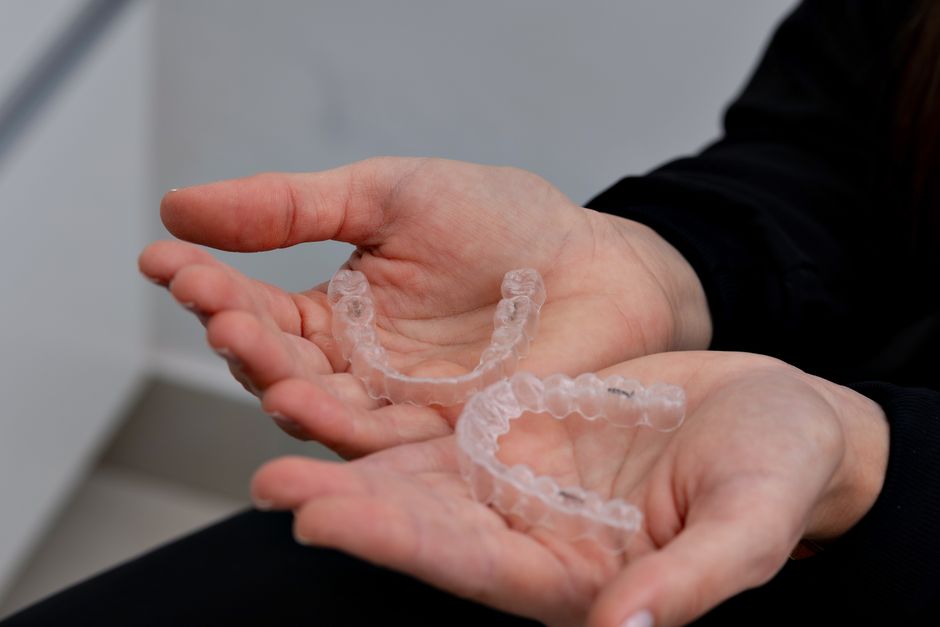
There are generally two main types of retainers: fixed (or bonded) retainers and removable retainers. Fixed retainers typically consist of a thin wire bonded to the back surfaces of your front teeth, providing continuous support. Removable retainers, often made from clear plastic (similar to Invisalign aligners) or a combination of plastic and wire, are worn for a specified period each day or night. The choice between these types often depends on individual orthodontic needs, patient compliance, and dentist recommendations. Regardless of the type, the fundamental principle remains the same: to maintain the corrected position of your teeth. This is vital for both the appearance of your smile and the proper function of your bite. Issues like temporomandibular joint (TMJ) disorders and orofacial pain, which we manage at Melbourne Oral Medicine, can sometimes be exacerbated by changes in bite alignment, making proper retention even more important.
The Importance of Consistent Retainer Wear
The success of retention hinges on your commitment to wearing your retainers as prescribed by your orthodontist. Initially, you might be required to wear them full-time, gradually transitioning to nighttime wear. It's common for patients to experience some initial discomfort or a feeling of pressure when they first start wearing retainers, which is normal as your teeth settle. However, persistent pain, swelling, or any unusual changes in your mouth should be reported. While our focus is on oral medicine and facial pain, we acknowledge that any significant change in oral comfort or function warrants attention. Conditions like burning mouth syndrome, where patients experience a burning sensation in the mouth, or xerostomia (dry mouth), can sometimes be indirectly related to overall oral health and comfort, which retention plays a part in maintaining.
Photo: Laura Beauty Designer | Brasil / Pexels
When to Seek Professional Advice Regarding Your Retainers
It is essential to maintain regular check-ups with your orthodontist or dentist to monitor the fit and integrity of your retainers. If your retainers feel loose, damaged, or if you notice any shifting of your teeth, it's crucial to seek professional advice promptly. Delaying this can lead to significant relapse. Furthermore, if you experience any persistent oral discomfort, unexplained sores, or changes in your oral tissues, it's important to consult with an Oral Medicine specialist. Conditions such as oral lichen planus, which affects the lining of the mouth, or persistent mouth ulcers, require expert diagnosis and management. While these are distinct from orthodontic retention, maintaining optimal oral health is paramount. Our telehealth consultations allow for secure, Australia-wide assessment of oral lesions, suspicious patches, and other oral mucosal diseases, providing timely triage and advice without the need for immediate travel.
Frequently Asked Questions
How long do I need to wear retainers after Invisalign?
The duration of retainer wear varies significantly from person to person and depends on your specific orthodontic treatment and the recommendation of your treating clinician. Generally, retainers are worn long-term, often for life, to maintain the results of your orthodontic treatment.
What should I do if I lose or break my retainer?
If you lose or break your retainer, contact your orthodontist or dentist as soon as possible. They will advise you on the next steps, which may include having a replacement retainer made. In the meantime, if you have a previous set of retainers that still fit, it may be advisable to wear those to prevent tooth movement.
Can retainers cause any oral health problems?
When properly fitted and maintained, retainers are generally safe. However, poor oral hygiene around fixed retainers can increase the risk of decay or gum disease. Removable retainers should be cleaned regularly to prevent bacterial buildup. Any persistent discomfort, pain, or changes in your oral tissues should be discussed with your dental professional.
Inspired by the article "What happens after Invisalign? A clinician’s guide to retention" published in Dentistry.co.uk.




Add Comment