Who is Responsible When AI Tools Make Mistakes in Healthcare?.
Photo: Marta Branco / Pexels
The rapid advancements in Artificial Intelligence (AI) are transforming many industries, and healthcare is no exception. From assisting with diagnostics to streamlining administrative tasks, AI offers promising potential. However, as AI tools become more integrated, a crucial question arises: who is responsible when your AI tools make mistakes? For patients and referring practitioners navigating complex oral and facial conditions, understanding the role of human oversight alongside AI is paramount.
The Indispensable Role of Human Expertise
While AI can process vast amounts of data and identify patterns, it lacks the nuanced understanding, clinical judgment, and empathy that a human specialist brings. AI models are trained on existing data, and if that data is incomplete, biased, or if a patient's presentation falls outside the typical parameters, AI tools make mistakes. In Oral Medicine, conditions such as persistent mouth ulcers and oral mucosal diseases like Oral Lichen Planus require a detailed clinical history, thorough examination, and often, a biopsy for definitive diagnosis and differentiation from other, potentially more serious conditions. A specialist's ability to interpret subtle signs, consider a patient's overall health, and make informed decisions goes far beyond what current AI can achieve. (Journal of the Formosan Medical Association, 2018; American journal of clinical dermatology, 2024)
Many conditions managed by Oral Medicine specialists involve complex interplay of physical, psychological, and systemic factors. For example, temporomandibular joint (TMJ) pain, jaw pain, and chronic orofacial pain are often multifactorial and can involve central sensitisation, where the nervous system becomes overactive. Diagnosing and managing such conditions requires a comprehensive approach that considers not just imaging results, but also lifestyle, stress, and other contributing factors. While AI might help process imaging, it cannot fully grasp the subjective experience of pain or the intricate patient context needed for an effective management plan. (International journal of molecular sciences, 2022; Dental clinics of North America, 2016)
The Human Touch in Diagnosing Challenging Symptoms
Consider conditions like Burning Mouth Syndrome, altered taste, or other oral sensory symptoms. These are often diagnoses of exclusion, meaning other potential causes must be carefully ruled out. Similarly, dry mouth (xerostomia) can stem from various etiologies, including medications, autoimmune diseases, or salivary gland issues. An Oral Medicine Specialist expertly navigates these diagnostic pathways, combining clinical experience with a deep understanding of systemic health. AI, while potentially useful for initial screening or data analysis, cannot replicate the specialist's ability to synthesise diverse information, ask probing questions, and interpret subtle patient cues to arrive at an accurate diagnosis and personalised care plan. (Dermatologic clinics, 2020; Dental clinics of North America, 2023; Advances in clinical and experimental medicine, 2016; Oral and maxillofacial surgery clinics of North America, 2022)
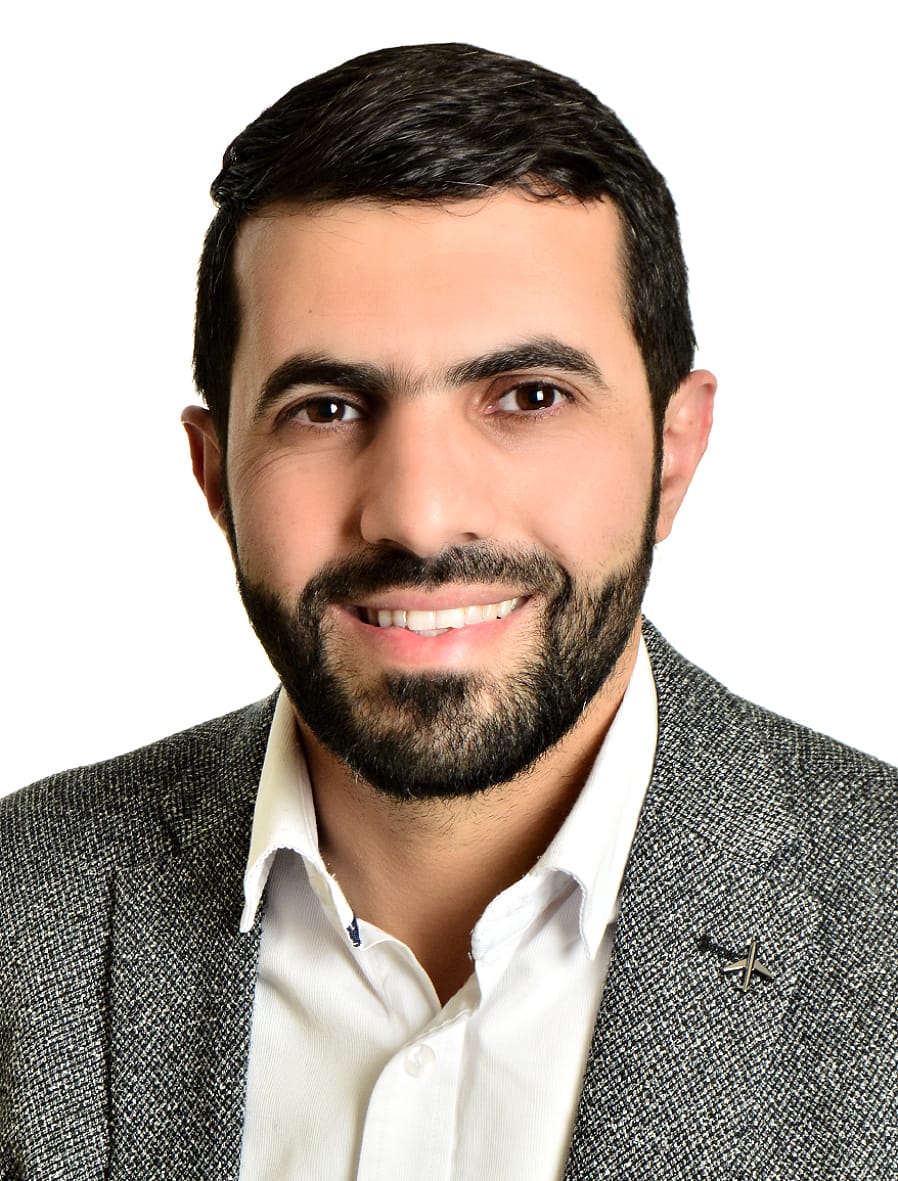
At Melbourne Oral Medicine, Dr. Suhaib Alqudah, a registered Oral Medicine Specialist with a PhD in Oral Lichen Planus, brings extensive experience in diagnosing and managing complex oral and maxillofacial conditions. His expertise, honed through years of clinical practice and research, ensures that every patient receives a thorough, evidence-based assessment. While AI may emerge as a supportive tool in the future, the ultimate responsibility for diagnosis, treatment planning, and patient care remains firmly with the human specialist. This commitment to expert human oversight ensures the highest standard of care, especially when dealing with ambiguous symptoms or challenging cases where AI tools might make mistakes.
Online Oral Medicine Consultations: Expert Care, No Travel
For patients and referring GPs and dentists across Australia, accessing specialist Oral Medicine care is made convenient and efficient through secure video (telehealth) consultations. Melbourne Oral Medicine offers remote assessments for persistent mouth ulcers, TMJ pain, burning mouth, dry mouth, and oral cancer risk. This allows for expert diagnosis and triage – whether it's reassurance, recommending specific blood tests, imaging, a biopsy, or referral to another specialist – all without the need for travel. This model ensures that Dr. Alqudah's specialist judgment and comprehensive care planning are accessible, providing clarity and confidence in managing complex oral health concerns.
Photo: https://kaboompics.com/ / Pexels
Ultimately, in healthcare, the responsibility for patient outcomes rests with the qualified human practitioner. AI is a powerful assistant, but it is the specialist's knowledge, experience, and ethical judgment that guide its use and interpret its output. For any persistent or worrying oral or facial symptoms, seeking the expertise of a specialist is crucial for accurate diagnosis and effective management.
Source: “Who is responsible when your AI tools make mistakes?” (Dentistry.co.uk, 2026)
FAQ
Can AI diagnose my mouth condition?
While AI tools can assist in processing information and identifying patterns, they cannot provide a definitive diagnosis for complex oral conditions. A human Oral Medicine Specialist must interpret all findings, including any AI-generated insights, alongside a comprehensive clinical assessment to arrive at an accurate diagnosis.
How does an Oral Medicine Specialist use technology?
An Oral Medicine Specialist uses various technologies as tools to enhance patient care. This includes secure telehealth platforms for remote consultations, allowing for visual assessment and detailed discussion. They also interpret advanced imaging, laboratory results, and potentially, in the future, AI-assisted analysis, always applying their expert clinical judgment to ensure a precise diagnosis and tailored treatment plan.
What if I'm worried about a complex oral issue?
If you are experiencing persistent mouth ulcers, chronic facial pain, burning sensations, dry mouth, or any other worrying oral or facial symptoms, it is always best to seek specialist advice. An online Oral Medicine consultation with Dr. Suhaib Alqudah can provide a comprehensive assessment, clarify your condition, and guide you towards appropriate investigations or management strategies, ensuring you receive expert care.
If you are experiencing persistent or concerning oral and facial symptoms, we encourage you to get in touch or book an online consultation with Dr. Suhaib Alqudah at Melbourne Oral Medicine. We are here to provide expert, reassuring, and evidence-based care.


Add Comment