When Your Mouth Feels Wrong: Spotting Early Signs of Oral Health Changes.
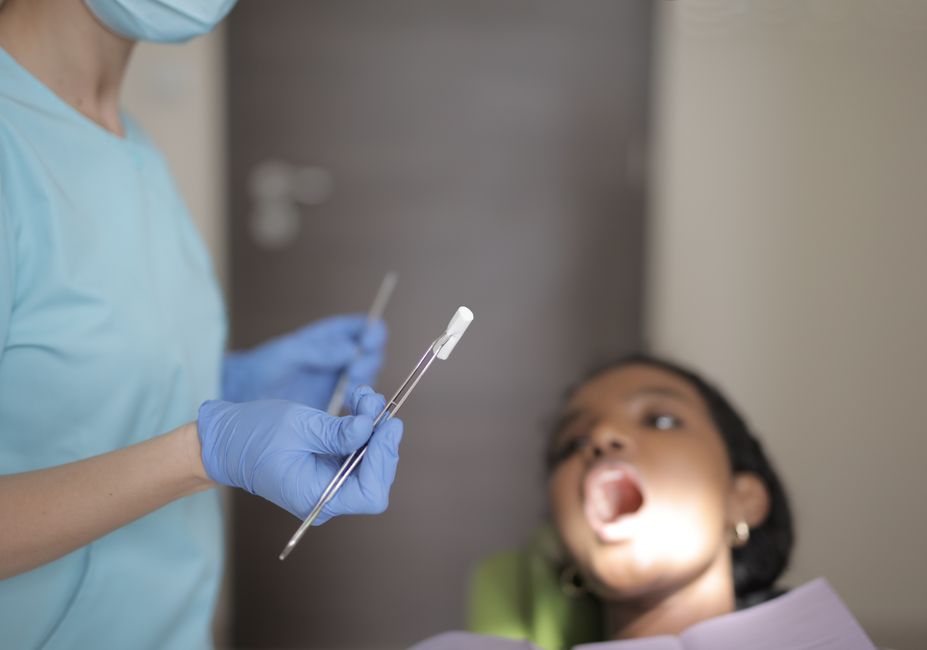
Photo: Andrea Piacquadio / Pexels
Your mouth is a complex and sensitive part of your body, and when it starts to feel ‘off’, it’s completely understandable to feel concerned. Whether it’s persistent discomfort, unusual patches, or changes in taste, these signals can sometimes indicate underlying oral health issues that need attention. At Melbourne Oral Medicine, we understand how unsettling these experiences can be, which is why our specialist team—led by Dr Suhaib Alqudah—is here to help you understand what’s happening and what steps to take next.
Dr Alqudah, a registered Oral Medicine Specialist with a PhD in Oral Lichen Planus from the University of Melbourne, has spent years diagnosing and managing complex oral and facial conditions. His background includes roles at the Royal Dental Hospital of Melbourne and the Peter MacCallum Cancer Centre, where he gained expertise in identifying early signs of oral health changes—often before they become more serious. If you’re experiencing persistent symptoms, a telehealth consultation with our team can provide clarity, reassurance, and a clear path forward, all from the comfort of your home.
What Are Early Signs Your Mouth Is Sending You?
Your mouth communicates with you in subtle and not-so-subtle ways. Early signs that something may be amiss can include:
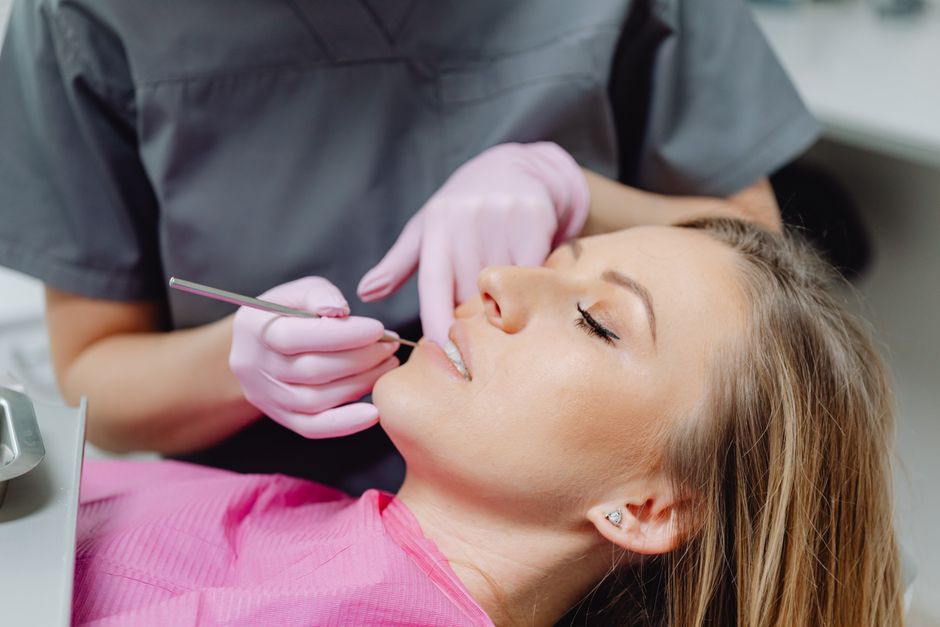
Photo: https://kaboompics.com/ / Pexels
Persistent mouth ulcers or sores that don’t heal within two weeks, especially if they’re painful, recurrent, or growing in size.
Unusual patches or lesions on the lips, gums, tongue, or inside the cheeks—these might be red, white, or even velvety in texture.
Chronic pain or discomfort in the jaw, mouth, or face, particularly if it’s worsening or interfering with eating, speaking, or sleeping.
Changes in taste or sensation, such as a burning mouth, altered taste, or numbness that doesn’t go away.
Dry mouth or excessive saliva, which can sometimes signal an underlying issue with your salivary glands.
While many of these symptoms can have harmless causes—like stress or dietary triggers—some may require further investigation to rule out conditions like oral lichen planus, infections, autoimmune disorders, or even precancerous changes. The key is to pay attention to how your symptoms evolve and whether they persist beyond a few days.
When Should You Seek Help?
Not all mouth changes require urgent attention, but there are red flags that warrant a closer look. These include:
Symptoms that last longer than two weeks, particularly if they’re painful or worsening.
Unusual patches that bleed easily, don’t heal, or keep returning.
Difficulty opening your mouth, chewing, or swallowing due to jaw or facial pain.
Unexplained weight loss, fatigue, or other systemic symptoms alongside oral changes—these could indicate a broader health issue.
Changes in the appearance of existing lesions or the development of new ones, especially if they resemble white patches (leukoplakia) or red patches (erythroplakia), which may require a biopsy for further assessment.
If you’re experiencing any of these, it’s important to act promptly. Early diagnosis can make a significant difference in managing conditions effectively and preventing them from progressing. At Melbourne Oral Medicine, our telehealth consultations allow you to discuss your concerns with Dr Alqudah and our team without the need for travel, ensuring you receive expert advice in a timely manner.
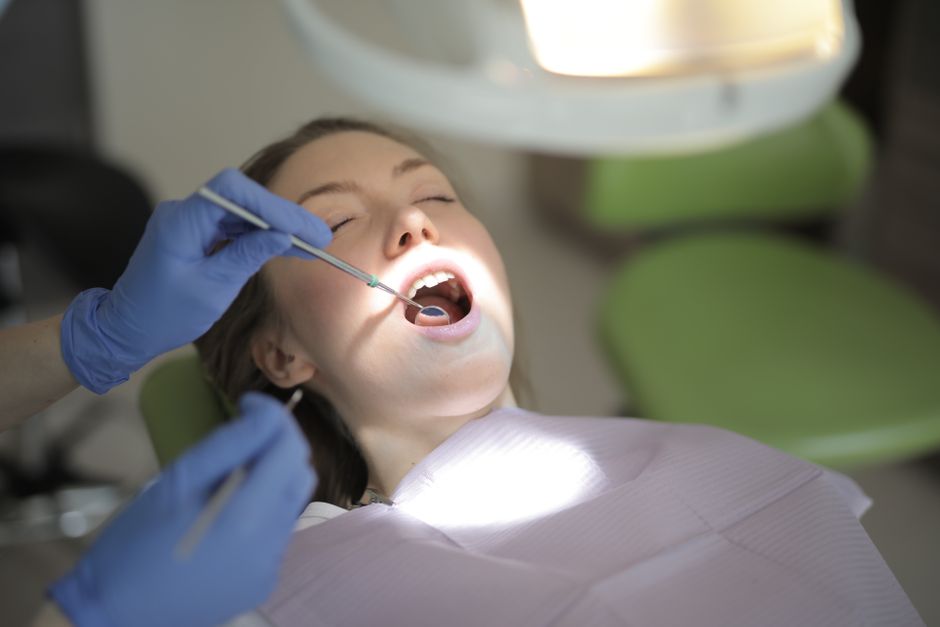
Photo: Andrea Piacquadio / Pexels
How a Telehealth Consultation Can Help
Our secure, Australia-wide telehealth consultations are designed to provide you with a thorough assessment, even from home. During your consultation, Dr Alqudah will:
Review your symptoms in detail, including how long they’ve been present and any factors that worsen or improve them.
Examine any visible changes using high-quality images or video you can share during the call.
Discuss potential causes, ranging from inflammatory conditions like oral lichen planus to infections, nutritional deficiencies, or systemic diseases.
Recommend next steps, which may include:
Further testing, such as blood tests or salivary gland function tests.
Specialist imaging, like MRI or CT scans, if jaw or facial pain is suspected.
A biopsy of any suspicious patches to rule out precancerous or cancerous changes.
Referral to another specialist, such as a rheumatologist or endocrinologist, if your symptoms suggest an underlying autoimmune or hormonal condition.
One of the biggest advantages of telehealth is the ability to avoid unnecessary travel while still receiving expert care. This is particularly valuable for patients in regional or remote areas of Australia, ensuring you get the support you need without delays.
What Conditions Can Be Identified Early?
Our team specialises in diagnosing a range of oral and facial conditions, many of which can be effectively managed when identified early. These include:
Oral Lichen Planus: A chronic inflammatory condition that often presents as lacy white patches or red, sore areas in the mouth. Early diagnosis can help manage symptoms and prevent complications.
Oral Cancer: Precancerous changes like leukoplakia or erythroplakia, or early-stage oral cancer, can sometimes be detected through a biopsy or close monitoring of suspicious patches.
Temporomandibular Joint (TMJ) Disorders: Chronic jaw pain, clicking, or difficulty opening your mouth may indicate TMJ dysfunction, which can be assessed remotely with detailed symptom analysis.
Salivary Gland Disorders: Conditions like Sjogren’s syndrome or salivary gland stones can cause dry mouth, swelling, or pain, and may require specialist evaluation.
Burning Mouth Syndrome: A condition characterised by a persistent burning sensation with no obvious cause, which can significantly impact quality of life but is manageable with the right treatment.
Dr Alqudah’s expertise in these areas ensures that you receive accurate, evidence-based advice tailored to your specific situation. Whether your symptoms are mild or concerning, our goal is to provide clarity and a clear plan for moving forward.
If you’ve been noticing changes in your mouth and aren’t sure what they mean, don’t wait for them to resolve on their own. Our team is here to help you understand what’s happening and take the next steps towards better oral health. Book a secure, Australia-wide telehealth consultation today—because when your mouth feels wrong, you deserve answers you can trust.



Add Comment