When Should You Replace Your Dental Handpiece? A Patient’s Guide.
Photo: https://kaboompics.com/ / Pexels
Your dental handpiece is a critical tool in maintaining oral health, but like any piece of equipment, it requires regular care and attention. Over time, wear and tear can compromise its performance, potentially affecting the safety and effectiveness of your dental treatments. While this topic is often discussed among dental professionals, it’s important for patients to understand how handpiece maintenance—or the need for replacement—can indirectly influence their oral health and comfort during dental visits.
Dr Suhaib Alqudah, a registered Oral Medicine Specialist with extensive experience in complex oral health conditions, emphasises that while handpiece quality is primarily a dental clinic’s responsibility, patients should still be aware of signs that may indicate their dentist’s equipment is due for servicing or replacement. This awareness can help you advocate for the best possible care during your appointments.
What Is a Dental Handpiece, and Why Does It Matter?
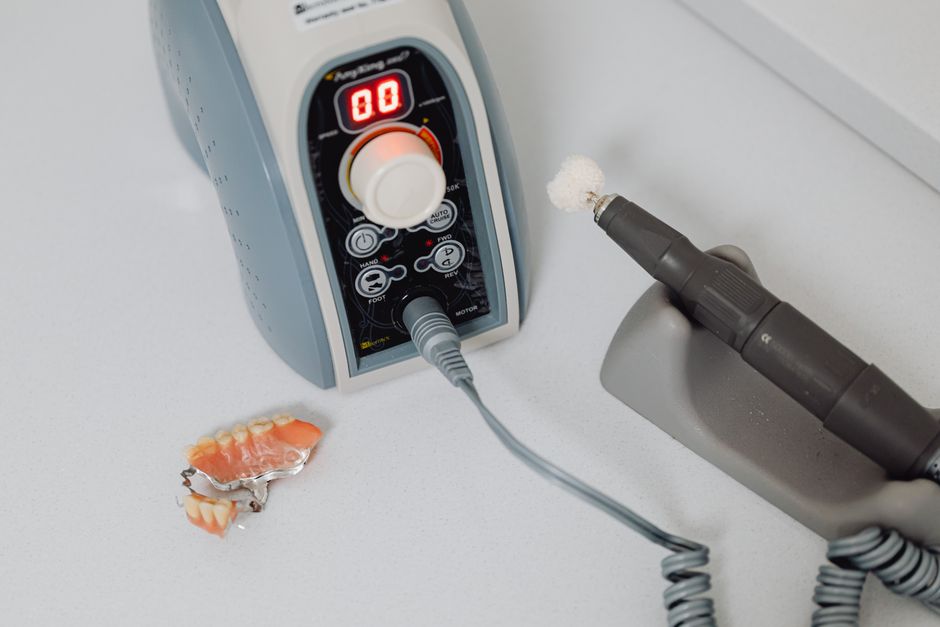
A dental handpiece is a high-speed or low-speed rotary tool used by dentists to drill, polish, or remove decay during procedures like fillings, crowns, or root canals. These devices are precision instruments, and their condition directly impacts the safety and comfort of dental treatments. Over time, handpieces can develop mechanical issues, such as reduced speed, vibration, or even contamination risks, which may lead to prolonged procedures, discomfort, or even damage to your teeth or gums.
While patients typically don’t interact directly with the handpiece, its condition can influence the overall experience of dental care. For example, a poorly maintained handpiece may generate excessive heat or noise, increasing patient anxiety or discomfort. Additionally, if a handpiece is contaminated or malfunctioning, it could introduce unnecessary risks during sensitive procedures, such as those involving oral mucosal tissues or patients with compromised immune systems.
Signs It’s Time to Replace or Repair Your Dental Handpiece
While you won’t have direct access to inspect your dentist’s handpieces, there are subtle clues that may signal they’re due for servicing or replacement. Pay attention to the following indicators during your next appointment:
Unusual noise or vibration: A handpiece should operate smoothly without excessive noise or vibrations. If you notice unusual sounds or feel discomfort during drilling, this could indicate wear or misalignment.
Slower speed or inconsistent performance: If procedures take longer than usual or the dentist seems to struggle with certain tasks, the handpiece may be losing efficiency.
Increased discomfort or heat: Excessive heat or discomfort during treatments could suggest the handpiece isn’t functioning optimally, potentially due to mechanical issues or contamination.
Visible wear or damage: While you won’t see the handpiece itself, if your dentist mentions servicing or replacement, take note—this reflects their commitment to maintaining high standards.
If you experience any of these issues during a procedure, it’s worth asking your dentist about their handpiece maintenance protocols. A reputable practice will prioritise regular servicing and replacement of equipment to ensure patient safety and comfort.
How Handpiece Condition Affects Your Oral Health
A well-maintained handpiece is essential for delivering precise and safe dental treatments. For patients with complex oral health needs—such as those managing chronic conditions like oral lichen planus or burning mouth syndrome—the quality of dental instruments can make a significant difference. For instance, patients with sensitive oral mucosa may experience heightened discomfort if a handpiece isn’t functioning correctly, potentially leading to avoidance of necessary treatments.
Additionally, handpieces used in procedures involving oral mucosal tissues, such as biopsies or treatments for conditions like xerostomia (dry mouth), must be sterile and free from contamination. A compromised handpiece could introduce risks, particularly for individuals with weakened immune systems or those undergoing cancer treatment. Always trust your dentist’s expertise in maintaining their equipment, but don’t hesitate to ask questions if you have concerns.
When to Seek Help for Oral Health Issues Beyond Handpiece Care
While handpiece maintenance is important, it’s not the sole factor in managing oral health concerns. If you’re experiencing persistent symptoms—such as persistent mouth ulcers, dry mouth, altered taste, or facial pain—it’s crucial to seek specialised care. Dr Alqudah, with his background in Oral Medicine, specialises in diagnosing and managing complex oral conditions that may not be immediately obvious. Conditions like oral lichen planus, burning mouth syndrome, or temporomandibular joint disorders (TMD) often require a detailed assessment to rule out underlying causes.
Our secure video consultations allow you to discuss your symptoms with Dr Alqudah from the comfort of your home, avoiding unnecessary travel. During your consultation, he may recommend:
Further clinical examination or imaging to assess oral tissues and structures.
Blood tests to investigate potential systemic causes, such as nutritional deficiencies or autoimmune conditions.
Biopsies for suspicious oral lesions or patches to rule out conditions like oral cancer.
Referral to other specialists, such as an ENT or neurologist, if your symptoms suggest a broader underlying issue.
By addressing your concerns through a structured, evidence-based approach, we help ensure you receive the right care without unnecessary delays or stress.
Question? How do I know if my dentist is using high-quality handpieces?
While you can’t inspect the handpieces yourself, you can ask your dentist about their maintenance protocols. Reputable practices follow strict guidelines for servicing and replacing handpieces to ensure patient safety. If you’re unsure, don’t hesitate to ask—transparency in dental care is always a good sign.
Question? Can a poorly maintained handpiece cause long-term damage?
A poorly maintained handpiece can lead to discomfort during procedures and may increase the risk of complications, such as infection or tissue damage. However, most reputable dentists prioritise equipment maintenance to minimise these risks. If you have concerns, discussing them with your dentist can provide reassurance.
Question? How can I advocate for better dental care during my appointments?
You can advocate for your care by asking questions about the tools and techniques your dentist uses. For example, you might ask about handpiece servicing schedules or how they ensure sterility. Open communication ensures you receive the highest standard of care tailored to your needs.




Add Comment