Understanding Oral Lichen Planus: Specialist Care for Mouth Lesions.
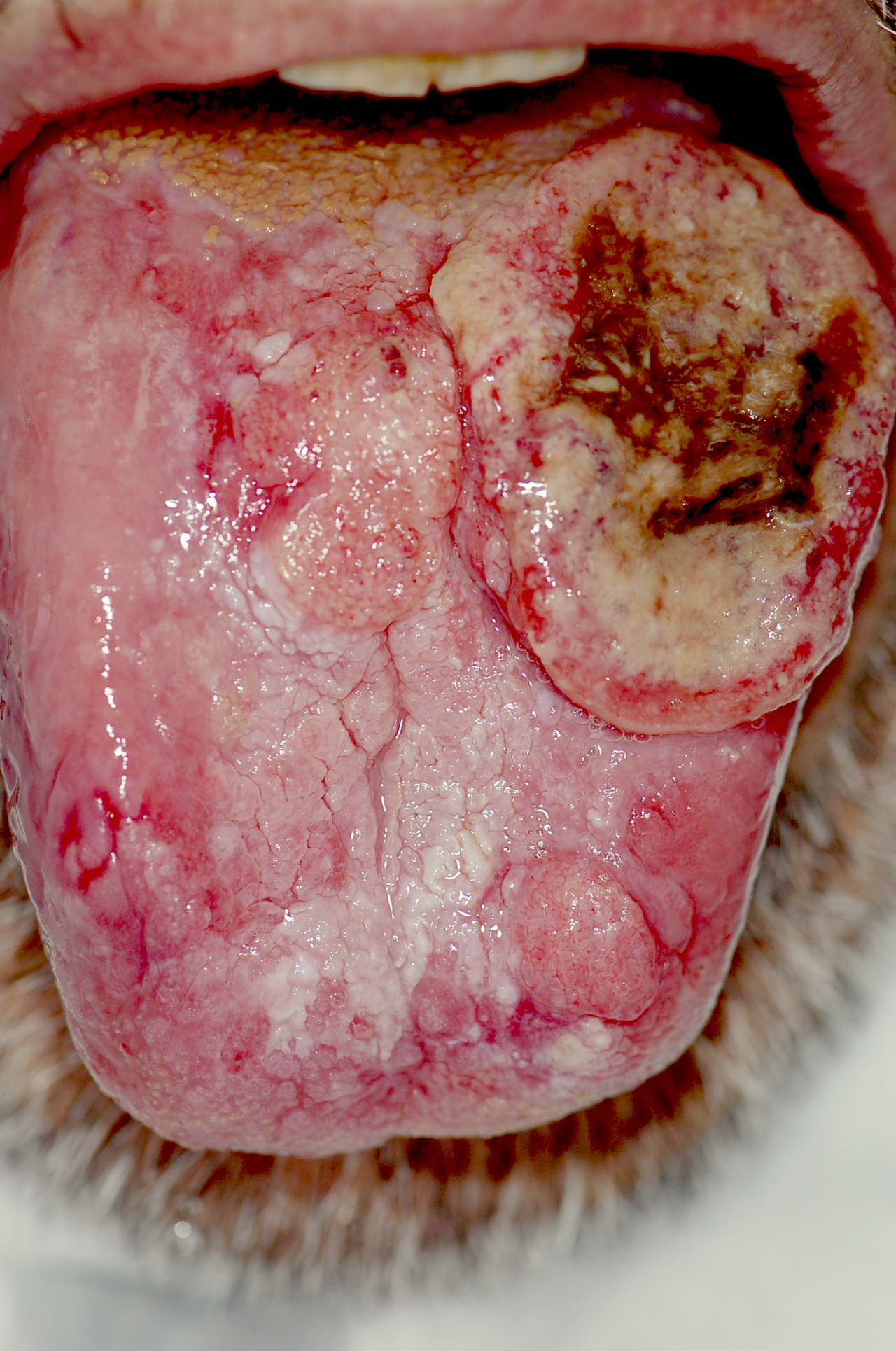
Image: Luca Pastore, Maria Luisa Fiorella, Raffaele Fiorella, Loren... · CC BY 2.5 · Wikimedia Commons
Persistent or unusual changes in your mouth can be a source of significant worry. Among the many conditions that can affect the oral lining, Oral Lichen Planus (OLP) is a chronic inflammatory condition that warrants specialist attention. At Melbourne Oral Medicine and Facial Pain Centre, Dr. Suhaib Alqudah, a registered Oral Medicine Specialist with a PhD in Oral Lichen Planus from the University of Melbourne, provides expert online assessments for patients across Australia, offering clarity and comprehensive care for this complex condition.
What is Oral Lichen Planus?
Oral Lichen Planus is a chronic inflammatory mucocutaneous disease that primarily affects the mucous membranes inside the mouth, though it can also involve the skin, hair, and nails. It is characterised by an abnormal immune response that targets the cells of the oral lining. While the exact cause is not fully understood, it is believed to involve a combination of genetic predisposition and environmental triggers. OLP is not contagious and is not considered an infection. It can present in various forms, from mild, asymptomatic white patches to painful erosions and ulcers, making accurate diagnosis crucial. (Journal of the Formosan Medical Association · 2018; American journal of clinical dermatology · 2024)
Recognising the Symptoms and Appearance
The clinical presentation of Oral Lichen Planus can vary significantly. The most common form, known as reticular OLP, appears as white, lace-like patterns (Wickham's striae) on the inside of the cheeks, gums, or tongue. These lesions are often symmetrical and may be asymptomatic. Other forms include papular (small, raised dots) and plaque-like lesions, which are also typically white. However, more symptomatic forms include atrophic OLP, which presents as red, inflamed patches, and erosive or ulcerative OLP, characterised by painful open sores or ulcers. Patients with atrophic or erosive OLP commonly experience burning sensations, pain, and increased sensitivity to hot, spicy, or acidic foods. (Journal of the Formosan Medical Association · 2018; American journal of clinical dermatology · 2024)
When to Seek Specialist Oral Medicine Help
Any persistent change in the oral mucosa, especially if accompanied by pain, burning, or difficulty eating, should prompt a specialist consultation. While many forms of OLP are benign, the erosive and atrophic types are considered to have a small potential for malignant transformation, meaning they require careful monitoring. Red flags include lesions that are growing, changing in appearance, bleeding, or not responding to initial treatments. Given the varied presentation of OLP, and the need to differentiate it from other conditions such as oral candidiasis, lupus erythematosus, leukoplakia, or contact allergic reactions, an accurate diagnosis by an Oral Medicine Specialist is essential. (Journal of the Formosan Medical Association · 2018; American journal of clinical dermatology · 2024)
How an Online Oral Medicine Consultation Can Help
Melbourne Oral Medicine and Facial Pain Centre offers secure video (telehealth) consultations, providing specialist assessment for Oral Lichen Planus and other complex oral conditions, no matter where you are in Australia. During your remote assessment, Dr. Alqudah will conduct a thorough review of your medical history and symptoms, and carefully examine high-quality images or videos of your oral lesions. This online approach allows for expert triage and diagnosis without the need for travel. Based on the assessment, Dr. Alqudah can provide reassurance, recommend necessary blood tests or imaging, facilitate a biopsy if required (often arranged locally), or coordinate referrals to other specialists. This streamlined process ensures you receive the highest level of specialist care and a comprehensive management plan tailored to your specific needs.
If you or your patient are experiencing persistent oral lesions or symptoms suggestive of Oral Lichen Planus, gaining a specialist opinion is a vital step towards effective management and peace of mind. Dr. Alqudah's extensive expertise, particularly his PhD research in Oral Lichen Planus, ensures you are in highly capable hands. We are dedicated to providing accessible, evidence-based care to patients and supporting referring GPs and dentists across the country.
Frequently Asked Questions About Oral Lichen Planus
Is Oral Lichen Planus curable?
Currently, there is no known cure for Oral Lichen Planus. Management focuses on controlling symptoms, reducing inflammation, and monitoring the lesions. For asymptomatic reticular forms, often no treatment is needed beyond regular monitoring. For symptomatic atrophic or erosive forms, topical or systemic medications may be prescribed to alleviate pain and discomfort. (Journal of the Formosan Medical Association · 2018; American journal of clinical dermatology · 2024)
Can Oral Lichen Planus turn into cancer?
While the risk is considered low, certain forms of Oral Lichen Planus, particularly the erosive and atrophic types, are recognised as potentially malignant disorders. This means they require careful, long-term monitoring by a specialist to detect any suspicious changes early. Regular follow-ups are crucial for patients with these forms of OLP. (Journal of the Formosan Medical Association · 2018; American journal of clinical dermatology · 2024)




Add Comment