Understanding Oral Lichen Planus: Specialist Care Australia-Wide.
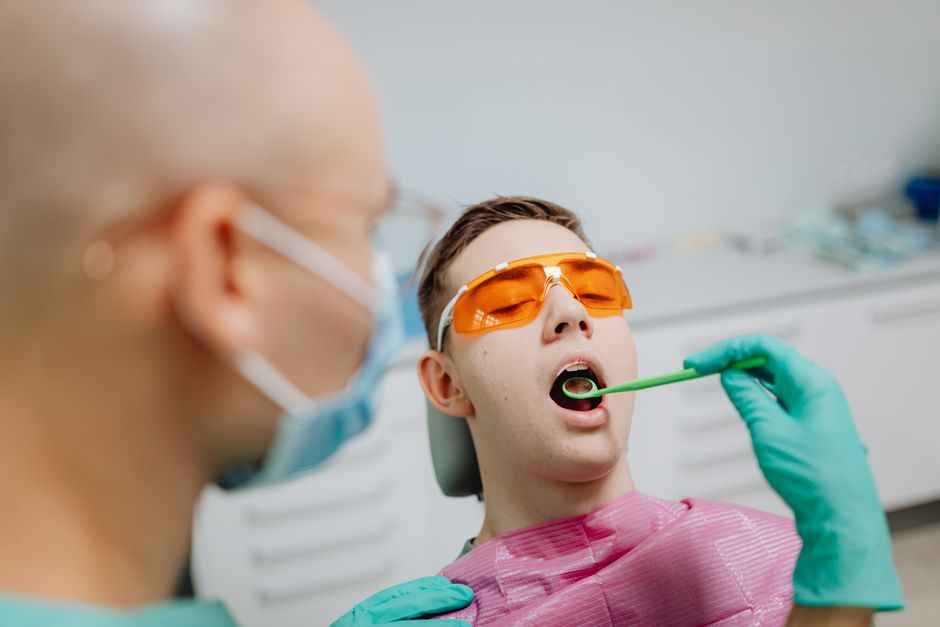
Photo: https://kaboompics.com/ / Pexels
At Melbourne Oral Medicine and Facial Pain Centre, we understand the concern that comes with persistent or unusual changes in your mouth. One such condition, Oral Lichen Planus (OLP), is a chronic inflammatory condition that can affect the lining of your mouth. As a specialist Oral Medicine clinic, led by Dr. Suhaib Alqudah — whose expertise includes a PhD in Oral Lichen Planus from the University of Melbourne — we offer expert online assessments for patients and referrals from GPs and dentists across Australia.
What is Oral Lichen Planus?
Oral Lichen Planus is an immune-mediated condition, meaning it involves the body's immune system mistakenly attacking cells in the mouth lining. It is not contagious and is not a form of cancer, though some types require careful monitoring. OLP can manifest in various ways, often appearing as white, lacy patterns (reticular OLP), red, swollen tissues (erythematous OLP), or open sores and ulcers (erosive OLP) on the cheeks, gums, tongue, or lips. While the exact cause is not fully understood, it is believed to involve a combination of genetic predisposition and environmental triggers. (Oral Lichen Planus: An Update on Diagnosis and Management · 2024).
Recognising Symptoms and When to Seek Help
The symptoms of Oral Lichen Planus can vary significantly among individuals. Some people may experience no discomfort at all, even with visible lesions, while others may suffer from considerable pain, burning, or sensitivity to hot, spicy, or acidic foods. Common signs include:
White, lace-like patterns on the inside of the cheeks or on the tongue.
Red, swollen, and tender gums.
Painful, open sores or ulcers that may bleed.
Burning sensation in the mouth, especially when eating.
Sensitivity to certain foods or drinks.
It is important to seek specialist evaluation if you experience any persistent mouth lesions, pain, or discomfort that doesn't resolve within a few weeks. Red flags that warrant prompt attention include lesions that are growing, changing in appearance, or causing significant difficulty with eating or speaking. While OLP is generally benign, certain forms, particularly erosive OLP, may carry a small risk of malignant transformation and require regular monitoring (Oral lichen planus - Differential diagnoses, serum autoantibodies, hematinic deficiencies, and management · 2018).
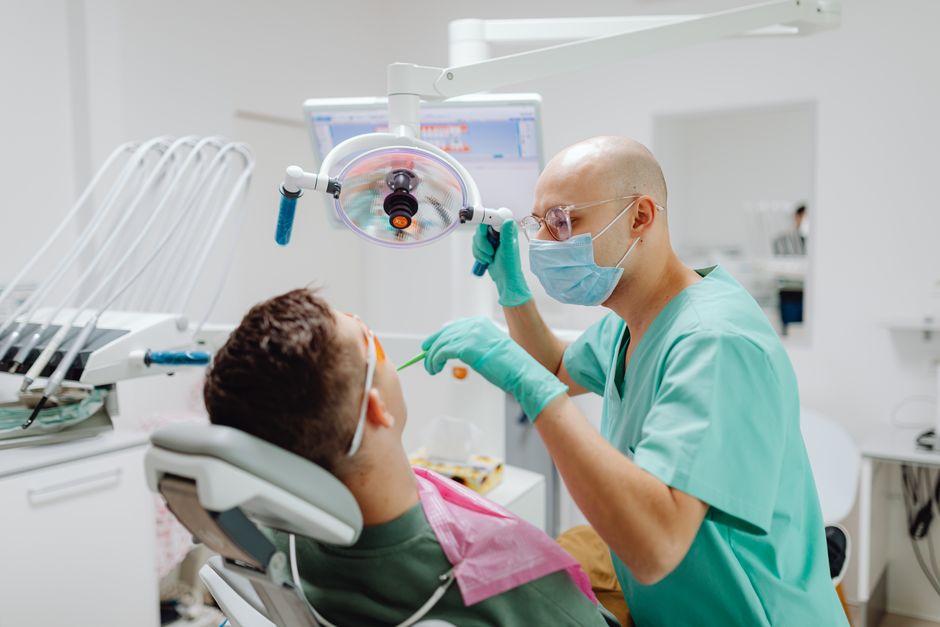
Photo: https://kaboompics.com/ / Pexels
Specialist Diagnosis and Management of Oral Lichen Planus
Accurate diagnosis of Oral Lichen Planus is crucial. Dr. Suhaib Alqudah, with his extensive background including specialist practice at the Royal Dental Hospital of Melbourne and the Peter MacCallum Cancer Centre, is highly skilled in differentiating OLP from other oral mucosal diseases. Diagnosis typically involves a thorough clinical examination, often supported by a biopsy of the affected tissue to confirm the diagnosis and rule out other conditions. Blood tests may also be recommended to check for associated systemic conditions or nutritional deficiencies (Oral lichen planus - Differential diagnoses, serum autoantibodies, hematinic deficiencies, and management · 2018).
Once diagnosed, management of OLP focuses on alleviating symptoms and monitoring for any changes. Treatment options vary depending on the severity of symptoms and the type of OLP, and may include topical corticosteroids, pain management strategies, and lifestyle adjustments. Dr. Alqudah provides individualised care plans designed to manage your condition effectively.
The Convenience of Telehealth for Oral Lichen Planus
Melbourne Oral Medicine offers secure video (telehealth) consultations, allowing specialist assessment for Oral Lichen Planus from anywhere in Australia. This eliminates the need for travel, making expert care accessible, especially for those in regional or remote areas. During your online consultation, Dr. Alqudah can assess your symptoms, review any submitted images or previous test results, and provide a provisional diagnosis and a clear triage plan. This might involve:
Reassurance: Confirming a benign condition and providing a management strategy.
Recommendations for further tests: Such as blood tests or imaging, which can often be arranged locally.
Biopsy referral: If a biopsy is necessary, we can guide you on how to arrange this with a local practitioner.
Referrals: To other specialists if a systemic link is suspected.
This streamlined approach ensures you receive timely and accurate specialist care without the logistical burden of in-person visits, ensuring continuity of care and peace of mind.
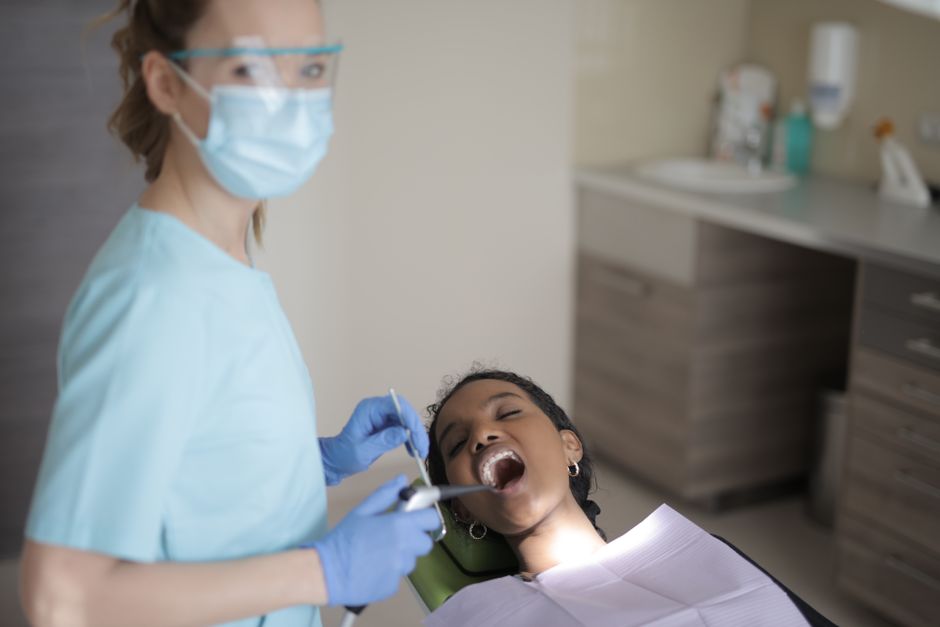
Photo: Andrea Piacquadio / Pexels
Frequently Asked Questions about Oral Lichen Planus
Is Oral Lichen Planus a serious condition?
While OLP is generally benign, it is a chronic condition that requires specialist diagnosis and ongoing management to control symptoms and monitor for rare changes. Erosive forms of OLP, in particular, need regular specialist review.
Can Oral Lichen Planus be cured?
Currently, there is no known cure for Oral Lichen Planus. However, treatments are highly effective in managing symptoms, reducing inflammation, and improving quality of life. Long-term monitoring is often recommended.
What should I avoid if I have Oral Lichen Planus?
Many patients find that avoiding spicy, acidic, crunchy, or very hot foods and beverages can help reduce discomfort. Maintaining good oral hygiene and avoiding irritants like alcohol and tobacco are also generally recommended.
If you are experiencing persistent oral symptoms or have concerns about Oral Lichen Planus, we encourage you to connect with Melbourne Oral Medicine. Dr. Suhaib Alqudah is here to provide expert, compassionate care through convenient online consultations. Book your teleconsultation today to discuss your oral health concerns.



Add Comment