Advanced materials like bioceramics are increasingly used in modern dentistry to restore and repair teeth, aiming for excellent biocompatibility and long-term success. While these materials are generally safe and effective, some individuals may experience persistent or unusual symptoms following dental procedures involving them. Understanding when these symptoms warrant specialist attention is crucial for your oral health. At Melbourne Oral Medicine, Dr. Suhaib Alqudah, a registered Oral Medicine Specialist, provides expert assessment for complex oral and facial conditions, offering secure video (telehealth) consultations Australia-wide.
What are Bioceramics in Dentistry?
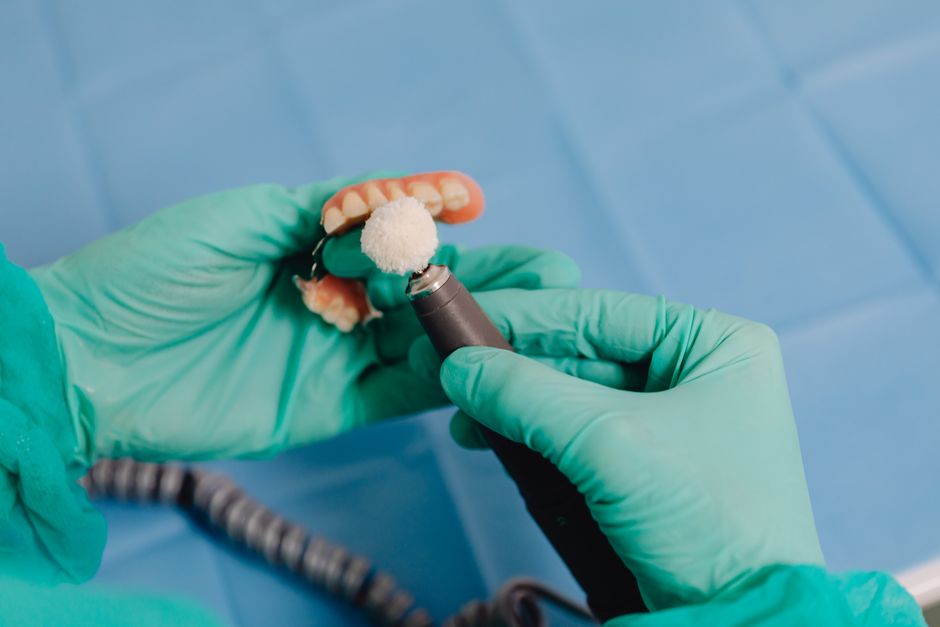
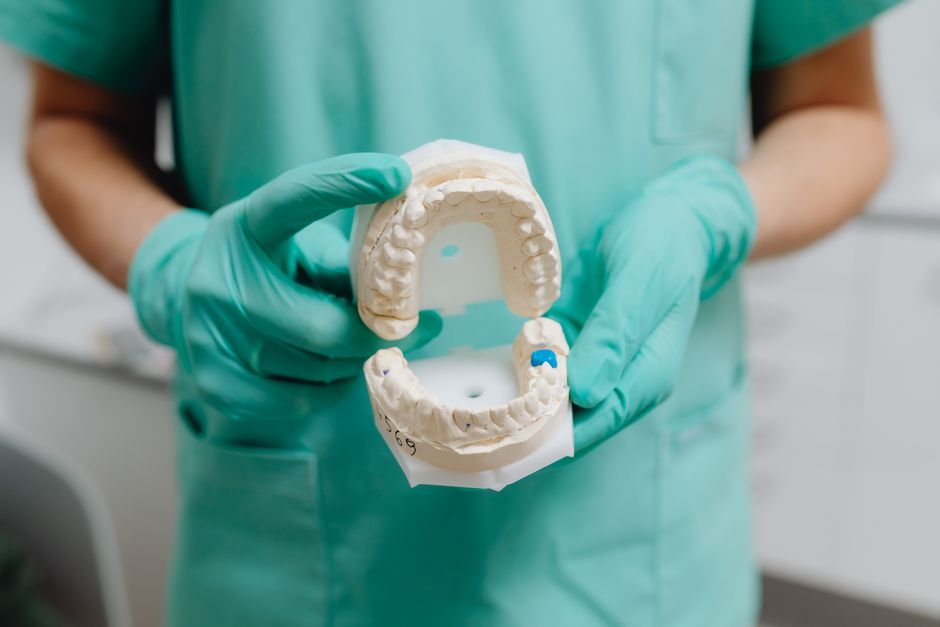
Bioceramics are a class of ceramic materials specifically designed to interact favourably with biological systems. In dentistry, they are valued for their ability to integrate well with natural tissues and promote healing. You might encounter bioceramics in various dental treatments, such as root canal therapy, pulp capping procedures, or even in some restorative fillings and bone grafting materials. Their biocompatible nature is a key advantage, aiming to minimise adverse reactions and support the body's natural healing processes.
When to Consider Specialist Care for Oral Symptoms
While bioceramics are chosen for their safety and effectiveness, any dental procedure or material can, in rare instances, lead to persistent symptoms that go beyond normal healing. If you experience ongoing discomfort or unusual changes in your mouth or face after a dental treatment, it’s important to have it assessed. These symptoms might include persistent pain, unusual lesions or changes in your oral tissues, altered taste, a burning sensation, or even dry mouth. An Oral Medicine Specialist focuses on diagnosing and managing these complex conditions.
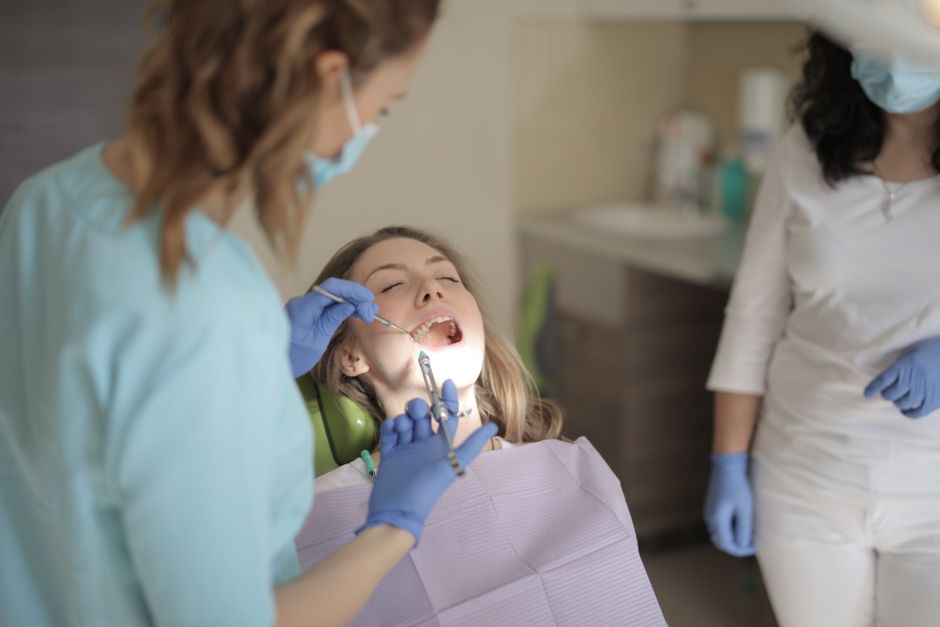
Photo: https://kaboompics.com/ / Pexels
Understanding Potential Symptoms and Red Flags
Persistent pain that doesn't resolve could indicate an underlying issue, potentially related to orofacial pain or temporomandibular disorders (TMDs), which Dr. Alqudah specialises in managing (International journal of molecular sciences · 2022; Dental clinics of North America · 2016). Similarly, unexplained oral lesions or changes in the mouth lining might require investigation for oral mucosal diseases, including conditions like oral lichen planus or other inflammatory reactions (Journal of the Formosan Medical Association · 2018; American journal of clinical dermatology · 2024). Altered taste or a burning sensation could point towards conditions such as Burning Mouth Syndrome (Dermatologic clinics · 2020; Dental clinics of North America · 2023), while persistent dry mouth might signal salivary gland dysfunction (Advances in clinical and experimental medicine · 2016; Oral and maxillofacial surgery clinics of North America · 2022). These are all areas where specialist Oral Medicine expertise is vital.
The Role of Telehealth in Oral Medicine Assessment
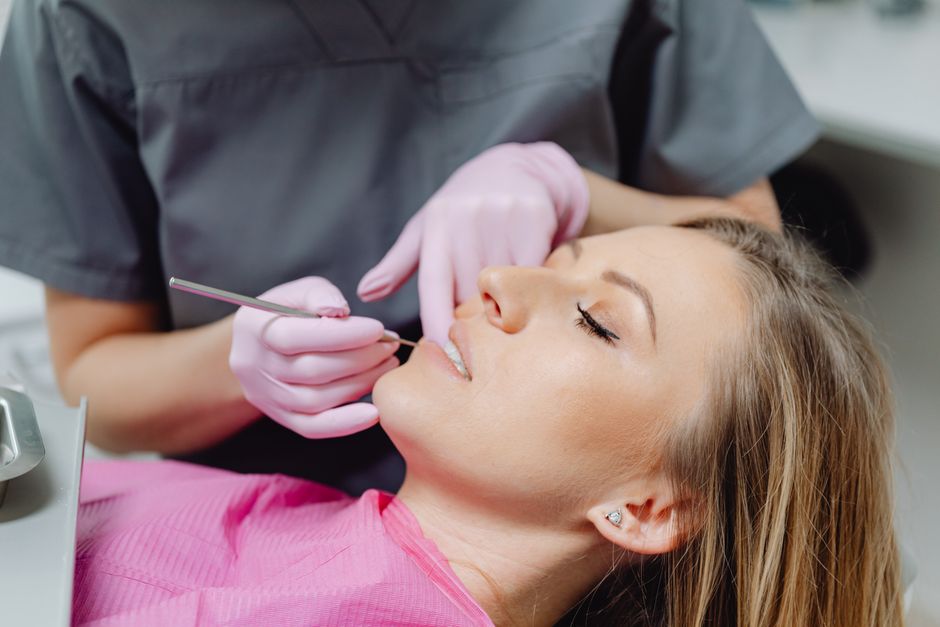
An online Oral Medicine consultation with Dr. Alqudah offers a convenient and effective way to assess these complex symptoms. Through a detailed discussion of your medical history and symptoms, and visual assessment where appropriate, Dr. Alqudah can triage your condition. This remote assessment helps to determine the most appropriate next steps, which may include further investigations such as blood tests, specific imaging, or a biopsy. For patients across Australia, this specialist telehealth service means you can receive expert guidance and a clear care plan without the need for immediate travel, ensuring timely and accurate diagnosis or referral.
If you are experiencing persistent or worrying symptoms following a dental procedure, especially if it involved advanced materials like bioceramics, don't hesitate to seek specialist advice. Early assessment by an Oral Medicine Specialist can provide clarity, reassurance, and a tailored management plan. Dr. Suhaib Alqudah and the team at Melbourne Oral Medicine are dedicated to providing compassionate, evidence-based care for complex oral and facial conditions. We are here to help you navigate your oral health concerns. We encourage you to get in touch or book a consultation if you have any concerns.
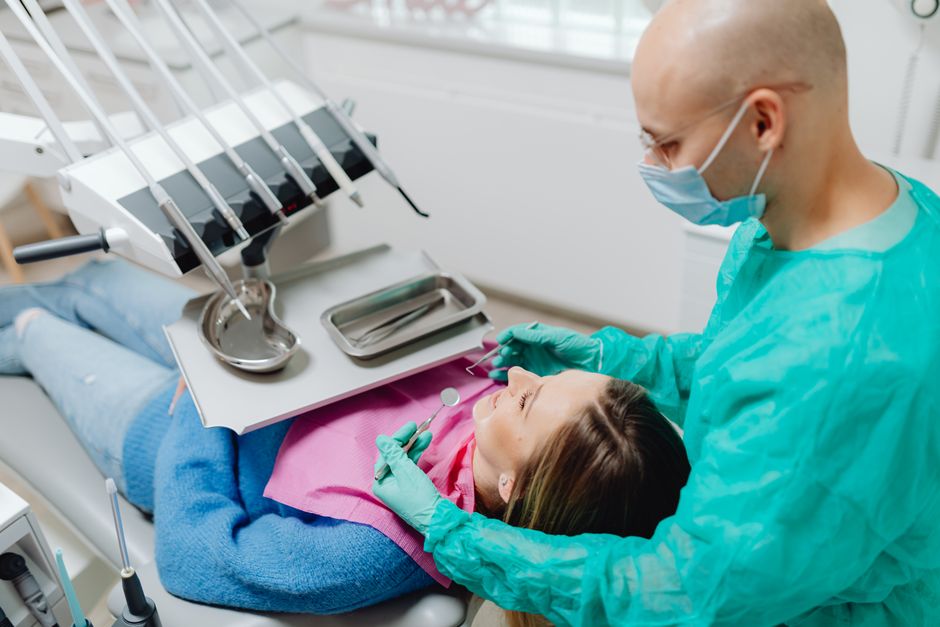
Photo: https://kaboompics.com/ / Pexels
Source: Inspired by "Getting the most from bioceramics: a practical guide for clinicians" (dentistry.co.uk, 2026)
Can bioceramics cause allergies or adverse reactions?
While bioceramics are designed to be highly biocompatible, like any material, a very small percentage of individuals might experience sensitivity or an adverse reaction. If you notice unusual or persistent symptoms such as redness, swelling, or discomfort around a dental restoration, it's important to have it evaluated by a dental professional or an Oral Medicine Specialist.
How long should I wait if I have symptoms after a dental procedure involving bioceramics?
If symptoms like pain, swelling, or altered sensation persist beyond the expected healing time (which your general dentist can advise on), or if new, unexplained symptoms appear, it's advisable to seek prompt evaluation. Early assessment can help identify the cause and ensure timely management, preventing potential complications.
What exactly does an Oral Medicine Specialist do?
An Oral Medicine Specialist, like Dr. Suhaib Alqudah, is an expert in diagnosing and managing complex medical conditions affecting the mouth, jaws, and face. This includes chronic pain, oral lesions, dry mouth, burning sensations, and other oral mucosal diseases. They work closely with general dentists and other medical specialists to provide comprehensive care and often act as a diagnostic hub for challenging cases.

Add Comment