The Hidden Role of Dental Handpieces in Oral Health.
Photo: Tima Miroshnichenko / Pexels
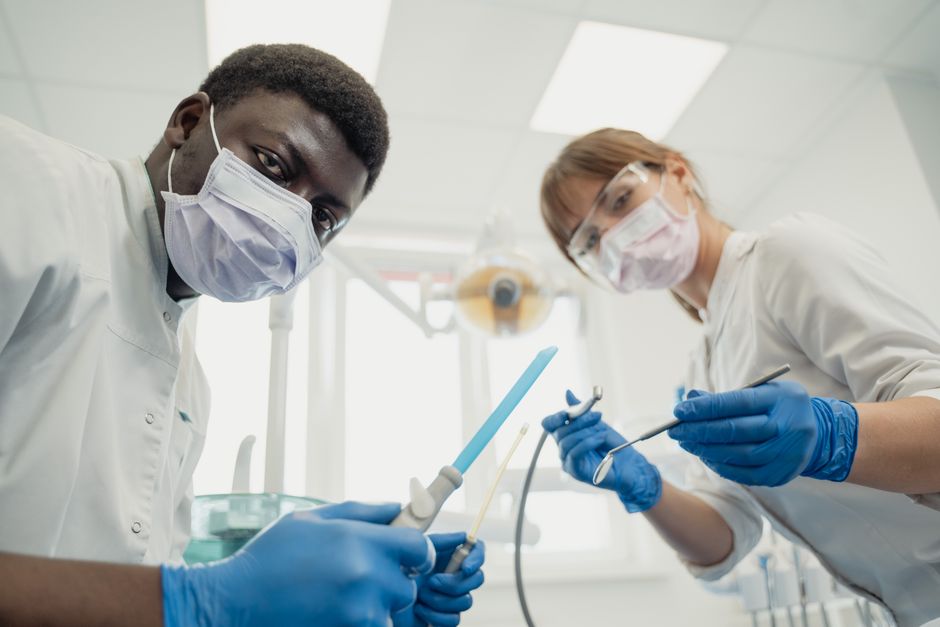
The dental handpiece is a small but mighty tool in modern dentistry—yet its impact on oral health extends far beyond routine cleanings. While often overlooked by patients, these high-speed devices play a critical role in diagnosing and managing complex oral conditions, from persistent ulcers to chronic pain. For those with persistent symptoms, understanding how handpieces are used in specialist oral medicine can ease concerns and clarify when to seek expert care—without unnecessary travel.
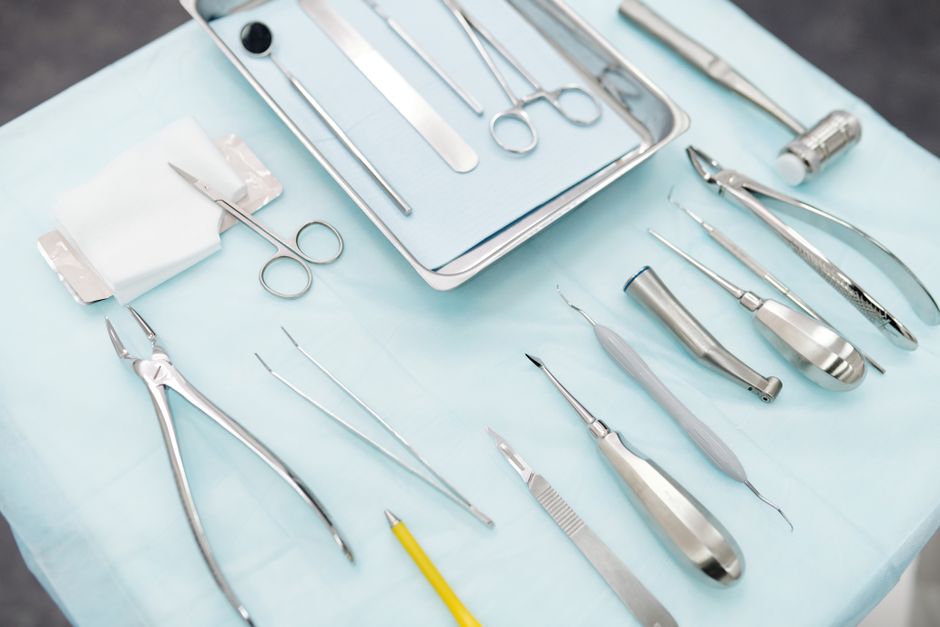
At Melbourne Oral Medicine, we use advanced diagnostic techniques, including careful examination with precision instruments like dental handpieces, to assess oral health conditions remotely. Dr Suhaib Alqudah, our specialist Oral Medicine consultant, leverages these tools—alongside telehealth—to provide accurate triage for conditions such as oral lichen planus, burning mouth syndrome, and temporomandibular joint (TMJ) disorders. Whether you’re experiencing unexplained discomfort or a persistent lesion, knowing how these tools work can help you feel more informed and empowered.
What Is a Dental Handpiece—and How Does It Help?
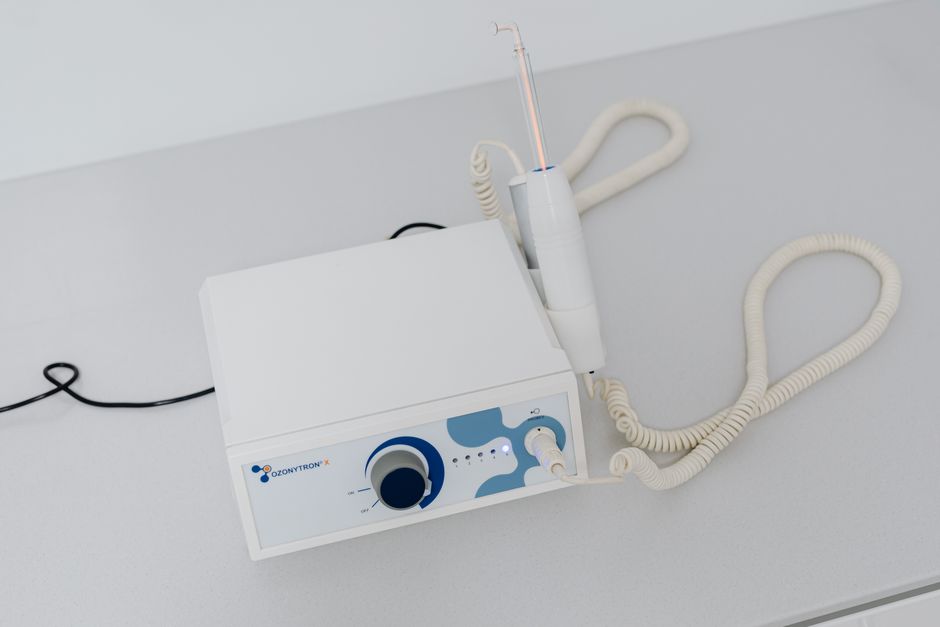
A dental handpiece is a rotary instrument used by dentists and oral medicine specialists to examine, biopsy, or treat oral tissues. Unlike the handpieces used for drilling during fillings or crowns, the ones we use in specialist oral medicine are designed for diagnostic precision. They allow us to access hard-to-reach areas, such as the back of the mouth or under the tongue, to inspect for abnormalities like white patches, ulcers, or areas of inflammation. This close-up examination is crucial for identifying early signs of conditions like oral lichen planus or oral cancer risk factors.
For patients with chronic symptoms—such as persistent dry mouth (xerostomia), altered taste, or unexplained pain—the handpiece enables us to perform targeted assessments. For example, if you’re experiencing burning mouth syndrome, a condition where the mouth feels persistently sore or numb without an obvious cause, the handpiece helps us examine nerve endings and mucosal surfaces for clues. Research highlights that burning mouth syndrome is often linked to sensory dysfunction or underlying systemic conditions, and a thorough examination is key to ruling out treatable causes (Dermatologic Clinics, 2020; Dental Clinics of North America, 2023).
Photo: https://kaboompics.com/ / Pexels
When Might You Need a Handpiece-Assisted Exam?
If you’re experiencing any of the following symptoms, a specialist oral medicine consultation—including handpiece-assisted assessment—may be beneficial:
Persistent mouth ulcers that last longer than two weeks or recur frequently.
White, red, or patchy lesions in the mouth that don’t heal.
Chronic dry mouth (xerostomia) with symptoms like difficulty swallowing or a constant dry, sticky feeling.
Unusual sensations such as burning, tingling, or altered taste.
Jaw pain, clicking, or difficulty opening your mouth (potential TMJ disorder).
While many of these symptoms can be managed by your general dentist, some—like oral lichen planus or burning mouth syndrome—require specialist input. A remote assessment with Dr Alqudah allows us to guide you on whether a handpiece-assisted exam (or biopsy) is needed in person, or if further tests—such as blood work or imaging—can be arranged locally.
How Telehealth and Handpiece Assessments Work Together
At Melbourne Oral Medicine, we combine telehealth with specialist knowledge to streamline your care. During your online consultation, you’ll share details about your symptoms, medical history, and any visual changes in your mouth. If we suspect a condition like oral lichen planus—which often presents as lacy white patches or erosive lesions—or a potential nerve-related issue (such as trigeminal neuralgia), we may recommend a handpiece-assisted biopsy or further imaging. This ensures you avoid unnecessary travel while still receiving expert-level care.
For example, if you’re experiencing xerostomia (dry mouth), a condition linked to medications, autoimmune diseases, or salivary gland dysfunction, we can use the handpiece to assess glandular swelling or mucosal changes. Studies show that untreated xerostomia can lead to secondary infections or nutritional deficiencies, so early diagnosis is critical (Advances in Clinical and Experimental Medicine, 2016). Our remote triage helps determine whether your symptoms require local management (e.g., saliva substitutes) or specialist intervention.
Photo: Cedric Fauntleroy / Pexels
Red Flags: When to Seek Specialist Advice
While minor mouth irritations are common, certain symptoms warrant prompt attention from an oral medicine specialist:
Lesions that do not heal within two weeks or continue to grow.
Severe pain, especially if it’s worsening or interfering with eating/sleeping.
Difficulty moving your jaw or persistent clicking sounds (possible TMJ disorder).
Unintentional weight loss or fatigue alongside oral symptoms (could indicate systemic causes).
If you’re unsure whether your symptoms require specialist care, our online triage service is designed to provide clarity. Dr Alqudah will guide you on whether a handpiece-assisted exam (or other diagnostic steps) is needed, ensuring you receive the right level of care—without delay.
FAQ
Is a handpiece exam painful?
Not typically. Handpieces used in diagnostic assessments are gentle and designed to minimise discomfort. If you’re concerned about sensitivity, our team will discuss numbing options or alternative approaches during your consultation.
Can I get a biopsy done remotely?
While we can’t perform biopsies during telehealth, we can guide you on whether a biopsy is needed and help arrange it locally with your dentist or GP. Our remote assessment ensures you’re directed to the right next steps efficiently.
What if my symptoms don’t improve after treatment?
If your symptoms persist or worsen, we encourage you to follow up with us. Chronic oral conditions often require ongoing management, and our specialist team is here to support you with personalised care plans.
If you’re experiencing persistent oral symptoms and want expert guidance—without the need for an in-person visit—book a secure telehealth consultation with Melbourne Oral Medicine today. Our team is here to help you understand your symptoms, explore treatment options, and connect you with the right care.




Add Comment