The Future of Oral Medicine: Understanding AI's Role in Your Care.
Photo: Tim Witzdam / Pexels
The landscape of healthcare is continually evolving, with technological advancements offering new possibilities for diagnosis and treatment. Among these, artificial intelligence (AI) stands out as a transformative force. At Melbourne Oral Medicine, we closely follow developments in this field, understanding the potential impact of artificial intelligence in oral medicine, as highlighted by recent discussions on its current status, evidence maturity, and translational readiness.
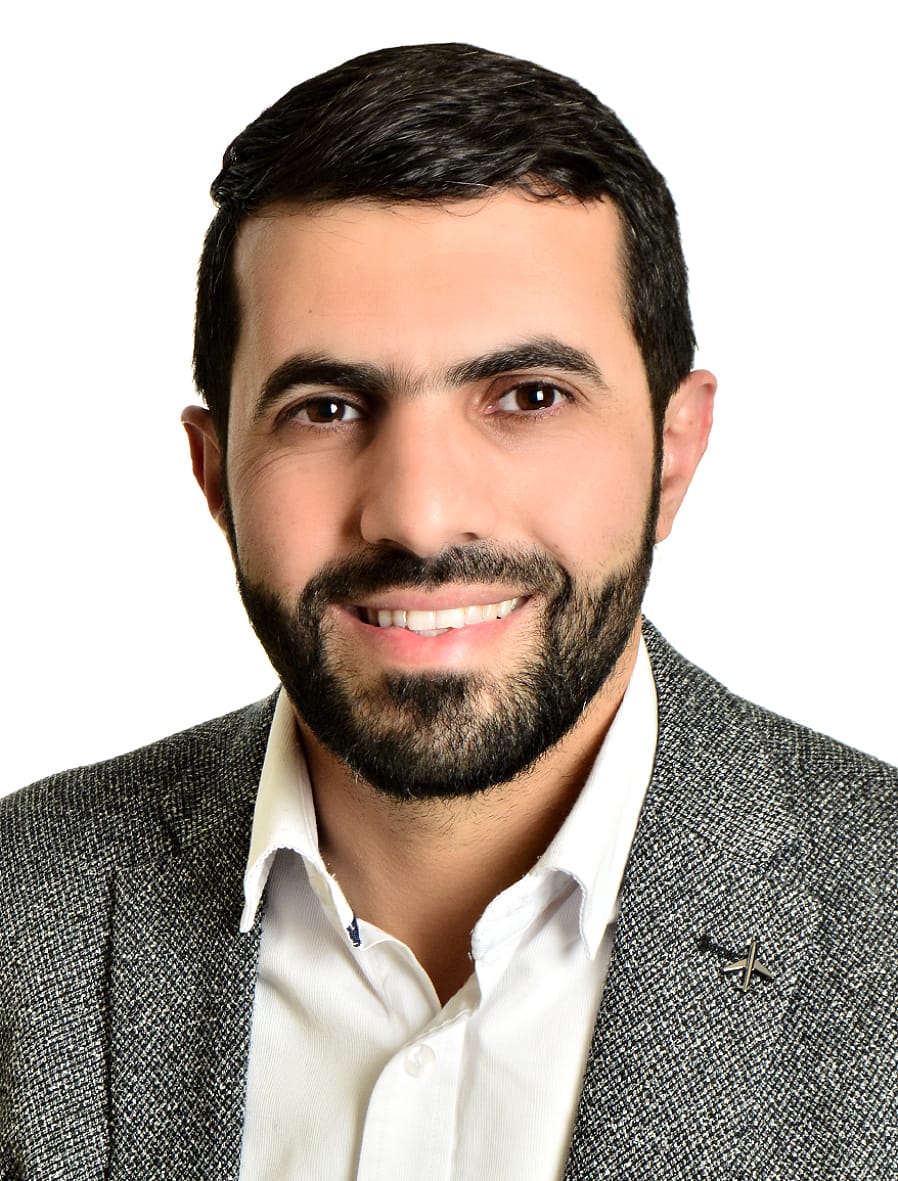
For patients and referring practitioners across Australia, it's natural to wonder what AI means for oral health. While still an emerging field in many clinical applications, AI holds promise as a tool to support specialists in delivering even more precise and efficient care. Dr. Suhaib Alqudah, a registered Oral Medicine Specialist with extensive experience from institutions like the Royal Dental Hospital of Melbourne and Peter MacCallum Cancer Centre, ensures that any integration of advanced technology remains grounded in expert clinical judgment and patient-centred care.
What is Artificial Intelligence in Oral Medicine?
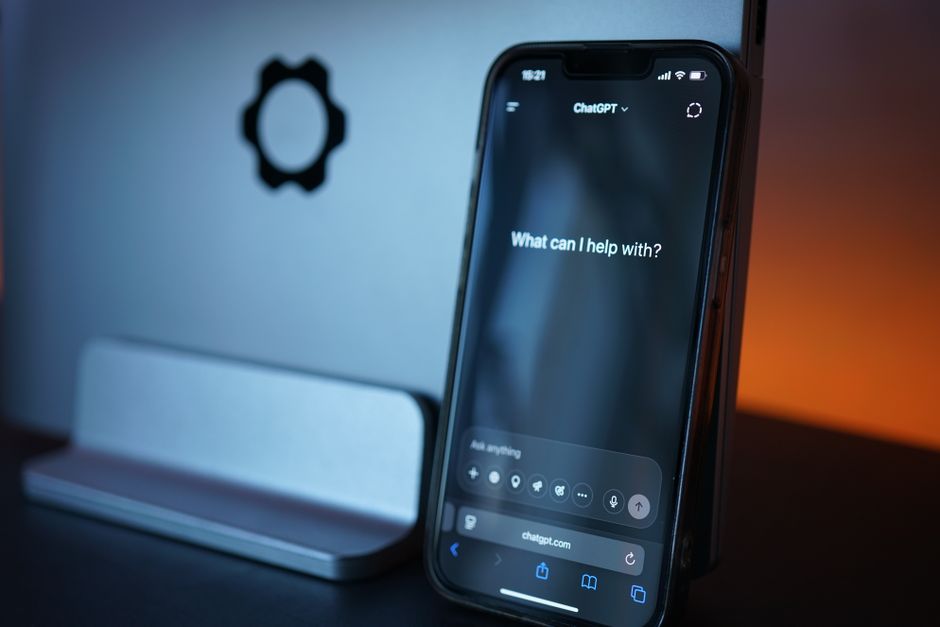
Artificial intelligence in healthcare refers to computer systems designed to perform tasks that typically require human intelligence, such as problem-solving, learning, and decision-making. In oral medicine, this could involve AI assisting with the analysis of complex medical images, identifying subtle patterns in patient data, or helping to assess risk factors for various conditions. It’s important to understand that AI is envisioned as a supportive tool, augmenting the capabilities of specialists, rather than replacing the critical human element of diagnosis and care.
Photo: Sun God Apolo / Pexels
AI's Potential in Diagnosing Complex Oral Conditions
The potential of AI to enhance diagnostic processes is particularly exciting for conditions seen at Melbourne Oral Medicine:
Persistent Mouth Ulcers and Oral Mucosal Disease: For patients with persistent mouth ulcers or other oral mucosal diseases, AI could potentially assist in analysing images of lesions to detect subtle changes over time. This might aid in the early identification of suspicious patches or those with an increased oral cancer risk, helping specialists like Dr. Alqudah to triage cases more effectively and determine the need for biopsy or further investigation.
TMJ Pain, Jaw Pain, and Orofacial Pain: Temporomandibular joint (TMJ) disorders and chronic orofacial pain can be complex (Temporomandibular Joint Disorders and Orofacial Pain, 2016; Pain Management and Rehabilitation for Central Sensitization in Temporomandibular Disorders: A Comprehensive Review, 2022). AI could help identify patterns within patient symptoms, medical history, and imaging results to better classify specific types of pain or predict responses to different therapies. This could assist in developing more personalised pain management and rehabilitation plans.
Burning Mouth Syndrome (BMS): This challenging condition involves a persistent burning sensation without an obvious local cause (Burning Mouth Syndrome, 2020; Burning Mouth Syndrome, 2023). AI might contribute by analysing a broad range of patient data to identify subgroups of BMS, potentially leading to more targeted and effective management strategies for this often frustrating condition.
Enhancing Management for Conditions like Dry Mouth
AI's capabilities extend beyond diagnosis to potentially improving the management of chronic conditions. For patients experiencing dry mouth (xerostomia), which can stem from various causes including systemic diseases or medications (Xerostomia of Various Etiologies: A Review of the Literature, 2016; Hyposalivation and Xerostomia and Burning Mouth Syndrome: Medical Management, 2022), AI could help analyse individual patient profiles to predict which interventions might be most effective. This could support the specialist in developing comprehensive remote oral care plans tailored to each patient's unique needs, aiming to improve comfort and oral health outcomes.
The Indispensable Role of the Oral Medicine Specialist
While the promise of artificial intelligence in oral medicine is significant, it is crucial to emphasise that AI tools are designed to assist, not replace, the expertise of a highly trained Oral Medicine Specialist. Dr. Alqudah's extensive experience, including a PhD in Oral Lichen Planus from the University of Melbourne and specialist training, provides the nuanced clinical judgment, diagnostic acumen, and compassionate patient interaction that AI cannot replicate. For complex conditions, suspicious lesions, or chronic pain, the specialist's ability to interpret data, consider the full patient context, and communicate effectively remains paramount. Telehealth consultations offered by Melbourne Oral Medicine allow for this expert assessment and triage, avoiding unnecessary travel while still providing specialist guidance for blood tests, imaging, biopsy, or referral.
Photo: Google DeepMind / Pexels
At Melbourne Oral Medicine, we are committed to providing the highest standard of evidence-based care. As AI continues to develop, its role will be to empower specialists with advanced analytical capabilities, ultimately enhancing the comprehensive care you receive. The human touch, empathy, and expert clinical decision-making of your Oral Medicine Specialist will always remain at the heart of your treatment journey.
Will AI diagnose my condition directly?
No, currently and in the foreseeable future, AI is a sophisticated tool designed to assist Oral Medicine Specialists. It can help process information and identify patterns, but the final diagnosis and treatment plan will always be made by a qualified specialist who considers your unique clinical picture.
How does Melbourne Oral Medicine utilise AI currently?
At present, our primary focus is on providing expert human assessment and care through secure video consultations. We actively monitor advancements in artificial intelligence to understand how these technologies can ethically and effectively be integrated into specialist oral medicine practice in the future to enhance patient outcomes.
Can AI replace my Oral Medicine Specialist?
No. While AI can augment certain aspects of clinical practice, it cannot replace the comprehensive understanding, nuanced clinical judgment, empathy, and direct patient interaction provided by an Oral Medicine Specialist like Dr. Suhaib Alqudah. The specialist's role in interpreting findings, making complex decisions, and offering personalised care is indispensable.
If you are experiencing persistent oral symptoms or facial pain, or if you are a referring practitioner seeking specialist insight, we encourage you to get in touch with Melbourne Oral Medicine to book a secure video consultation.




Add Comment