Telehealth Visit Explained: Your Online Oral Medicine Consult
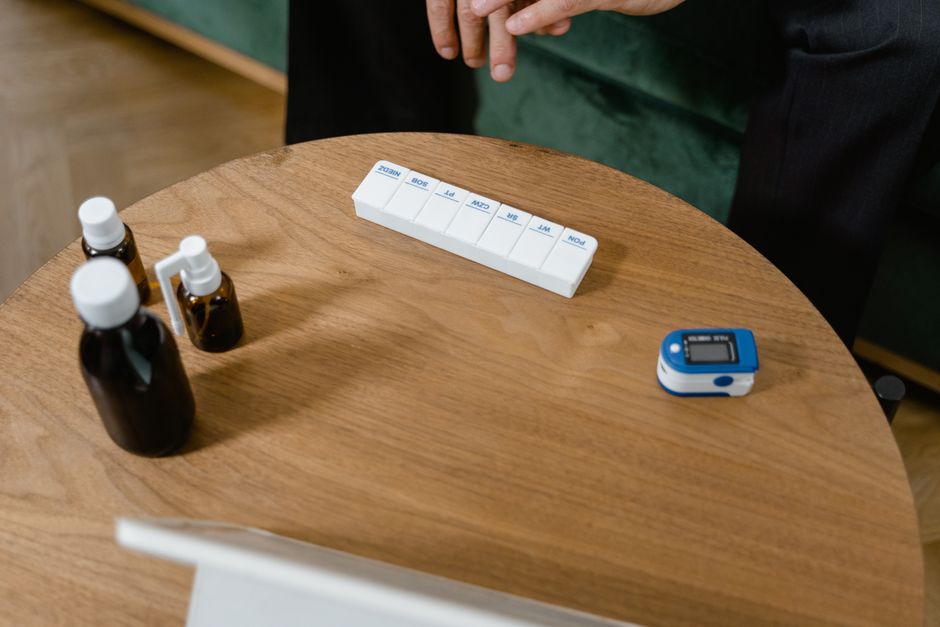
Photo: Tima Miroshnichenko / Pexels
If you’re experiencing persistent mouth ulcers, unexplained oral pain, or changes to your mouth’s appearance, a telehealth visit with a specialist Oral Medicine practitioner like Dr Suhaib Alqudah can provide expert guidance—without the need for travel. Melbourne Oral Medicine offers secure video consultations Australia-wide, ensuring you receive timely assessment and triage for complex oral health concerns.
Oral Medicine telehealth visits are designed to streamline your care pathway. Whether you’re a patient worried about symptoms or a GP or dentist seeking a second opinion, this approach allows for efficient diagnosis, referral pathways, or management plans—all from the comfort of your home. Below, we explain what to expect before, during, and after your virtual consultation, as well as how this model supports evidence-based care for conditions like oral lichen planus, burning mouth syndrome, temporomandibular joint (TMJ) disorders, and dry mouth.
What Happens Before Your Telehealth Consultation?
Preparing for your online assessment ensures the consultation is thorough and productive. Your specialist will provide clear instructions via email or phone, including:
Symptom tracking: Documenting details such as the duration, frequency, and severity of symptoms—such as mouth ulcers, pain, or altered taste—helps Dr Alqudah assess patterns and rule out urgent concerns.
Medical and dental history: Share any relevant medical conditions (e.g., autoimmune diseases, diabetes, or cancer treatments), medications (including over-the-counter remedies or supplements), and prior dental or medical treatments. For example, patients with systemic lupus erythematosus or Sjögren’s syndrome may present with dry mouth or oral ulcers, conditions that require tailored management.
Visual preparation: Use a well-lit space and a device with a clear camera. If possible, take close-up photos of any oral lesions, ulcers, or unusual patches in your mouth. These images help the specialist identify characteristics such as colour, texture, and location—critical for diagnosing conditions like oral lichen planus, where reticular (lace-like), erosive, or plaque-like patterns are key indicators.
Technical setup: Ensure a stable internet connection and a private environment. A headset or earphones can improve audio clarity during the discussion.
During the Telehealth Consultation: What to Expect
The virtual consultation follows a structured approach, combining patient history, visual assessment, and evidence-based discussion. Dr Alqudah will:
Review your symptoms in detail: You’ll be asked to describe your oral health concerns, including when they started, how they’ve progressed, and any factors that worsen or relieve them. For instance, patients with burning mouth syndrome (BMS) often report a persistent, often daily, burning sensation on the tongue, lips, or palate, which may fluctuate in intensity. Research highlights that BMS is frequently associated with underlying neurological sensitisation or systemic conditions like diabetes or thyroid disorders, so a thorough history helps narrow down potential causes.
Examine oral images and visual clues: Using the photos you’ve shared, Dr Alqudah will inspect your mouth for signs of conditions such as oral lichen planus (characterised by white lace-like patterns or painful erosions), candidiasis (white patches that may be scraped away), or suspicious lesions that warrant further investigation. For TMJ-related pain or dysfunction, you may be asked to describe jaw movements or clicking sensations, which are key indicators of temporomandibular joint disorders (TMD).
Discuss potential diagnoses and next steps: Based on your symptoms and visual findings, Dr Alqudah will explain possible conditions, their implications, and any necessary follow-up actions. For example, if dry mouth (xerostomia) is suspected, he may discuss underlying causes such as medication side effects, autoimmune diseases like Sjögren’s syndrome, or radiation therapy for cancer. Management often involves salivary stimulation techniques, hydration advice, or referral to a specialist for further testing.
Key Conditions Assessed via Telehealth
Melbourne Oral Medicine’s telehealth service specialises in diagnosing and managing a range of oral health concerns that may not always require an in-person visit. These include:
Oral lichen planus: An autoimmune condition causing painful erosive lesions or white reticular patches in the mouth. While often benign, it can mimic other conditions like leukoplakia or candidiasis, so accurate diagnosis is crucial. Research emphasises the importance of ruling out hematinic deficiencies (such as iron or vitamin B12) and autoimmune markers in patients with erosive oral lichen planus.
Burning mouth syndrome (BMS): Characterised by a chronic, often debilitating burning sensation without visible lesions. Studies highlight that BMS is frequently linked to central sensitisation—an amplification of pain signals in the brain—and may respond to multidisciplinary management involving oral medicine, psychology, and pain specialists.
Temporomandibular joint (TMJ) disorders and orofacial pain: Conditions like TMJ dysfunction or myofascial pain can cause jaw pain, clicking, or limited movement. Telehealth allows for a detailed discussion of symptoms, functional limitations, and potential triggers, enabling referral to physiotherapy or pain management if needed.
Dry mouth (xerostomia) and salivary gland dysfunction: Caused by medications, systemic diseases, or radiation therapy, dry mouth can lead to discomfort, difficulty swallowing, and increased risk of dental decay. Telehealth consultations help identify underlying causes and recommend salivary stimulants or oral hygiene strategies.
After Your Consultation: Next Steps and Follow-Up
Following your telehealth visit, Dr Alqudah will provide clear next steps tailored to your needs. These may include:
Referral for blood tests or imaging: If systemic causes (e.g., autoimmune markers, vitamin deficiencies) or structural issues (e.g., TMJ abnormalities) are suspected, you may be referred for further diagnostic testing. For example, patients with persistent oral ulcers or lichen planus-like lesions may undergo blood tests to check for conditions like celiac disease or Sjögren’s syndrome.
Biopsy or specialist referral: In cases where oral lesions are suspicious for precancerous changes or oral cancer, a biopsy may be recommended. Dr Alqudah can arrange this or refer you to a local oral surgeon or oncologist for further evaluation.
Personalised management plan: Depending on your diagnosis, you may receive advice on oral hygiene, dietary adjustments, medication management, or lifestyle changes. For instance, patients with BMS may benefit from stress-reduction techniques or topical anaesthetic gels to alleviate symptoms.
Follow-up appointments: If your condition requires ongoing monitoring (e.g., oral lichen planus or chronic TMJ pain), Dr Alqudah may schedule further telehealth or in-person consultations as needed.
When to Seek Help for Oral Health Concerns
While many oral health issues are minor and resolve on their own, certain symptoms warrant prompt assessment. Contact Dr Alqudah if you experience:
Persistent mouth ulcers lasting longer than two weeks, especially if they are painful, recurrent, or associated with other systemic symptoms.
Unexplained oral pain, burning sensations, or altered taste that interferes with eating, speaking, or sleeping.
Visible changes in your mouth, such as white or red patches, lumps, or areas that bleed easily—these could indicate conditions ranging from infections to precancerous lesions.
Jaw pain, clicking, or difficulty opening your mouth, which may signal TMJ dysfunction or muscle tension.
Severe dry mouth that doesn’t improve with hydration or salivary substitutes, particularly if it’s accompanied by frequent oral infections or dental decay.
Question?
Can I bring a family member or carer to my telehealth appointment?
Yes, having a support person present can be helpful, especially if you’re discussing complex medical histories or management plans. However, ensure your consultation space remains private to maintain confidentiality.
Question?
What if my symptoms worsen after my telehealth consultation?
If your symptoms deteriorate or new concerns arise, contact Dr Alqudah’s office immediately. You may need to be reassessed or referred for urgent care, depending on the nature of your condition.
Question?
Do I need to have my own medical records before the consultation?
While it’s helpful to gather relevant medical records (e.g., recent blood test results, dental X-rays, or specialist reports), Dr Alqudah will guide you on what information is most useful to share during your consultation. Focus on details such as medications, allergies, and past treatments.






Add Comment