How Daily Habits Affect Your Oral Health & When to Seek Help.
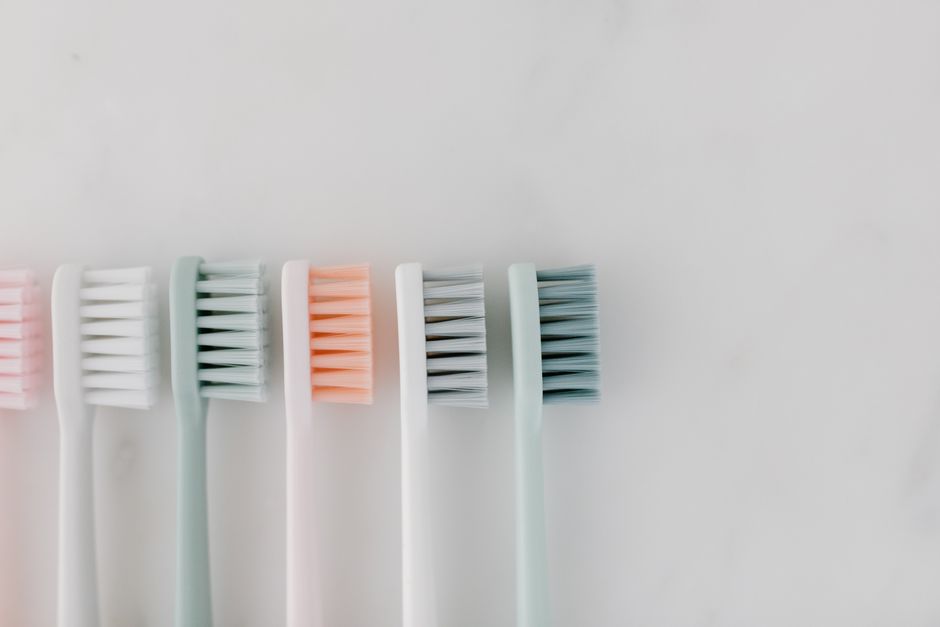
Photo: Tara Winstead / Pexels
Small changes in your daily habits can make a big difference to your oral health—especially if you experience persistent mouth ulcers, dryness, or unexplained pain. Many oral conditions, like dry mouth, burning sensations, or chronic jaw discomfort, are influenced by daily routines, medications, or even stress. Understanding these habits can help you manage symptoms early and avoid unnecessary worry. Dr Suhaib Alqudah, a specialist Oral Medicine consultant, often sees patients whose symptoms are linked to overlooked daily factors. If you’re concerned about persistent oral issues, a secure online consultation can clarify whether your habits are contributing—and what steps to take next.
Oral health isn’t just about brushing twice a day. It’s also about hydration, diet, medication use, and stress management—all of which can trigger or worsen conditions like xerostomia (dry mouth), oral lichen planus, or temporomandibular joint (TMJ) disorders. While some symptoms are harmless, others may signal underlying issues that require specialist attention. The key is knowing when to pay attention and when to seek professional advice—without unnecessary travel or delays.
How Daily Habits Influence Your Oral Health
Your mouth is sensitive to environmental and lifestyle factors. Common habits that may impact oral health include:
Medication use: Over 400 prescription and over-the-counter drugs can cause dry mouth as a side effect, increasing the risk of infections and erosive conditions like oral lichen planus (Alqudah et al., 2018).
Diet and hydration: Chronic dehydration or a diet high in sugar and acid can exacerbate symptoms of burning mouth syndrome or oral ulcers (Hyposalivation and Xerostomia, 2022).
Stress and sleep: Poor sleep or high stress levels are linked to temporomandibular disorders (TMD) and orofacial pain, often due to teeth grinding (bruxism) or muscle tension (Temporomandibular Joint Disorders, 2016).
Smoking and alcohol: These can worsen oral mucosal diseases, delay healing, and increase the risk of oral cancer (Oral Lichen Planus, 2024).
Oral hygiene habits: Aggressive brushing or using harsh mouthwashes can irritate sensitive oral tissues, particularly in conditions like lichen planus (Alqudah et al., 2018).
While not everyone will experience problems, recognising these patterns can help you take proactive steps—such as adjusting your routine or seeking advice before symptoms escalate.
Photo: hello aesthe / Pexels
When to Pay Attention to Your Mouth
Most mouth sores, dryness, or discomfort resolve on their own. However, certain red flags warrant closer attention:
Persistent mouth ulcers lasting more than two weeks, especially if they’re painful, growing, or not healing.
Severe dry mouth that interferes with eating, speaking, or swallowing—particularly if accompanied by a metallic or burning taste.
Unexplained jaw pain, clicking, or limited movement that disrupts daily activities (a hallmark of TMJ disorders).
White, red, or lacy patches in the mouth that don’t go away, which could indicate oral lichen planus or another mucosal disease.
Sudden changes in taste, numbness, or a persistent burning sensation with no clear cause (burning mouth syndrome).
If you’re experiencing any of these symptoms—especially if they’re affecting your quality of life—it’s important to rule out underlying conditions early. Many oral health issues improve with targeted management, but delays can lead to complications.
How an Online Consultation Helps
A secure telehealth consultation with Dr Alqudah allows for a thorough assessment of your symptoms, habits, and medical history—without the need for travel. During your consultation, you’ll discuss:
Your daily routines, including diet, medication use, and stress levels, to identify potential triggers.
Symptom patterns (e.g., when they occur, how long they last, and any aggravating factors).
Whether further tests are needed, such as blood work (to check for nutritional deficiencies or autoimmune markers), salivary flow tests (for dry mouth), or a biopsy (if oral lesions are suspicious).
Personalised advice on adjusting habits (e.g., hydration, oral care products, or stress management techniques).
This approach ensures you receive accurate triage, avoiding unnecessary worry or delays while accessing specialist care from the comfort of home. For example, if your dry mouth is linked to medication, Dr Alqudah can recommend saliva-stimulating strategies or refer you to a pharmacist for alternatives. If your symptoms suggest a condition like oral lichen planus, early intervention can prevent progression.
Photo: hello aesthe / Pexels
What to Do Next: Small Changes, Big Impact
If you’re unsure whether your daily habits are contributing to oral discomfort, start by tracking your symptoms for a week—note when they occur, what triggers them, and how they affect your day. Simple adjustments, like increasing water intake, reducing caffeine, or using a soft-bristled toothbrush, can make a difference. However, if symptoms persist or worsen, an online consultation provides clarity and peace of mind.
Many patients underestimate how connected their oral health is to their broader lifestyle. Conditions like dry mouth, burning sensations, or jaw pain often respond well to targeted changes—whether dietary, behavioural, or medical. The goal isn’t to pathologise everyday habits but to empower you with knowledge so you can take control.
FAQ
Can dry mouth be fixed by changing my daily habits?
Yes, in many cases. Dry mouth (xerostomia) is often linked to dehydration, medication use, or mouth breathing. Increasing water intake, using sugar-free saliva substitutes, or adjusting your oral care routine (e.g., switching to fluoride-free toothpaste) can help. However, if your dry mouth is severe or persistent, it may require further investigation—such as checking for salivary gland dysfunction or autoimmune conditions—through a consultation.
How do I know if my jaw pain is from stress or a TMJ disorder?
Stress-related jaw pain often comes and goes with tension or anxiety, while TMJ disorders typically involve persistent clicking, locking, or discomfort that affects chewing or opening your mouth wide. If your pain is severe, limits your movement, or doesn’t improve with relaxation techniques, it’s best to have it assessed. Dr Alqudah can evaluate whether your symptoms align with TMJ dysfunction or another cause, such as muscle overuse or nerve irritation.
Is it normal for mouth ulcers to keep coming back?
Recurrent mouth ulcers (aphthous stomatitis) are common and usually harmless, but if they’re frequent, large, or not healing, they may signal an underlying issue like nutritional deficiencies (e.g., iron, vitamin B12), autoimmune conditions, or oral lichen planus. An online consultation can help determine whether your ulcers are part of a broader pattern requiring further investigation, such as blood tests or a biopsy.





Add Comment