Robotic Surgery vs Dynamic Navigation: Precision in Dental Implants Explained.
Photo: Cedric Fauntleroy / Pexels
When it comes to dental implants, precision matters—especially for patients with complex oral health needs or those undergoing advanced treatments. Recent advancements in technology, such as robotic surgery and dynamic navigation, promise greater accuracy in implant placement. But what does this mean for you as a patient? And how might these innovations impact your treatment journey? At Melbourne Oral Medicine, we understand that clarity and evidence-based care are essential, particularly when navigating oral health concerns that may affect implant success or overall facial pain management.
Dental implants are a life-changing solution for those missing teeth, offering restored function and confidence. However, the placement process requires meticulous planning to avoid complications like nerve damage, improper positioning, or implant failure. This is where cutting-edge technologies like robotic-assisted surgery and dynamic navigation systems come into play. These tools leverage real-time imaging and computer-guided techniques to enhance precision, reducing risks and improving outcomes.
What Are Robotic Surgery and Dynamic Navigation in Dental Implants?
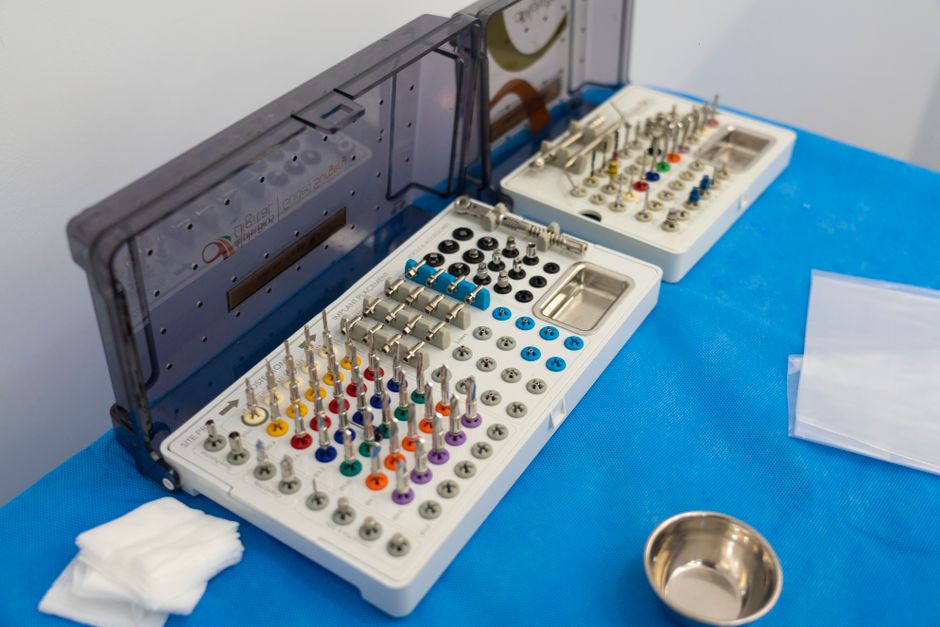
Robotic surgery in dentistry involves the use of computer-controlled robotic arms to assist surgeons in placing implants with submillimetre accuracy. These systems integrate with 3D imaging scans (such as CT or cone-beam CT) to map the patient’s anatomy in real time. Dynamic navigation, on the other hand, combines traditional surgical guides with live imaging feedback, allowing for adjustments during the procedure to ensure optimal implant placement.
Both methods aim to minimise human error, which is particularly valuable for patients with complex oral structures, such as those with thin bone density, proximity to nerves, or conditions like temporomandibular joint (TMJ) disorders that may affect jaw alignment. For patients with chronic orofacial pain or those recovering from cancer treatment, precise implant placement can also reduce post-operative discomfort and improve long-term stability.
How Does Greater Accuracy Benefit Patients?
The primary advantage of these technologies is reduced risk. Traditional implant surgery relies on static surgical guides created from pre-operative scans, which may not account for minor anatomical variations or patient movement during the procedure. Robotic systems and dynamic navigation address this by providing continuous feedback, adjusting as needed to ensure implants are placed exactly where intended.
Photo: Jimmy Liao / Pexels
For patients with conditions like dry mouth (xerostomia)—a common side effect of medications or autoimmune diseases—precise implant placement can also help avoid complications such as bone loss or infection. Studies highlight that xerostomia can significantly impact oral health, increasing the risk of periodontal disease and implant failure if not managed properly (Xerostomia of Various Etiologies: A Review of the Literature, 2016). By enhancing accuracy, these technologies may contribute to better outcomes for patients with systemic conditions affecting their oral environment.
When Should You Consider Advanced Implant Technologies?
While robotic surgery and dynamic navigation are not yet standard for every implant case, they are particularly beneficial in scenarios where:
Your anatomy presents challenges, such as narrow ridges or proximity to nerves.
You have a history of failed implants or complications from previous surgeries.
You are undergoing treatment for conditions like oral lichen planus or cancer, which may alter your oral tissues.
You experience chronic orofacial pain or TMJ disorders that could affect implant stability.
If you’re unsure whether these advanced techniques are right for you, consulting with an oral medicine specialist like Dr Suhaib Alqudah can help clarify your options. At Melbourne Oral Medicine, we offer secure telehealth consultations to assess your needs remotely, ensuring you receive personalised advice without unnecessary travel.
How Melbourne Oral Medicine Can Help
While our focus at Melbourne Oral Medicine is on diagnosing and managing oral mucosal diseases, facial pain, and systemic conditions that may impact dental health, we recognise the importance of collaboration with specialists who use advanced implant technologies. If you’re experiencing symptoms like persistent pain, dry mouth, or oral ulcers that could affect your candidacy for implants—or if you’re simply seeking a second opinion—our online consultations provide a convenient way to discuss your concerns.
During a telehealth assessment, Dr Alqudah can:
Photo: Cedric Fauntleroy / Pexels
Review your medical history and symptoms to identify underlying conditions that may influence implant success.
Recommend blood tests or imaging if needed to assess factors like nutritional deficiencies or bone density.
Provide guidance on managing oral health risks, such as dry mouth or autoimmune-related oral changes.
Connect you with the right implant specialist for further evaluation, ensuring your treatment aligns with your unique needs.
This approach helps avoid unnecessary travel while ensuring you receive evidence-based care tailored to your situation.
FAQ
Are robotic implants more expensive than traditional ones?
Cost can vary depending on your insurance coverage and the complexity of your case. While robotic-assisted or dynamically navigated implants may involve higher upfront costs due to advanced technology, they can reduce long-term risks like revision surgeries or complications. Your implant specialist will provide a detailed breakdown of costs and potential benefits during your consultation.
Can patients with chronic pain or TMJ disorders still get implants?
Yes, but careful planning is essential. Conditions like TMJ disorders or chronic orofacial pain may require additional assessment to ensure implants won’t exacerbate your symptoms. Advanced navigation technologies can help surgeons avoid areas of sensitivity, improving comfort and stability. Our team can help identify whether you need further evaluation by a pain specialist or implant expert.
How do I know if I’m a candidate for dynamic navigation or robotic implants?
The best way to determine your eligibility is to consult with an oral medicine specialist and your implant dentist. During your telehealth assessment with Melbourne Oral Medicine, we can review your medical history and symptoms to ensure you’re directed to the most appropriate specialist for your needs.
If you’re concerned about your oral health, implant candidacy, or managing symptoms that could impact your treatment, our secure telehealth consultations are here to help. Book an appointment today to discuss your concerns with Dr Suhaib Alqudah and take the first step towards clearer, more confident oral health care.




Add Comment