Robotic Dentistry: What a Pilot Study on Tooth Restoration Means for You.
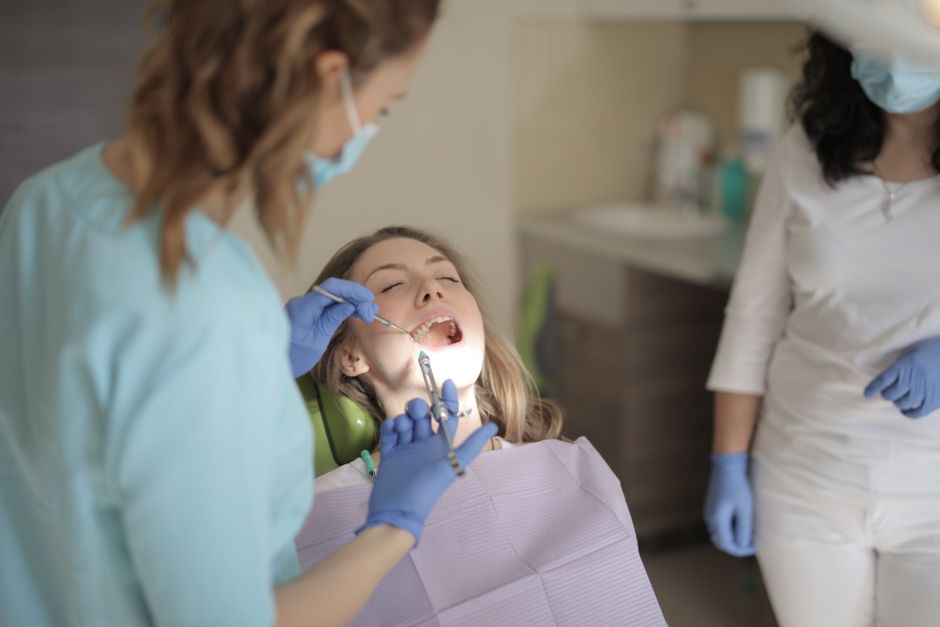
Photo: Engin Akyurt / Pexels
The world of dentistry is constantly evolving, with new technologies emerging to enhance patient care and treatment precision. A recent pilot feasibility study, published in Nature Communications Engineering, explored the use of a semi-automated robot for tooth restorative treatment. This exciting development sparks conversations about the future of dental procedures and how advanced technology, like Robotic Dentistry, might one day integrate into our oral health landscape.
This groundbreaking research investigated the potential for a robotic system to assist in preparing teeth for restorative treatments, such as fillings. While the study represents an early stage of development, it highlights the potential for increased precision and consistency in certain dental procedures. For patients, this could eventually mean highly standardised and potentially more efficient restorative treatments. However, it's crucial to understand that this technology is currently in its experimental phase, focusing on specific restorative tasks rather than comprehensive dental care or the diagnosis and management of complex oral conditions.
Beyond Automation: The Human Element in Oral Medicine
While the prospect of a semi-automated robot for tooth restorative treatment is fascinating, many complex oral health issues require the nuanced expertise, diagnostic skill, and personalised care that only a human specialist can provide. At Melbourne Oral Medicine, Dr. Suhaib Alqudah, a registered Oral Medicine Specialist with a PhD in Oral Lichen Planus, focuses on conditions that go beyond routine restorative dentistry. These often involve intricate diagnostic processes, an understanding of systemic health, and a tailored management approach that current robotic systems are not designed to address. Our clinic provides specialist online consultations Australia-wide, ensuring that patients with complex conditions can access expert care without the need for extensive travel.
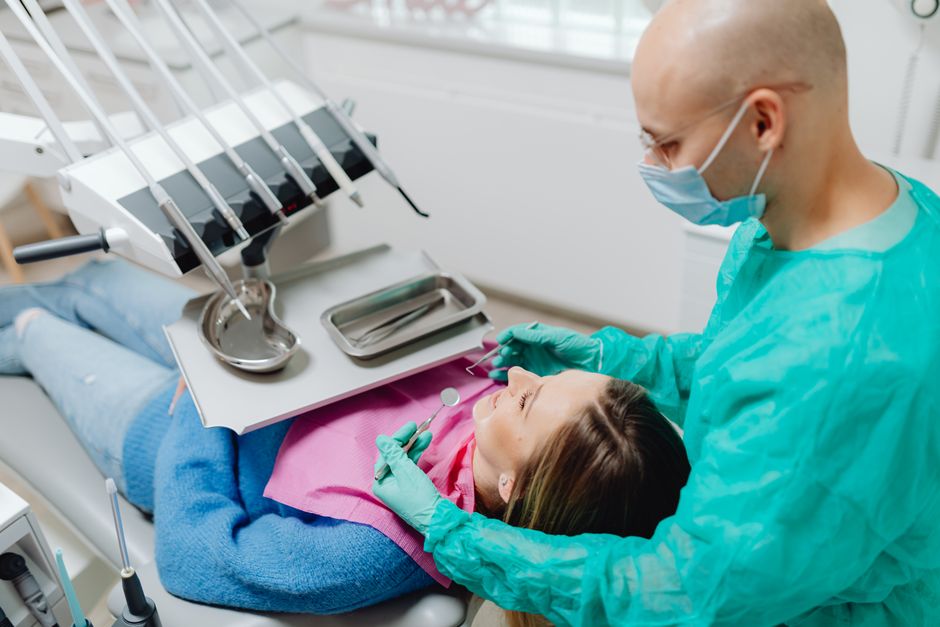
Photo: Engin Akyurt / Pexels
When Specialist Expertise is Essential: Conditions We Address
Many conditions demand a specialist's eye, far removed from the scope of automated restorative procedures:
Oral Mucosal Diseases: Conditions like Oral Lichen Planus (OLP), a chronic inflammatory condition affecting the lining of the mouth, can present as white patches, redness, or painful ulcers. Symptoms may include burning sensations, sensitivity to certain foods, or discomfort. Red flags include persistent lesions that don't heal within two weeks, or any unusual changes in the mouth lining. An online Oral Medicine consultation allows for a detailed visual assessment and history, guiding the need for further investigations such as blood tests or a biopsy to confirm diagnosis and rule out other serious conditions. (References: Oral lichen planus - Differential diagnoses, serum autoantibodies, hematinic deficiencies, and management, 2018; Oral Lichen Planus: An Update on Diagnosis and Management, 2024)
Temporomandibular Joint (TMJ) Disorders and Orofacial Pain: These conditions involve pain in the jaw joints, muscles of the face, head, and neck. Symptoms can range from jaw clicking, locking, or limited opening, to chronic headaches, earaches, and facial pain. Persistent pain, especially if it impacts daily function or sleep, is a red flag. Dr. Alqudah can conduct a thorough remote assessment, exploring potential contributing factors like central sensitisation, and guide appropriate management strategies, which may include referrals for imaging, physiotherapy, or medication. (References: Pain Management and Rehabilitation for Central Sensitization in Temporomandibular Disorders: A Comprehensive Review, 2022; Temporomandibular Joint Disorders and Orofacial Pain, 2016)
Burning Mouth Syndrome (BMS) and Dry Mouth (Xerostomia): BMS is characterised by a persistent burning sensation in the mouth, often without any visible signs. Dry mouth, or xerostomia, occurs when salivary glands don't produce enough saliva, leading to discomfort, difficulty eating and speaking, and increased risk of dental problems. Both can significantly impact quality of life. Persistent burning or dryness, especially if accompanied by altered taste, warrants investigation. An online consultation can help identify underlying causes, such as medication side effects, systemic conditions, or nerve dysfunction, and develop a management plan. (References: Burning Mouth Syndrome, 2020; Burning Mouth Syndrome, 2023; Xerostomia of Various Etiologies: A Review of the Literature, 2016; Hyposalivation and Xerostomia and Burning Mouth Syndrome: Medical Management, 2022)
Your Specialist Online Consultation for Complex Oral Health
While advancements like the semi-automated robot for tooth restorative treatment are exciting for the future of dentistry, the immediate and ongoing need for expert human diagnosis and management of complex oral conditions remains paramount. Melbourne Oral Medicine offers secure video consultations, providing a convenient and accessible way to receive specialist advice from anywhere in Australia. Dr. Alqudah's expertise ensures accurate diagnosis, effective triage (whether for reassurance, blood tests, imaging, biopsy, or referral), and a tailored care plan, often saving patients unnecessary travel and delay.
If you are experiencing persistent or worrying symptoms related to your oral health, or if you are a referring GP or dentist seeking specialist input for a complex case, we encourage you to get in touch. Our goal is to provide clarity, reassurance, and a pathway to better oral health.
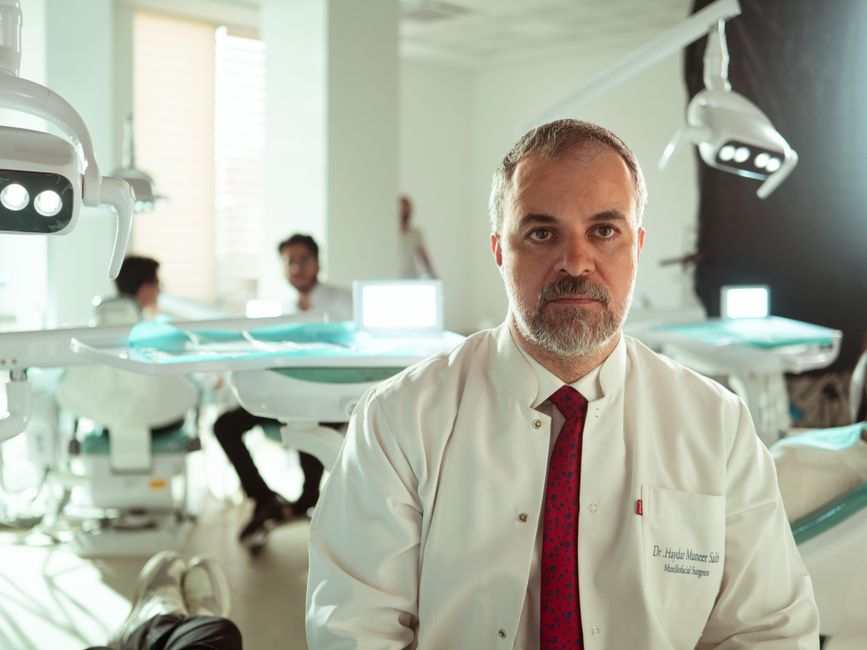
Photo: https://kaboompics.com/ / Pexels
Frequently Asked Questions
Can a semi-automated robot diagnose my mouth condition?
No, the pilot study referenced focuses on the feasibility of a semi-automated robot for tooth restorative treatment, such as preparing a tooth for a filling. Diagnosing complex conditions like oral mucosal diseases, orofacial pain, or dry mouth requires specialist human expertise, clinical assessment, and often further investigations.
How does an online Oral Medicine consultation help with complex conditions?
An online consultation allows for a detailed discussion of your symptoms and medical history, and often a visual assessment. This enables Dr. Alqudah to provide a specialist diagnosis, triage the need for any further tests (like blood tests, imaging, or biopsy), offer reassurance, and develop a comprehensive management plan, all from the convenience of your home.
Is Robotic Dentistry available for patients in Australia now?
The semi-automated robot for tooth restorative treatment discussed in the Nature Communications Engineering study is currently in a pilot feasibility stage. While robotics are used in some areas of healthcare, widespread clinical application of this specific technology for routine restorative dental treatments is still a future development.
Reference: Ding, X., Wang, Y., Zhang, Y. et al. Semi-automated robot for tooth restorative treatment: a pilot feasibility study. Nat Commun Eng 3, 11 (2024).

Add Comment