Rising Child Tooth Decay Admissions: A Call for Broader Oral Health Awareness.
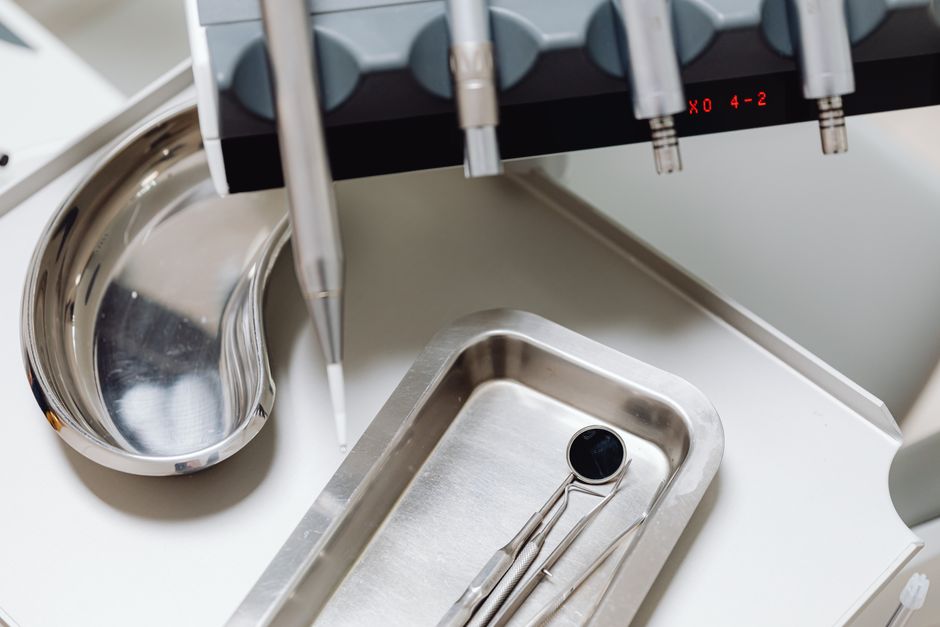
Photo: https://kaboompics.com/ / Pexels
Recent news highlighting a concerning rise in child tooth decay hospital admissions in some regions serves as a stark reminder of the ongoing challenges in oral health. While this specific issue often falls under the care of general dentists and paediatric specialists, it underscores a broader message: the critical importance of early intervention and expert care for all oral health concerns. At Melbourne Oral Medicine and Facial Pain Centre, we understand that oral health extends far beyond just teeth, encompassing the complex tissues, nerves, and glands of the mouth and face.
While the news focuses on child tooth decay, it prompts us to consider the wider spectrum of oral health issues that can affect individuals of all ages. Many conditions, if left unaddressed, can significantly impact quality of life. Dr Suhaib Alqudah, a registered Oral Medicine Specialist with a PhD in Oral Lichen Planus from the University of Melbourne, focuses entirely on specialist Oral Medicine, caring for patients with complex oral and maxillofacial conditions. These include persistent mouth ulcers, oral mucosal diseases, dry mouth, burning mouth syndrome, and chronic orofacial pain.
Key Oral Health Concerns Requiring Specialist Attention
Understanding the signs and symptoms of various oral conditions is crucial for timely and effective management:
Persistent Mouth Ulcers and Oral Mucosal Disease: While most mouth ulcers heal within two weeks, those that persist longer, are unusually large, or recur frequently warrant specialist investigation. Conditions like Oral Lichen Planus, for which Dr. Alqudah holds a PhD, can manifest as white lacy patterns, red areas, or ulcers, causing discomfort or pain. Red flags include non-healing lesions, changes in appearance, or unusual bleeding. Early assessment is vital for accurate diagnosis and management, as some lesions may require biopsy to rule out more serious conditions. (Journal of the Formosan Medical Association, 2018; American Journal of Clinical Dermatology, 2024)
Dry Mouth (Xerostomia) and Salivary Gland Symptoms: A feeling of dry mouth, difficulty swallowing or speaking, or altered taste can indicate reduced saliva flow (hyposalivation). This can stem from various causes, including medications, systemic diseases, or radiotherapy. Persistent dry mouth can increase the risk of tooth decay and oral infections. Red flags include chronic dryness despite adequate hydration, pain or swelling in the salivary glands, or a sudden change in taste. A specialist can help identify the underlying cause and develop a management plan. (Advances in Clinical and Experimental Medicine, 2016; Oral and Maxillofacial Surgery Clinics of North America, 2022)
Burning Mouth Syndrome (BMS) and Altered Taste: Characterised by a persistent burning sensation in the mouth, often without any visible signs of irritation. This can affect the tongue, lips, or roof of the mouth and may be accompanied by altered taste or dry mouth. While the exact cause is often complex, it can involve nerve dysfunction. Red flags include a burning sensation that lasts for months, significantly impacts eating or speaking, or is accompanied by other neurological symptoms. Specialist evaluation is important to differentiate BMS from other conditions and provide appropriate management strategies. (Dermatologic Clinics, 2020; Dental Clinics of North America, 2023; Oral and Maxillofacial Surgery Clinics of North America, 2022)
TMJ Pain, Jaw Pain, and Chronic Orofacial Pain: Pain in the jaw joint (temporomandibular joint or TMJ), jaw muscles, or chronic facial pain that doesn't resolve can be debilitating. Symptoms may include clicking or popping sounds in the jaw, difficulty opening or closing the mouth, headaches, or ear pain. Red flags include persistent pain, limited jaw movement, or pain that interferes with daily activities. A specialist can assess for temporomandibular disorders (TMDs) and other forms of orofacial pain, developing a tailored pain management and rehabilitation plan. (International Journal of Molecular Sciences, 2022; Dental Clinics of North America, 2016)
The Power of Online Oral Medicine Consultations
For patients across Australia, accessing specialist Oral Medicine care has never been easier. Melbourne Oral Medicine offers secure video (telehealth) consultations, allowing you to receive expert assessment from Dr. Alqudah from the comfort of your home. This approach is particularly beneficial for those in regional or remote areas, or anyone wishing to avoid unnecessary travel. An online consultation can help with accurate diagnosis, provide reassurance, and guide appropriate next steps, which may include blood tests, imaging, biopsy recommendations, or referral to another specialist. This streamlined process ensures you receive timely, evidence-based care.
Frequently Asked Questions
How can a specialist Oral Medicine consultation help with complex oral conditions?
A specialist Oral Medicine consultation provides an in-depth assessment of your symptoms, medical history, and oral examination (where relevant via video or by guiding you). Dr. Alqudah can diagnose complex conditions, differentiate them from others, and develop a precise management plan, often involving a combination of medical therapies, lifestyle advice, or coordination with other specialists.
What should I do if I have a persistent oral symptom?
If you experience any persistent oral symptoms such as non-healing ulcers, chronic pain, dry mouth, or burning sensations, it is always recommended to consult with your general practitioner or dentist first. If your symptoms are complex or do not resolve, they may refer you to an Oral Medicine Specialist for further evaluation.
Can Melbourne Oral Medicine help my child with tooth decay?
Melbourne Oral Medicine specialises in complex oral medicine and facial pain conditions primarily affecting adults. For child tooth decay, it is best to consult a paediatric dentist or your general dentist. However, if your child has an unusual or complex oral mucosal issue beyond typical decay, a referral to an Oral Medicine Specialist might be appropriate after initial dental assessment.
The recent news about child tooth decay reminds us that oral health is an integral part of overall well-being. Whether you are experiencing persistent mouth ulcers, dry mouth, burning sensations, or chronic facial pain, specialist care can make a significant difference. Dr. Suhaib Alqudah is dedicated to providing compassionate, evidence-based care for complex oral and maxillofacial conditions. We encourage you to reach out to Melbourne Oral Medicine and book a secure video consultation today to discuss your concerns and explore your treatment options.
Source inspiration: Dentistry.co.uk. (2026, September 24). ‘Lack of political will’ blamed as child tooth decay hospital admissions rise.





Add Comment