If you’ve noticed persistent red or white patches, ulcers, or changes in your mouth lining, you’re not alone. Many people experience these symptoms at some point, but when they don’t heal within a few weeks or cause discomfort, it’s important to seek expert advice. At Melbourne Oral Medicine, we specialise in diagnosing and managing oral mucosal diseases, including conditions like oral lichen planus (OLP), leukoplakia, and other lesions that may require careful assessment.
These changes can be caused by a range of factors, from benign irritations to conditions that need monitoring. While some mouth lesions are harmless, others may signal underlying health concerns—including potential risks like oral cancer. That’s why early evaluation by an oral medicine specialist is crucial. Our team uses evidence-based approaches to determine the cause and recommend appropriate treatment or management strategies tailored to your needs.
Common Causes of Red and White Mouth Lesions
White patches in the mouth are often seen in conditions like leukoplakia or oral lichen planus (OLP), while redness or inflammation may indicate irritation, infection, or autoimmune responses. Leukoplakia, for example, is a thick, white, scaly patch that typically develops on the cheeks, gums, or tongue and is often linked to chronic irritation from smoking, sharp teeth, or ill-fitting dentures. On the other hand, OLP is an autoimmune condition where the body’s immune system mistakenly attacks the cells of the mouth lining, leading to red, white, or lacy patterns, often accompanied by discomfort or burning.
Other possibilities include candidiasis (a fungal infection causing creamy white patches that can be scraped off), geographic tongue (a harmless but irritating condition with map-like red patches), or even oral lichenoid reactions triggered by medications or dental materials. Red lesions might also result from trauma, infections like herpes simplex, or systemic conditions such as lupus or pemphigus vulgaris. Given the variability in appearance and cause, a precise diagnosis is essential.
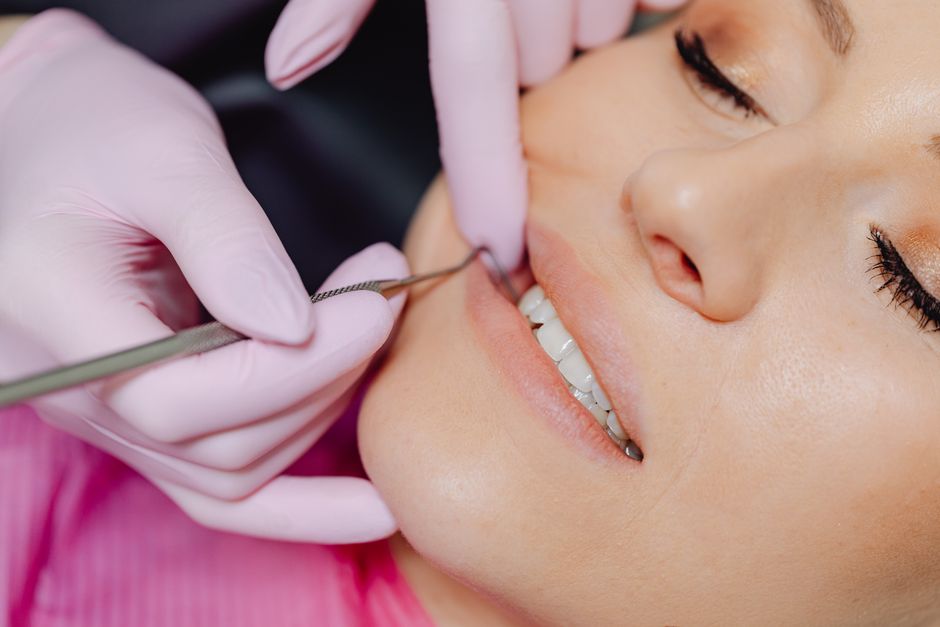
Photo: Andrea Piacquadio / Pexels
When to Seek Expert Assessment
Most minor mouth sores heal on their own within a week or two. However, if your lesion persists beyond two weeks, grows in size, bleeds easily, or causes persistent pain, it’s time to consult an oral medicine specialist. These symptoms may warrant further investigation, particularly if you have risk factors such as smoking, heavy alcohol use, or a history of oral cancer. At Melbourne Oral Medicine, we offer Australia-wide teleconsultations and in-clinic assessments to ensure timely and accurate evaluation.
Our approach begins with a thorough history and examination, often supplemented by biopsy or specialised testing if needed. For example, a biopsy of a suspicious white patch can distinguish between leukoplakia (which may require monitoring for dysplasia or cancer) and OLP (which is typically managed with anti-inflammatory treatments). Recent research highlights the importance of early differentiation, as some lesions—like leukoplakia—can progress to oral squamous cell carcinoma if left untreated (Xerostomia of Various Etiologies, 2016; Oral Lichen Planus: An Update on Diagnosis and Management, 2024).
Understanding Oral Lichen Planus (OLP)
Oral lichen planus is one of the most common chronic inflammatory conditions affecting the mouth, with a prevalence of around 1–2% of the population. It often presents as white, lacy networks (reticular OLP) or red, erosive patches that can be painful, particularly on the inner cheeks, gums, or tongue. While the exact cause remains unclear, OLP is strongly associated with autoimmune responses and may be triggered or worsened by stress, hormonal changes, or certain medications (Oral Lichen Planus - Differential Diagnoses, 2018).
Management of OLP typically involves anti-inflammatory therapies, such as topical corticosteroids or oral rinses, to reduce symptoms and prevent progression. Recent studies emphasise the role of vitamin deficiencies, particularly low levels of iron, zinc, or vitamin B12, which can exacerbate symptoms. Addressing these deficiencies—through diet, supplements, or targeted treatment—can significantly improve outcomes (Oral Lichen Planus: An Update on Diagnosis and Management, 2024). Our specialists work closely with patients to develop personalised plans that address both symptom control and underlying contributing factors.
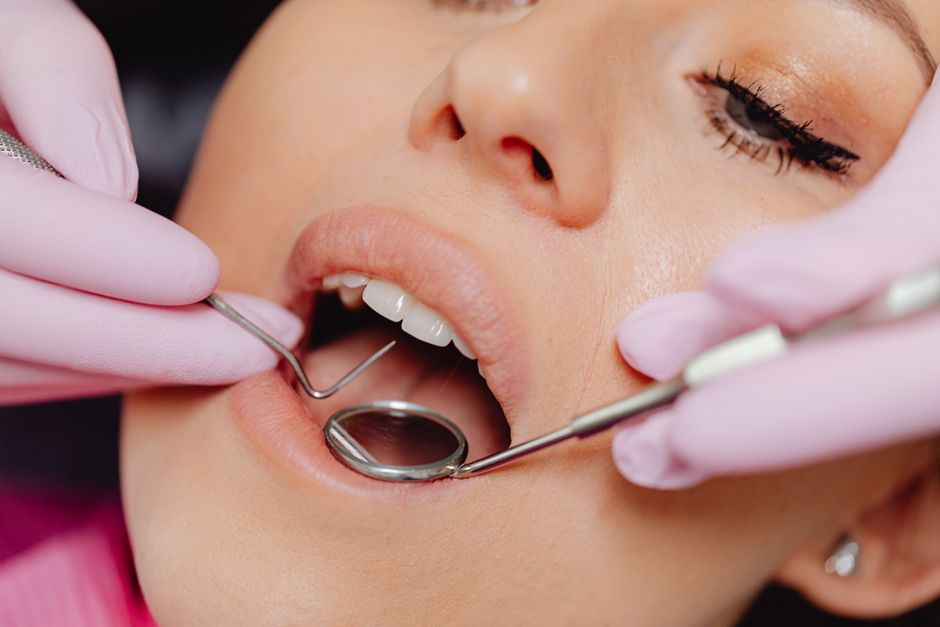
Photo: https://kaboompics.com/ / Pexels
Leukoplakia: Monitoring for Oral Cancer Risk
Leukoplakia is a pre-cancerous lesion characterised by thick, white patches that cannot be scraped off. While most cases remain benign, a small percentage (studies suggest 5–20%) may develop into oral squamous cell carcinoma, particularly if associated with smoking or heavy alcohol use. This underscores the importance of regular monitoring by an oral medicine specialist (Dental Clinics of North America, 2016).
During your consultation, we’ll assess the lesion’s appearance, growth pattern, and any associated symptoms. If dysplasia (abnormal cell changes) is suspected, a biopsy may be recommended for definitive diagnosis. Early intervention can prevent more serious complications, which is why proactive management is key. Our team stays updated with the latest guidelines, ensuring you receive the most effective care based on current evidence.
Next Steps: Book a Consultation Today
If you’re experiencing persistent red or white mouth lesions, don’t wait for them to resolve on their own. Early assessment by an oral medicine specialist can provide clarity, peace of mind, and—if needed—a tailored treatment plan. At Melbourne Oral Medicine, we combine expertise with compassionate care, offering both in-person and virtual consultations to suit your needs. Whether your symptoms are mild or concerning, our team is here to guide you through the process.
Ready to take the first step? Book a consultation today to discuss your symptoms with Dr. Suhaib Alqudah, a registered Oral Medicine Specialist with extensive experience in diagnosing and managing complex oral mucosal diseases. Your oral health matters, and we’re committed to supporting you every step of the way.





Add Comment