Oral Lichen Planus: What It Is and When to Seek Help.
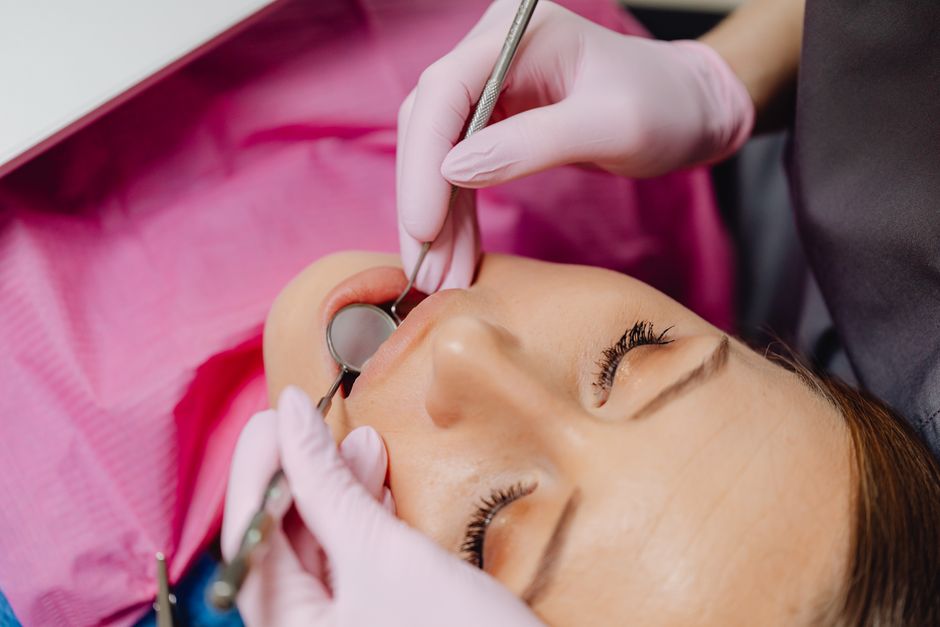
Photo: https://kaboompics.com/ / Pexels
Oral lichen planus (often called ‘oral lich’) is a chronic inflammatory condition affecting the mouth’s mucous membranes, causing discomfort and sometimes persistent sores. While it’s not cancerous, its symptoms can be distressing, and early diagnosis is key to managing flare-ups and preventing complications. If you’re experiencing persistent mouth changes or unexplained sores, a specialist Oral Medicine consultation—even online—can provide clarity and a personalised plan.
Dr Suhaib Alqudah, a Melbourne-based Oral Medicine Specialist with a PhD in oral lichen planus, has extensive experience diagnosing and treating this condition. His expertise spans complex oral mucosal diseases, including those linked to autoimmune responses or systemic health. Whether you’re a patient worried about persistent patches or a GP or dentist seeking guidance for a challenging case, telehealth consultations with Melbourne Oral Medicine offer secure, convenient access to expert care without unnecessary travel.
What Is Oral Lichen Planus?
Oral lichen planus is an autoimmune-mediated condition where the body’s immune system mistakenly attacks the cells lining the mouth, tongue, gums, or inner cheeks. This triggers chronic inflammation, leading to characteristic white or lacy patches (reticular form), red sores (erosive form), or burning sensations. It often appears as symmetrical white lines or network-like patterns (Wickham’s striae) on the inner cheeks or gums, though it can also present as painful ulcers or raw areas. Research highlights its association with other autoimmune diseases like thyroid disorders or vitiligo, as well as nutritional deficiencies (notably iron, vitamin B12, or zinc), which can worsen symptoms (Journal of the Formosan Medical Association, 2018; American Journal of Clinical Dermatology, 2024).
Common Symptoms to Watch For
The most frequent signs of oral lichen planus include:
Persistent white patches, lacy textures, or red, swollen areas in the mouth.
Painful ulcers or raw spots, particularly on the tongue, gums, or inner lips.
Burning, tingling, or a dry mouth sensation, sometimes described as ‘glove-and-sock’ numbness.
Difficulty eating or speaking due to tenderness.
Recurrent mouth sores that don’t heal within two weeks.
While these symptoms can mimic other conditions—such as candidiasis (thrush) or geographic tongue—oral lichen planus is typically not contagious and doesn’t spread to other people. However, its appearance can vary widely, which is why a specialist assessment is crucial for accurate diagnosis.
When Should You Seek Help?
If you’re experiencing any of the symptoms above—especially if they’re persistent, painful, or worsening—it’s important to seek evaluation. Red flags that warrant prompt attention include:
Sores that bleed, crust over, or fail to improve after two weeks of home care (e.g., salt rinses or topical anaesthetics).
Unusual changes in mouth colour, such as dark, velvety patches (which could indicate precancerous changes like leukoplakia).
Systemic symptoms like fatigue, weight loss, or other autoimmune signs (e.g., hair loss, dry eyes).
Difficulty swallowing or opening your mouth widely.
For GPs and dentists, oral lichen planus can be challenging to diagnose due to its variable presentation. A referral to an Oral Medicine Specialist—particularly via telehealth—allows for thorough triage, including blood tests for nutritional deficiencies or autoimmune markers, and guidance on whether a biopsy is needed. Early intervention can help manage symptoms and reduce the risk of complications like scarring or dental erosion.
How an Online Consultation Helps
Melbourne Oral Medicine offers secure, Australia-wide telehealth consultations to assess oral lichen planus and related conditions. During your virtual appointment with Dr Alqudah, you’ll receive:
Detailed symptom review: Discussion of your medical history, medications, and dietary factors that may contribute to flare-ups.
Visual assessment: High-quality photos of your mouth (if provided) to evaluate lesion patterns, colour, and location.
Guidance on investigations: Recommendations for blood tests (e.g., iron, vitamin B12, thyroid function) or salivary testing if dry mouth is a concern. Biopsy referral if needed for confirmation.
Personalised management plan: Evidence-based advice on topical treatments (e.g., corticosteroids), dietary adjustments, or referral to a rheumatologist if autoimmune triggers are suspected.
Avoiding unnecessary travel: No need for in-person visits unless a biopsy or advanced imaging (e.g., ultrasound for salivary glands) is required.
Telehealth is particularly valuable for patients in regional or rural areas, ensuring access to specialist care without delays. Dr Alqudah’s experience at institutions like the Royal Dental Hospital of Melbourne and Peter MacCallum Cancer Centre equips him to differentiate oral lichen planus from other conditions—such as oral cancer or lichenoid drug reactions—ensuring you receive the right care.
Managing Oral Lichen Planus: What to Expect
While there’s no cure for oral lichen planus, symptoms can often be controlled with a combination of:
Topical therapies: Low-dose corticosteroids (e.g., clobetasol gel) applied to affected areas to reduce inflammation (American Journal of Clinical Dermatology, 2024).
Dietary and lifestyle adjustments: Avoiding spicy, acidic, or rough foods that irritate the mouth; managing stress (as anxiety can exacerbate symptoms).
Nutritional supplementation: Addressing deficiencies in iron, vitamin B12, or zinc, which may worsen symptoms (Journal of the Formosan Medical Association, 2018).
Systemic management: For severe or erosive cases, oral or injectable corticosteroids may be considered under specialist supervision.
Regular follow-ups with Dr Alqudah ensure your treatment plan remains effective as symptoms or triggers evolve. His research background in oral lichen planus means he stays updated on the latest evidence, offering you the most current and compassionate care.
Question?
Can oral lichen planus turn into cancer?
While oral lichen planus itself is not cancerous, erosive or ulcerated forms—particularly if they don’t heal or persist—should be monitored closely. In rare cases, long-standing white patches (especially if velvety or thickened) may require a biopsy to rule out precancerous changes like leukoplakia or oral squamous cell carcinoma. Dr Alqudah will assess your specific case during consultation and recommend any necessary investigations.
Question?
Are there tests to confirm oral lichen planus?
Diagnosis is primarily clinical, based on your symptoms, mouth examination (in person or via photos), and medical history. Blood tests may be recommended to check for nutritional deficiencies or autoimmune markers. In ambiguous cases, a biopsy of the affected tissue—taken by your dentist or oral surgeon—can confirm the diagnosis by examining cells under a microscope. Telehealth consultations with Dr Alqudah help determine whether a biopsy is needed or if your symptoms align with known patterns of oral lichen planus.
Question?
How do I know if my mouth sores are something else?
Many conditions mimic oral lichen planus, including candidiasis (thrush), aphthous ulcers (canker sores), geographic tongue, or even early oral cancer. Key differences include:
Candidiasis: Creamy white patches that can be scraped off, often with a red border.
Aphthous ulcers: Single or clustered shallow sores with a yellow centre and red rim, typically healing within 1–2 weeks.
Oral cancer: Persistent white or red patches that bleed easily, particularly in smokers or heavy alcohol users.
A specialist consultation clarifies the diagnosis and ensures you receive the right treatment. If in doubt, always seek evaluation—early intervention improves outcomes.
If you’re experiencing persistent mouth changes or need guidance on oral lichen planus, Melbourne Oral Medicine’s telehealth consultations provide expert, compassionate care from a specialist with deep experience in this condition. Book an online assessment today to discuss your symptoms and receive a personalised treatment plan.




Add Comment