Oral Lichen Planus vs Recurrent Aphthous Ulcers: Key Differences.
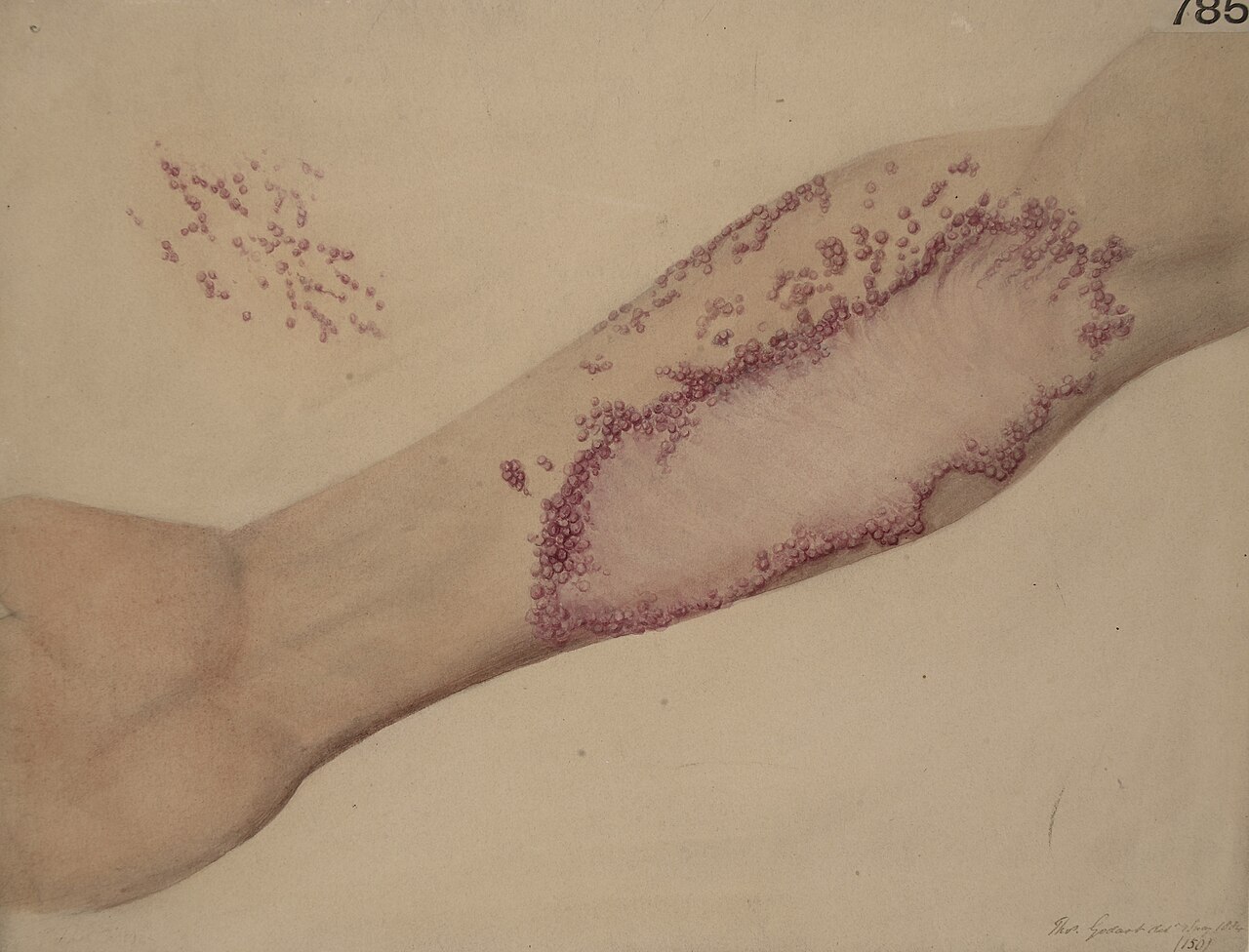
Image: Godart, Thomas · CC BY 4.0 · Wikimedia Commons
Oral lichen planus (OLP) and recurrent aphthous ulcers (canker sores) are two common oral mucosal conditions that can cause discomfort and concern. While both may present with mouth sores, their causes, appearances, and management differ significantly. If you’re experiencing persistent or unusual mouth ulcers, understanding these differences can help you seek the right care—whether through a secure online consultation with Melbourne Oral Medicine’s Dr Suhaib Alqudah, an expert in oral mucosal diseases.
Dr Alqudah, a registered Oral Medicine Specialist with a PhD in oral lichen planus from the University of Melbourne, has extensive experience diagnosing and managing complex oral conditions. His background at institutions like the Royal Dental Hospital of Melbourne and the Peter MacCallum Cancer Centre ensures patients receive evidence-based care. For those unsure whether their symptoms align with oral lichen planus or recurrent aphthous ulcers, a telehealth consultation can provide clarity without the need for unnecessary travel.
What Is Oral Lichen Planus?
Oral lichen planus is a chronic inflammatory condition affecting the mucous membranes, most commonly the inside of the cheeks, gums, tongue, and lips. It is classified as an autoimmune disorder, where the body’s immune system mistakenly attacks healthy cells in the mouth, leading to inflammation and characteristic lesions. Research highlights that oral lichen planus is often associated with systemic autoimmune diseases, such as thyroid disorders or rheumatoid arthritis, and may also be linked to certain medications or stress (Journal of the Formosan Medical Association, 2018; American Journal of Clinical Dermatology, 2024).
Unlike canker sores, oral lichen planus typically presents as persistent, white, lace-like patches (known as Wickham’s striae) or red, erosive areas. These lesions can be painful, especially when triggered by spicy food, acidic drinks, or dental restorations. In some cases, oral lichen planus may also cause burning sensations or a dry mouth feeling, which can further complicate diagnosis.
What Are Recurrent Aphthous Ulcers?
Recurrent aphthous ulcers, commonly referred to as canker sores, are small, shallow sores that develop in the mouth. They are usually round or oval with a white or yellow centre and a red border, and they tend to heal within 1–2 weeks without scarring. While the exact cause remains unclear, triggers often include stress, hormonal changes, dietary irritants (such as citrus or spicy foods), or minor oral trauma. Unlike oral lichen planus, recurrent aphthous ulcers are not typically associated with autoimmune activity but rather with localised immune responses (Dental Clinics of North America, 2023).
These ulcers are generally less severe than those seen in oral lichen planus and do not usually leave behind persistent white patches. However, severe or frequent outbreaks—especially if they last longer than three weeks or occur more than four times a year—may warrant further investigation to rule out underlying conditions like oral lichen planus or other mucosal diseases.
Key Differences Between Oral Lichen Planus and Recurrent Aphthous Ulcers
Distinguishing between oral lichen planus and recurrent aphthous ulcers involves examining several factors, including lesion appearance, persistence, and associated symptoms. Below are some critical differences:
Appearance: Oral lichen planus often presents as white, lace-like (reticular) patches, red erosive lesions, or a combination of both. Recurrent aphthous ulcers appear as isolated, round or oval sores with a yellowish centre and red border.
Persistence: Oral lichen planus lesions are typically chronic and may not fully resolve without treatment. In contrast, recurrent aphthous ulcers usually heal within 1–2 weeks.
Triggers: Oral lichen planus may be linked to autoimmune activity, medications, or stress over time. Recurrent aphthous ulcers are often triggered by local irritants or acute stress.
Pain and Discomfort: While both conditions can cause pain, oral lichen planus may lead to persistent burning or a dry mouth sensation, whereas recurrent aphthous ulcers are usually more acute and localized.
If you’re unsure which condition you may have—or if your symptoms don’t fit neatly into either category—a secure online consultation with Dr Alqudah can help clarify the diagnosis. Through telehealth, he can assess your oral health, review medical history, and determine whether further testing—such as blood work, imaging, or a biopsy—is needed to rule out other conditions.
When Should You Seek Help?
While minor mouth ulcers or occasional canker sores may not require immediate attention, certain red flags indicate the need for professional evaluation. Seek advice from an Oral Medicine specialist if you experience:
Lesions that last longer than three weeks or recur frequently (more than four times a year).
Severe pain, difficulty eating or drinking, or lesions that interfere with daily activities.
Associated symptoms such as dry mouth, altered taste, or systemic conditions like fatigue or joint pain.
Lesions that bleed easily, fail to heal, or show signs of infection (e.g., pus, foul odour).
Early diagnosis and management are crucial, particularly for oral lichen planus, as untreated cases may progress or be linked to systemic health issues. Through telehealth, Melbourne Oral Medicine offers a convenient way to access specialist care without the need for in-person visits, ensuring timely and accurate triage.
How an Online Oral Medicine Consultation Helps
For patients across Australia, a secure video consultation with Dr Alqudah provides a straightforward way to discuss persistent oral symptoms. During the session, he will:
Review your medical and dental history to identify potential triggers or underlying conditions.
Assess the appearance, location, and persistence of your lesions using high-quality images you can share securely.
Determine whether additional testing—such as blood tests for autoimmune markers, salivary function tests, or a biopsy—is required for a definitive diagnosis.
Provide personalised advice on management options, including topical treatments, dietary adjustments, or referrals to other specialists if needed.
This approach minimises unnecessary travel while ensuring you receive expert care tailored to your needs. Whether you’re a worried patient or a referring GP seeking clarity, telehealth consultations offer a practical solution for managing oral mucosal diseases.
FAQ
Can oral lichen planus be cured?
While there is no definitive cure for oral lichen planus, it can often be managed effectively with treatments aimed at reducing inflammation and controlling symptoms. These may include topical corticosteroids, oral rinses, or systemic medications in more severe cases. Regular monitoring and adjustments to treatment plans are key to long-term management.
Are recurrent aphthous ulcers contagious?
No, recurrent aphthous ulcers are not contagious. They are not caused by viruses or bacteria and cannot be spread through contact with others. However, certain triggers—such as stress or dietary irritants—may contribute to their development.
What should I do if my mouth ulcers don’t heal after two weeks?
If your mouth ulcers persist beyond two weeks or if they recur frequently, it’s important to consult an Oral Medicine specialist. Persistent ulcers could indicate conditions like oral lichen planus, infections, or other underlying health issues that require professional evaluation. A telehealth consultation with Dr Alqudah can provide the guidance you need.




Add Comment