Oral Cancer Research: What It Means for Early Detection.
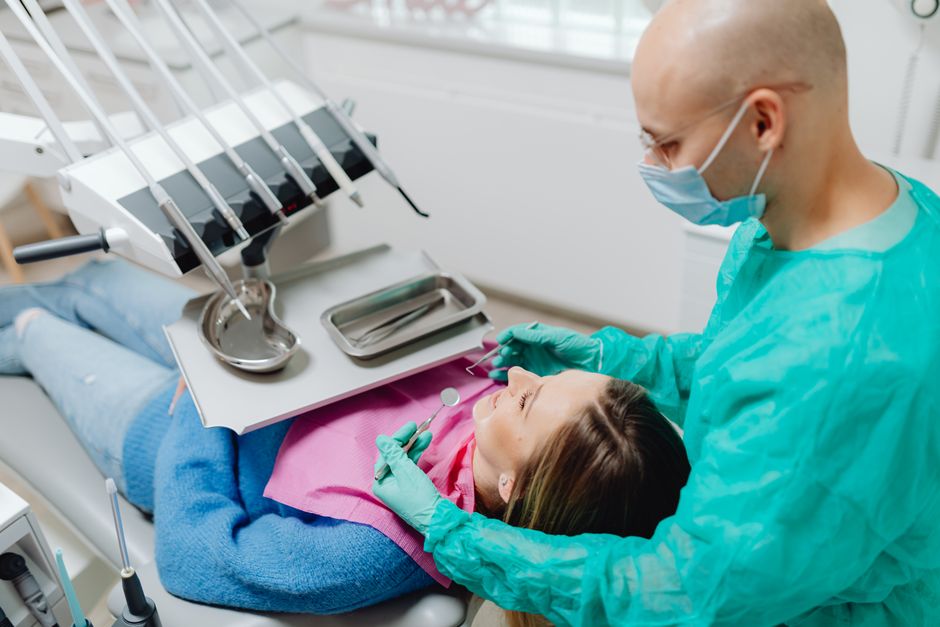
Photo: https://kaboompics.com/ / Pexels
Recent scientific discoveries about the early stages of oral cancer are offering new insights into how the body’s immune response may play a role in disease development. Research published in Nature Communications highlights the involvement of complex cellular pathways—such as p53–RB signaling and the cGAS–STING pathway—in triggering immune activation during the earliest phases of oral cancer. While this research is still in its early stages, it underscores the importance of early detection and proactive monitoring for those at risk.
At Melbourne Oral Medicine, we specialise in diagnosing and managing oral health concerns, including suspicious lesions and potential early signs of oral cancer. Our approach combines advanced telehealth consultations with evidence-based care, ensuring you receive expert assessment without unnecessary travel. If you’re concerned about persistent changes in your mouth or have risk factors for oral cancer, our team can help guide you through the next steps—whether that’s further testing, referral, or reassurance.
What Is Oral Cancer?
Oral cancer refers to malignant tumours that develop in the tissues of the mouth, including the lips, gums, cheeks, tongue, and floor of the mouth. It can arise from squamous cells lining these areas and is often linked to risk factors such as tobacco use, excessive alcohol consumption, human papillomavirus (HPV) infection, or chronic irritation from poorly fitting dental appliances. Early-stage oral cancer may not always cause noticeable symptoms, which is why regular dental check-ups and awareness of changes in your mouth are critical.
Common Symptoms and Red Flags
While some symptoms of oral cancer are subtle, others are concerning and warrant immediate attention. These include:
Photo: https://kaboompics.com/ / Pexels
A persistent sore, lump, or thickened area in the mouth that doesn’t heal within two weeks.
Red or white patches on the gums, tongue, or lining of the mouth (these are sometimes called leukoplakia or erythroplakia and can be precancerous).
Unexplained bleeding in the mouth, particularly from gums or lesions.
Difficulty swallowing, speaking, or moving the jaw.
Numbness, pain, or tenderness in any part of the mouth or face.
A persistent sore throat or feeling that something is caught in the throat.
If you notice any of these symptoms—especially if they persist—it’s important to seek evaluation. While not all changes are cancerous, early detection significantly improves treatment outcomes.
When Should You Seek Help?
You should consult an oral medicine specialist if you experience any of the red flags listed above, particularly if the symptoms have lasted for more than two weeks or are worsening. Research like the recent study on p53–RB signaling and immune activation highlights how early molecular changes can occur before symptoms appear. This reinforces the idea that proactive monitoring is key, especially for individuals with known risk factors such as:
History of tobacco or alcohol use.
HPV infection (particularly oral HPV strains).
A family history of oral or head and neck cancer.
Chronic irritation from dental appliances or poor oral hygiene.
Our telehealth consultations allow you to discuss your concerns with Dr Suhaib Alqudah, a specialist in oral medicine with extensive experience in diagnosing complex oral conditions. He can assess your symptoms, recommend further testing if needed, and provide a clear path forward—all from the comfort of your home.
How Telehealth Consultations Help with Diagnosis and Triage
At Melbourne Oral Medicine, we use secure video consultations to assess suspicious oral lesions, persistent ulcers, or unexplained changes in your mouth. During your telehealth appointment, Dr Alqudah will:
Photo: https://kaboompics.com/ / Pexels
Review your medical history and symptoms in detail.
Examine high-quality images or videos you’ve provided of the affected area (if safe and feasible).
Determine whether further testing—such as a biopsy, blood tests, or imaging—is required.
Offer reassurance if your symptoms are likely benign or refer you to the appropriate specialist for further evaluation.
Provide guidance on oral hygiene, risk reduction, and follow-up care.
This approach minimises unnecessary travel while ensuring you receive timely and accurate triage. If a biopsy or other diagnostic procedure is needed, we can coordinate this with local healthcare providers to streamline your care.
FAQ
Question: Should I be worried if I have a persistent sore in my mouth?
While many persistent sores are harmless (such as canker sores or minor irritations), any sore that lasts longer than two weeks or doesn’t improve with home care should be evaluated. Early detection is crucial for conditions like oral cancer, so it’s always better to have it checked out rather than wait. Our telehealth consultations make this process quick and convenient.
Question: What tests might be recommended if my symptoms are concerning?
Depending on your symptoms and risk factors, Dr Alqudah may recommend further testing such as a biopsy (to examine tissue under a microscope), blood tests (to check for infections or nutritional deficiencies), or imaging (such as a panoramic X-ray or CT scan). These tests help rule out serious conditions and guide treatment if needed.
Question: Can telehealth replace an in-person examination for oral cancer screening?
Telehealth is an excellent tool for initial assessment and triage, especially for patients who may live in remote areas or have mobility concerns. However, if an in-person examination—such as a biopsy or detailed clinical assessment—is required, we will coordinate this with your local dentist or specialist. Our goal is to ensure you receive the most appropriate care, whether that’s remotely or in person.


Add Comment