New Research Insights into Oral Cancer Risk: What It Means For You.
Image: Porcellato I, Brachelente C, Guelfi G, Reginato A, Sforna M,... · CC BY 4.0 · Wikimedia Commons
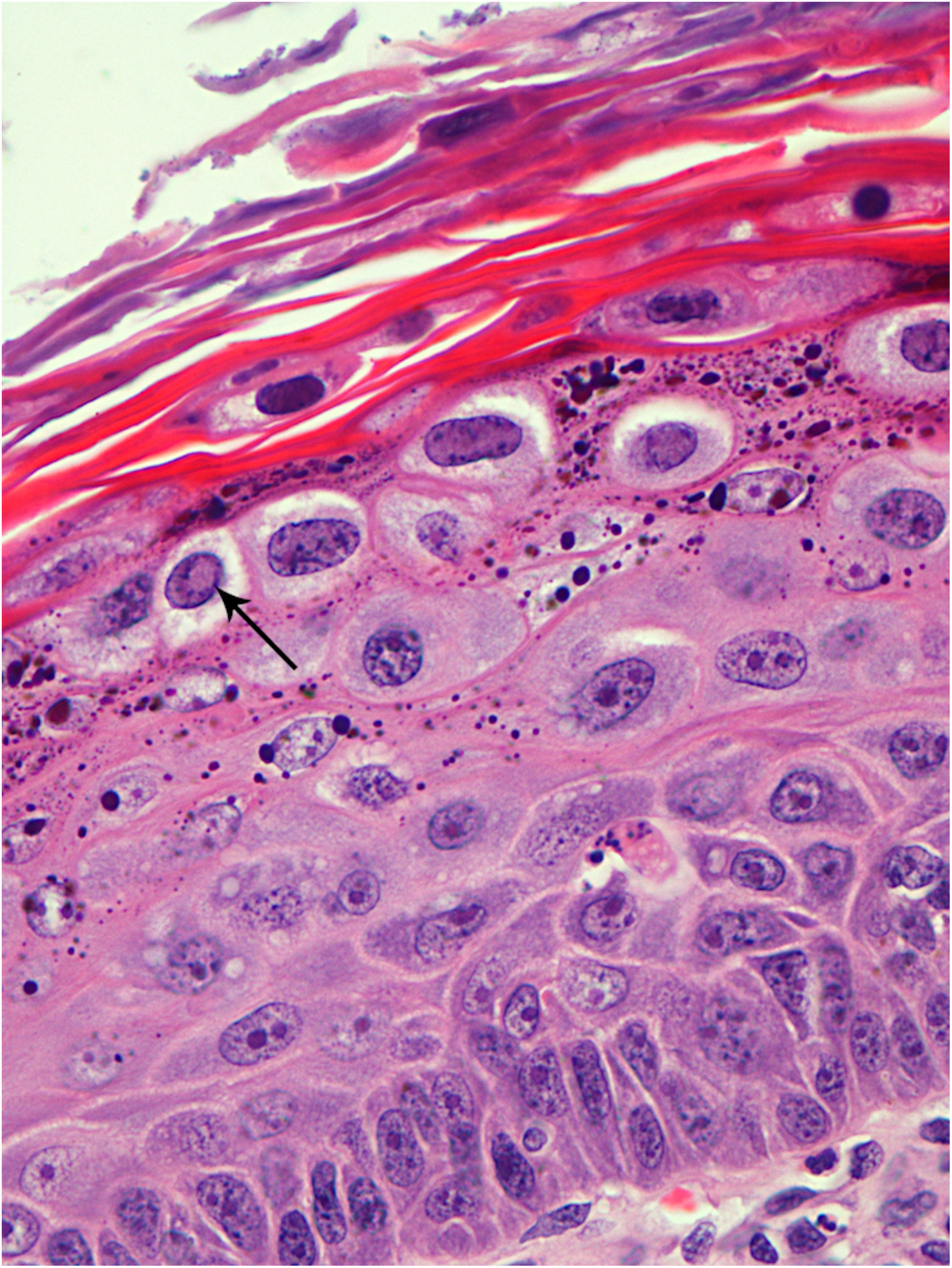
Medical research constantly advances our understanding of complex diseases. A recent study, for example, has explored the oncogenic and immunomodulatory functions of SUV420H1 in HPV-negative head and neck squamous cell carcinoma, shedding light on the intricate mechanisms behind this challenging condition. While such scientific findings are highly detailed, their ultimate purpose is to improve patient care and outcomes.
For patients and referring healthcare professionals across Australia, understanding these developments means recognising the ongoing commitment to better diagnostics and treatments for oral cancer. At Melbourne Oral Medicine and Facial Pain Centre, Dr. Suhaib Alqudah, a registered Oral Medicine Specialist with a PhD in Oral Lichen Planus from the University of Melbourne and experience at the Peter MacCallum Cancer Centre, focuses on specialist care for complex oral and maxillofacial conditions, including those involving cancer risk. Our secure video (telehealth) consultations make expert assessment accessible Australia-wide, helping to triage and manage your concerns without unnecessary travel.
Understanding Oral Cancer and Its Risks
Oral cancer, predominantly squamous cell carcinoma, can affect any part of the mouth, throat, and lips. While some forms are linked to Human Papillomavirus (HPV), a significant number, like those explored in research on HPV-negative head and neck squamous cell carcinoma, develop independently of HPV infection. Traditional risk factors such as smoking, excessive alcohol consumption, and prolonged sun exposure remain critical. However, it's vital to remember that oral cancer can sometimes occur in individuals with no known risk factors. Research into specific genetic and cellular pathways, such as the SUV420H1 study (Nature, 2026), helps us understand these diverse origins, aiming to develop more targeted prevention and treatment strategies.
Recognising Warning Signs in Your Mouth
Early detection is paramount in improving outcomes for oral cancer. Knowing what to look for can be life-saving. Common symptoms and 'red flags' that warrant specialist attention include:
A sore or ulcer in the mouth that doesn't heal within two to three weeks.
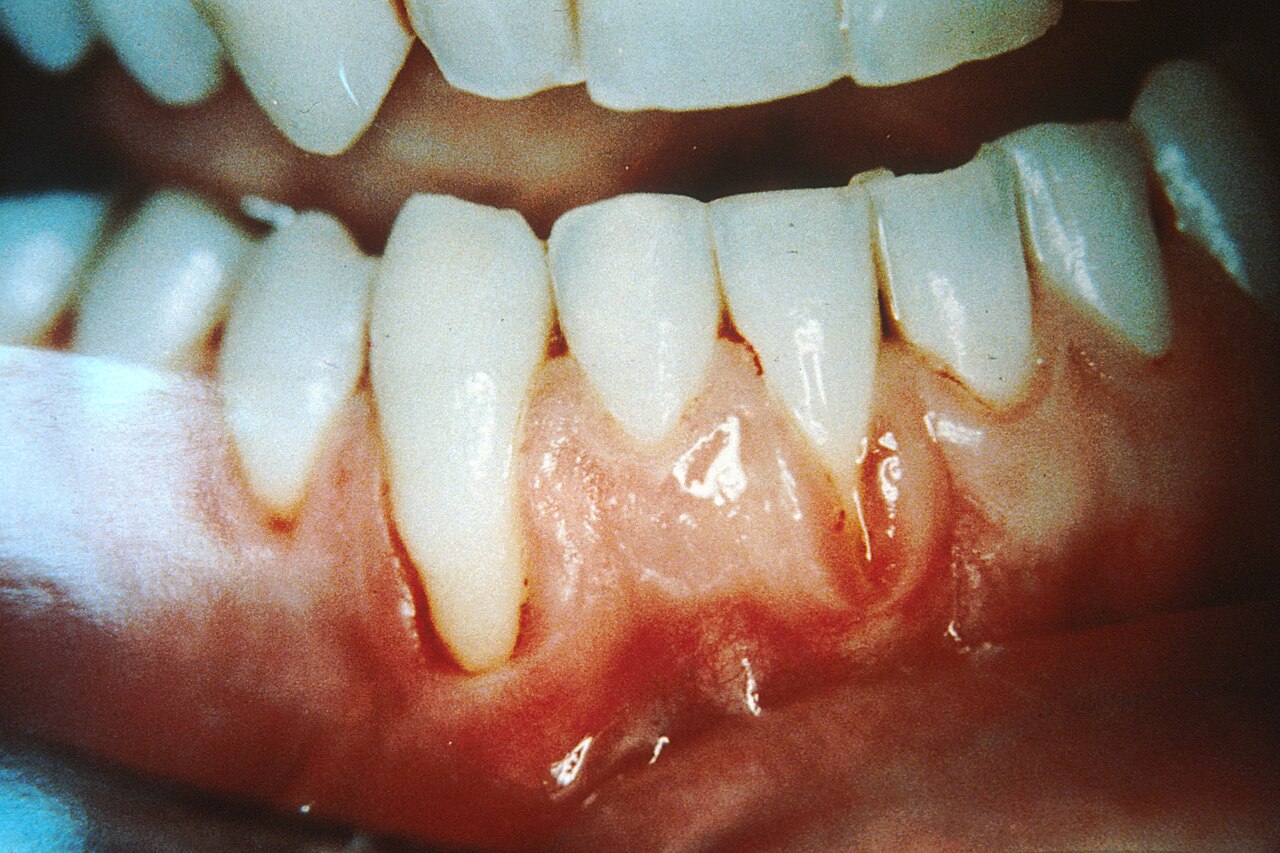
Red or white patches (erythroplakia or leukoplakia) on the gums, tongue, or lining of the mouth.
A lump or thickening in the cheek or neck.
Difficulty chewing, swallowing, or moving the tongue or jaw.
Persistent sore throat or hoarseness.
Numbness in any area of the mouth or face.
Unexplained bleeding in the mouth.
If you notice any of these persistent changes, it's crucial to seek professional advice promptly. While many oral lesions are benign, a specialist evaluation is essential to rule out anything serious.
The Specialist Role in Diagnosis and Triage
An Oral Medicine Specialist plays a critical role in evaluating suspicious oral lesions and managing conditions with malignant potential. Dr. Alqudah's expertise, honed through his PhD research on Oral Lichen Planus and his experience at specialist cancer centres, allows for a thorough assessment. Conditions like Oral Lichen Planus, for instance, require careful monitoring due to their potential for malignant transformation, as highlighted in studies on its diagnosis and management (Journal of the Formosan Medical Association, 2018; American Journal of Clinical Dermatology, 2024). During an online consultation, Dr. Alqudah can assess your symptoms, review images, and provide initial guidance. This remote assessment helps to determine if further investigations are needed, such as blood tests, imaging, or a biopsy. For referring GPs and dentists, our teleconsultations offer a streamlined pathway for specialist opinion, ensuring your patients receive timely and appropriate care, avoiding unnecessary delays or travel.
Image: Unknown photographer · Public domain · Wikimedia Commons
Beyond Cancer: Comprehensive Oral Medicine Care
It's important to remember that not all concerning oral symptoms indicate cancer. Oral Medicine encompasses a wide range of conditions that require specialist diagnosis and management. For example, persistent dry mouth (xerostomia) can be a symptom of various underlying health issues (Advances in clinical and experimental medicine, 2016) and significantly impact quality of life, often requiring medical management (Oral and maxillofacial surgery clinics of North America, 2022). Similarly, burning mouth syndrome, a complex condition causing chronic oral burning sensations (Dermatologic clinics, 2020; Dental clinics of North America, 2023), and temporomandibular joint (TMJ) disorders causing jaw pain and dysfunction (Dental clinics of North America, 2016; International journal of molecular sciences, 2022) are also key areas of Dr. Alqudah's expertise. Whether your concern is a suspicious lesion or a chronic oral pain condition, a specialist Oral Medicine consultation provides the clarity and guidance you need.
FAQ
What should I do if I find a suspicious spot in my mouth?
If you notice any unusual changes, such as a persistent sore, a red or white patch, or a lump in your mouth or throat that doesn't resolve within two to three weeks, it's important to seek professional medical advice. Your GP or dentist can provide an initial assessment, and if they have concerns, they may refer you to an Oral Medicine Specialist for further evaluation.
How does an online Oral Medicine consultation work for potential cancer concerns?
During an online consultation with Melbourne Oral Medicine, Dr. Alqudah will discuss your symptoms, medical history, and may ask you to provide clear photos or videos of the affected area. Based on this detailed assessment, he can provide an expert opinion, offer reassurance, and guide you on the next steps, which may include recommending specific blood tests, imaging, a biopsy, or a referral to another specialist, all while minimising the need for immediate travel.
Are all oral lesions serious?
No, many oral lesions are benign and not serious. However, it's impossible to tell without a professional examination. An Oral Medicine Specialist has the expertise to differentiate between harmless conditions and those that require further investigation or monitoring, ensuring you receive an accurate diagnosis and appropriate management plan.
Understanding the latest research, recognising warning signs, and seeking timely specialist care are crucial for maintaining optimal oral health. If you or your patient has a persistent oral concern or a suspicious lesion, an expert assessment can provide peace of mind and guide the best course of action. Dr. Suhaib Alqudah and the team at Melbourne Oral Medicine are here to help.
Reference: Oncogenic and immunomodulatory functions of SUV420H1 in HPV-negative head and neck squamous cell carcinoma. Nature Communications17, 9236 (2026).




Add Comment