New Brain Repair Treatment: What It Means for Patients.
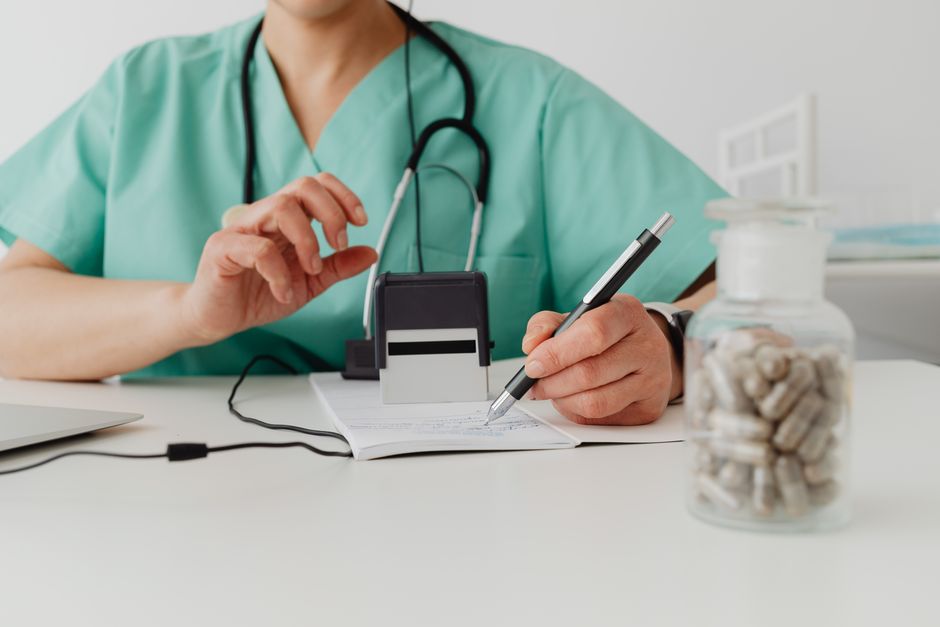
Photo: Ann H / Pexels
Recent advancements in medical research offer a glimmer of hope for individuals experiencing neurological challenges, particularly following events like a stroke. While Melbourne Oral Medicine focuses on oral health and facial pain, we believe in keeping our patients and referring colleagues informed about significant medical breakthroughs that could impact overall well-being. A new injectable treatment is showing promise in helping the brain to rebuild and recover, a development that could profoundly affect many lives.
Understanding Brain Rebuilding After Injury
The brain possesses an incredible capacity for adaptation and repair, a concept known as neuroplasticity. However, after an injury such as a stroke, the brain's ability to rewire itself can be significantly impaired. This can lead to a range of functional deficits, affecting everything from movement and speech to cognitive abilities. Traditionally, rehabilitation has focused on maximising the use of remaining healthy brain areas and compensating for lost function. The emergence of treatments aimed at actively promoting the brain's own repair mechanisms represents a significant shift in our approach to neurological recovery.
The Promise of Injectable Therapies
The recent news regarding a new injectable treatment that aids the brain in rebuilding after a stroke is particularly exciting. While the specifics of this treatment are still under investigation and are not directly related to oral medicine, the principle behind it – stimulating the brain's innate repair processes – is groundbreaking. Such therapies often involve delivering specific molecules or cells that can support the growth of new neural connections or protect existing brain tissue. This could potentially lead to more substantial functional recovery than previously possible, offering a renewed sense of hope for patients and their families.
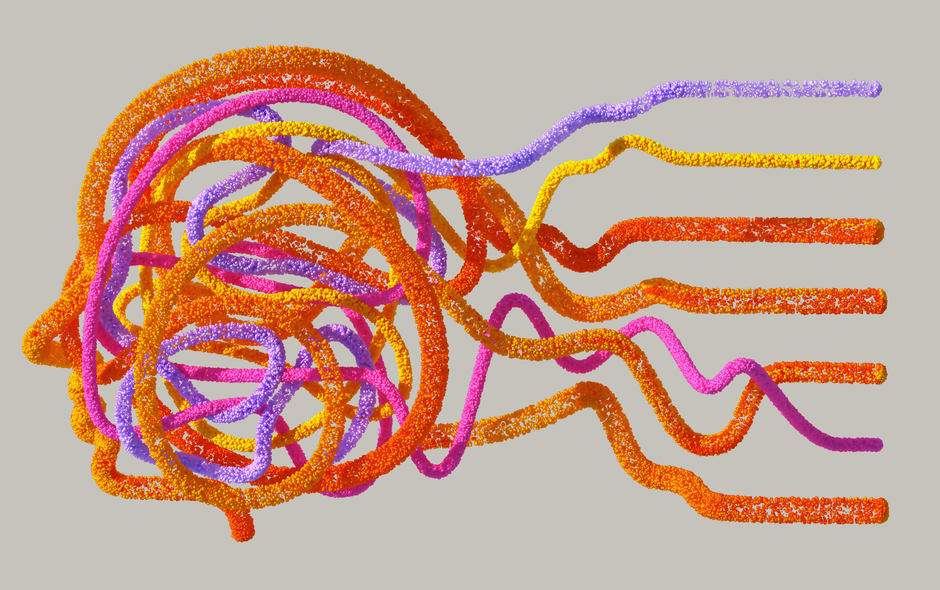
Photo: Google DeepMind / Pexels
What This Means for Patients and When to Seek Help
For patients who have experienced a stroke or are living with other neurological conditions affecting brain function, this type of advancement is incredibly significant. It suggests a future where recovery might be more complete and faster. While this specific treatment is still in its developmental stages, it underscores the rapid progress being made in neuroscience. It is crucial for individuals experiencing any concerning neurological symptoms, such as sudden numbness or weakness, confusion, trouble speaking, or severe headache, to seek immediate medical attention. Early intervention is key in managing neurological events and optimising long-term outcomes.
How Oral Medicine Connects to Overall Health
At Melbourne Oral Medicine, our expertise lies in diagnosing and managing conditions affecting the mouth, jaws, and face. While our services might seem distinct from neurological recovery, maintaining optimal oral health is integral to overall well-being. Conditions like dry mouth (xerostomia), often a side effect of medications or systemic diseases, can impact nutrition and comfort, indirectly affecting a patient's general health and recovery. Similarly, chronic facial pain, such as temporomandibular disorders (TMD) or burning mouth syndrome, can significantly diminish quality of life and may sometimes be linked to neurological pathways or systemic conditions. Our specialist, Dr Suhaib Alqudah, is highly skilled in managing these complex oral and facial issues, providing expert care and guidance.
Accessing Specialist Care Through Telehealth
Navigating the healthcare system, especially when dealing with complex conditions or seeking specialist opinions, can be challenging. Melbourne Oral Medicine offers secure, Australia-wide video (telehealth) consultations, making specialist oral medicine care accessible from the comfort of your home. Whether you are experiencing persistent mouth ulcers, oral mucosal disease, jaw pain, burning mouth sensations, or dry mouth, an online consultation can provide an accurate triage. Dr Alqudah can assess your symptoms, discuss potential causes, and recommend appropriate next steps, which may include blood tests, imaging, a biopsy, or referral to other specialists, all while avoiding unnecessary travel.
Photo: Tara Winstead / Pexels
Consultation and Next Steps
While the exciting new injectable treatments for brain repair are still emerging, the continuous innovation in medicine highlights the importance of staying informed and seeking expert advice. If you have concerns about your oral health, facial pain, or how your oral condition might be impacting your overall health, we encourage you to book a teleconsultation with Dr Suhaib Alqudah. Our aim is to provide clear, reassuring, and evidence-based care tailored to your individual needs.
Frequently Asked Questions
What is neuroplasticity?
Neuroplasticity refers to the brain's remarkable ability to reorganise itself by forming new neural connections throughout life. This allows the brain to adapt to new experiences, learn new information, and compensate for injury or disease.
Can oral health affect brain function?
While not directly causing stroke, poor oral health can contribute to systemic inflammation, which is a risk factor for various health issues, including cardiovascular disease that can lead to stroke. Conditions like severe gum disease have been linked to an increased risk of stroke. Furthermore, chronic oral pain can impact overall well-being and quality of life, indirectly affecting a person's general health status.
What is the role of an Oral Medicine Specialist?
An Oral Medicine Specialist diagnoses and manages a wide range of conditions affecting the soft tissues of the mouth, jaws, and face. This includes conditions like oral lichen planus, mouth ulcers, burning mouth syndrome, dry mouth, temporomandibular disorders (TMD), and orofacial pain. They are also involved in the oral care of medically complex patients, including those undergoing cancer treatment.
Reference: ScienceDaily. (2026, September 26). New injectable treatment helps the brain rebuild after stroke. Retrieved from https://www.sciencedaily.com/releases/2026/09/260902234512.htm



Add Comment