New Blood Test Tech for Esophageal Diseases: What it Means for You.
Photo: https://kaboompics.com/ / Pexels
Recent advancements in medical research are exploring innovative ways to diagnose diseases, and a particularly exciting development involves a new blood test technology that uses plasma autoantibody profiling with PhIP-seq and machine learning for the diagnosis of esophageal conditions. While this groundbreaking research is still in its early stages and not yet widely available for clinical use, it holds significant promise for the future of diagnostic medicine, potentially impacting how we approach certain oral and systemic health concerns. At Melbourne Oral Medicine, we stay abreast of such developments, as they can inform our understanding and management of conditions affecting the mouth and face, which are often linked to broader systemic health.
Understanding Autoantibodies and Esophageal Diseases
Autoantibodies are proteins produced by your immune system that mistakenly attack your own body's tissues. When these autoantibodies target parts of the esophagus, they can contribute to various inflammatory and autoimmune conditions affecting this crucial part of the digestive tract. Conditions like eosinophilic esophagitis (EoE) and certain autoimmune gastrointestinal disorders can manifest with a range of symptoms, some of which may have oral manifestations. Understanding the underlying immune response, as explored by this new research, is key to developing more accurate and timely diagnostic tools.
The Promise of PhIP-seq and Machine Learning
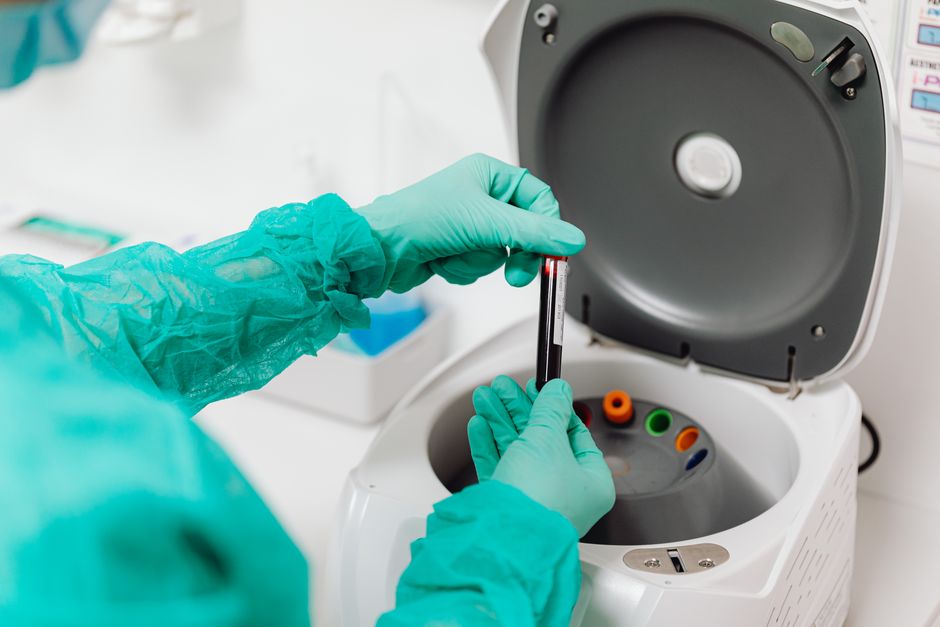
The innovative approach described in recent industry news utilises a technique called PhIP-seq (phage-display immunoprecipitation sequencing) combined with machine learning algorithms. PhIP-seq allows researchers to rapidly screen for a vast number of autoantibodies present in a blood sample. Machine learning then analyses these complex patterns to identify specific signatures that correlate with particular diseases. This sophisticated method aims to detect disease markers earlier and more accurately than traditional diagnostic methods, potentially reducing the need for invasive procedures and speeding up the diagnostic process. For patients, this could mean quicker answers and a more streamlined path to appropriate treatment.
Photo: Müca 🇩🇪 / Pexels
How This Relates to Oral Medicine
While the primary focus of this research is on esophageal diseases, the principles of identifying autoantibody profiles are highly relevant to Oral Medicine. Conditions such as oral lichen planus, for instance, are often considered autoimmune in nature, and research continues to explore the role of autoantibodies in their development and progression. Dr. Suhaib Alqudah, a registered Oral Medicine Specialist with a PhD in oral lichen planus, understands the intricate links between oral health and systemic conditions. Advances in diagnostic technologies, even those initially developed for other areas, can offer insights that refine our approach to diagnosing and managing complex oral mucosal diseases and orofacial pain. For example, understanding systemic autoimmune markers might indirectly inform the management of conditions like burning mouth syndrome or dry mouth, which can be associated with systemic autoimmune diseases.
What This Means for Patients and When to Seek Help
For patients experiencing persistent symptoms in their mouth or face, such as ulcers, unexplained lesions, burning sensations, or jaw pain, it's crucial to seek professional assessment. While the PhIP-seq technology is still emerging, the underlying principle of advanced diagnostics underscores the importance of seeking expert evaluation for concerning symptoms. Red flags include persistent, non-healing sores, unexplained lumps or patches in the mouth, significant and unexplained dry mouth, or chronic facial pain. Early detection and accurate diagnosis are paramount for effective management and improved outcomes. If you have concerns about your oral health, particularly if you have a history of autoimmune conditions or other systemic illnesses, an online consultation can be a valuable first step.
Your Online Oral Medicine Consultation
At Melbourne Oral Medicine, we offer secure video consultations Australia-wide, providing a convenient and accessible way to address your concerns. During an online consultation with Dr. Alqudah, we can discuss your symptoms, medical history, and any relevant investigations. We can help triage your concerns, determine if further tests like blood work or imaging are needed, or if a biopsy or referral to another specialist is appropriate. This approach helps avoid unnecessary travel and provides reassurance while ensuring you receive expert care tailored to your needs. We are committed to providing evidence-based care, drawing on the latest research to inform our practice.
Photo: https://kaboompics.com/ / Pexels
Frequently Asked Questions
Is this new blood test available now?
The PhIP-seq and machine learning technology for diagnosing esophageal diseases is currently a research advancement and not yet widely available for routine clinical use. However, it represents a significant step forward in diagnostic capabilities.
How can an online consultation help with my oral symptoms?
An online consultation allows for a thorough discussion of your symptoms and medical history with a specialist. It helps in initial assessment, triage, and planning for further investigations, potentially avoiding the need for immediate in-person visits and providing timely guidance and reassurance.
What are the signs that I should see an oral medicine specialist?
You should consider seeing an oral medicine specialist for persistent mouth ulcers, unexplained white or red patches, burning sensations in the mouth, dry mouth, jaw pain, or any other concerning changes in your oral tissues that do not resolve quickly.
Reference: S. S. J. A. S. et al. Plasma autoantibody profiling via PhIP-seq and machine learning for diagnosis of esophageal diseases. Nat Commun 17, 7755 (2026).





Add Comment