Navigating Maxillofacial Rehabilitation with 3D-Printed Prosthetics.
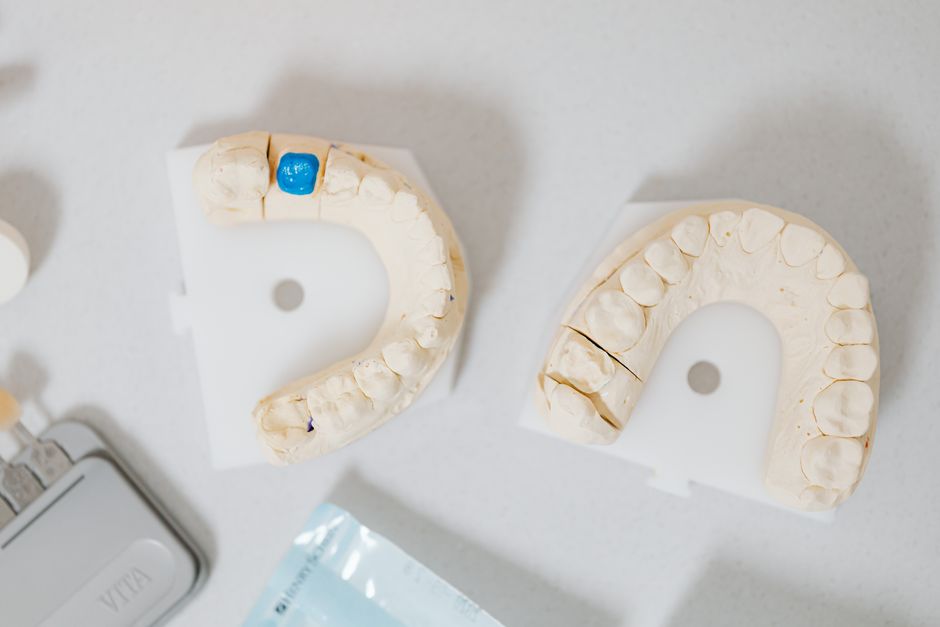
Photo: https://kaboompics.com/ / Pexels
Maxillofacial defects, often resulting from trauma, disease, or cancer surgery, can significantly impact a person's ability to speak, eat, and maintain facial aesthetics. The journey to recovery often involves complex rehabilitation, with advancements in technology like 3D-printed prosthetic rehabilitation offering new hope. These custom-made prosthetics aim to restore function and appearance, but the success of this rehabilitation can be influenced by the nature of the defect itself. At Melbourne Oral Medicine, we understand the intricate challenges faced by patients undergoing such rehabilitation and offer specialist support.
Understanding Maxillofacial Defects and Rehabilitation
Maxillofacial defects refer to any loss or absence of tissue in the face, jaws, or oral cavity. These can range from minor to extensive, affecting bone, muscle, and skin. The primary goal of rehabilitation is to restore the patient's quality of life by improving function, such as chewing and speaking, and enhancing facial appearance. Traditional methods have long been used, but the advent of 3D printing has revolutionised the creation of highly customised prostheses, offering a more precise fit and potentially better outcomes for patients.
The Role of 3D-Printed Prosthetics in Reconstruction
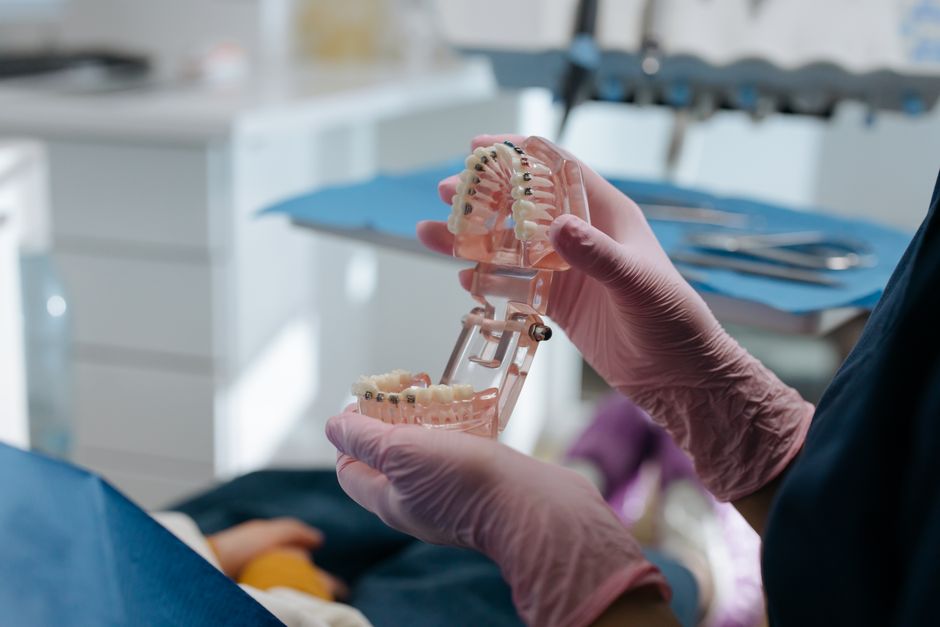
Photo: cottonbro studio / Pexels
Three-dimensional printing technology allows for the creation of incredibly detailed and personalised prosthetics tailored to each patient's unique anatomy. This precision is vital for defects in the maxillofacial region, where even small discrepancies can lead to discomfort, functional issues, or an unnatural appearance. While 3D-printed prosthetics represent a significant leap forward, research continues to explore how various factors, including the specific characteristics of the post-resection defect, influence the long-term success of these rehabilitative efforts. This ongoing study helps clinicians understand how to optimise patient outcomes in this complex field. (Source: Impact of post-resection maxillofacial defects on outcomes of 3D-printed prosthetic rehabilitation, Nature, 2026)
Navigating Challenges: When to See an Oral Medicine Specialist
Despite the advancements in prosthetic technology, patients undergoing maxillofacial rehabilitation may encounter various oral health challenges. Persistent discomfort, difficulty with the fit or function of a prosthesis, or changes in the surrounding oral tissues are common concerns. For instance, patients, especially those who have undergone radiation therapy, frequently experience dry mouth (xerostomia), which can significantly impact the comfort and retention of prosthetics. Managing xerostomia is a crucial aspect of improving quality of life in these patients. Another common issue is chronic orofacial pain, which can arise from altered anatomy, nerve damage, or muscle dysfunction post-surgery. An Oral Medicine specialist can help diagnose and manage these complex pain conditions, including those that might relate to temporomandibular disorders (TMJ). Red flags that warrant specialist assessment include persistent pain, unusual swelling, changes in the oral lining, difficulty eating or speaking, or any signs of infection around the prosthetic area. These symptoms suggest it's time to seek expert evaluation.
Comprehensive Care Through Telehealth
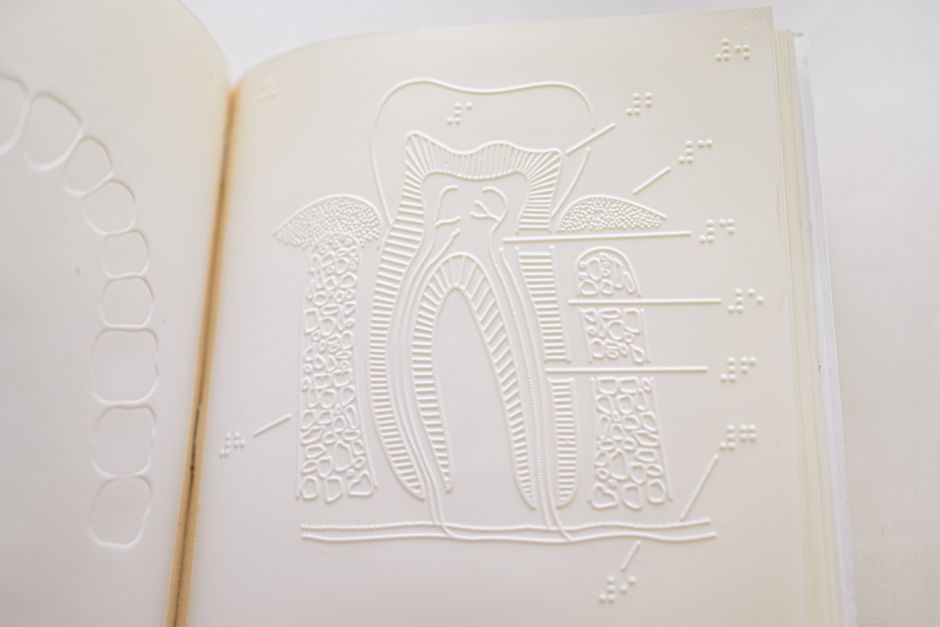
Photo: Yan Krukau / Pexels
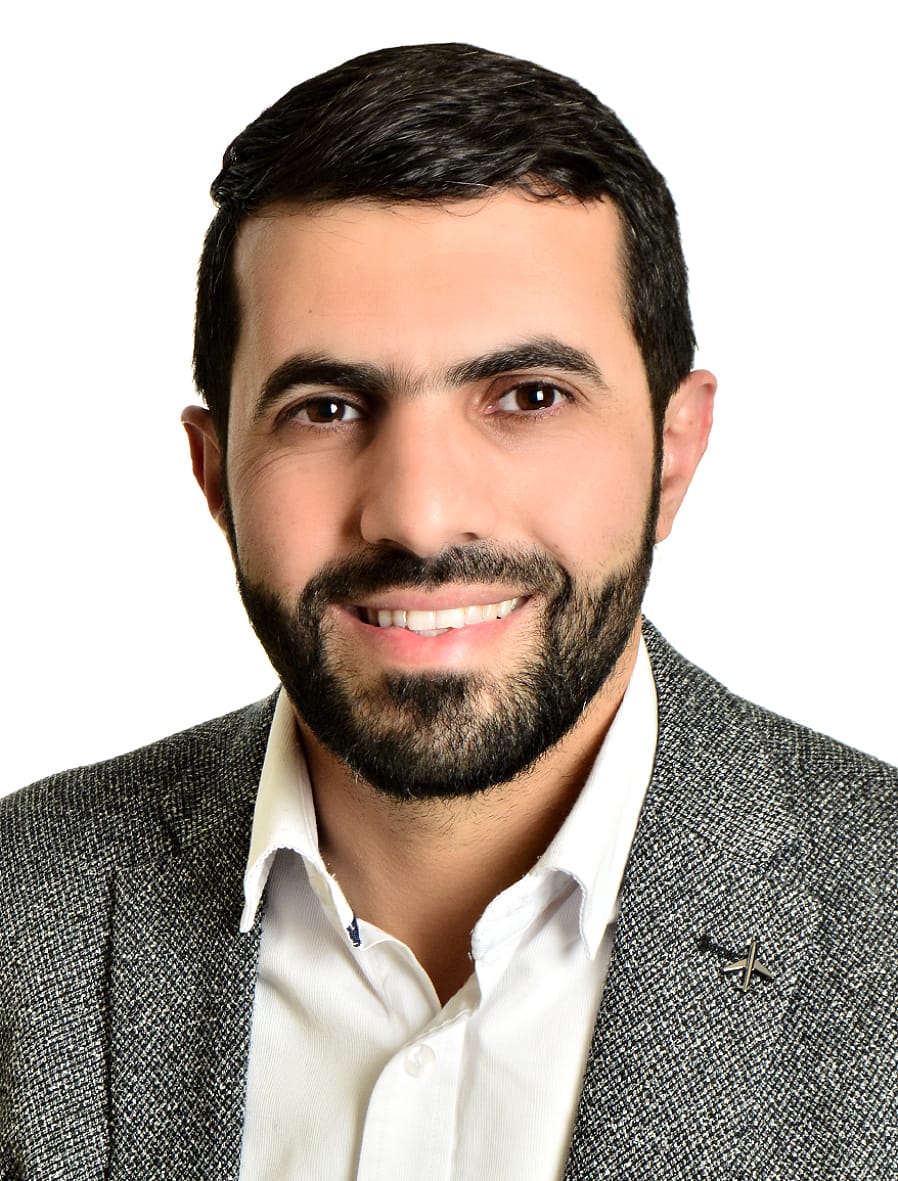
An Oral Medicine specialist, like Dr Suhaib Alqudah at Melbourne Oral Medicine, plays a pivotal role in supporting patients through their rehabilitation journey. With a deep understanding of complex oral and maxillofacial conditions, Dr Alqudah can assess the oral environment, diagnose complications related to defects or prosthetics, and manage associated symptoms such as dry mouth or orofacial pain. Our secure video (telehealth) consultations allow us to provide specialist oral medicine assessments Australia-wide, meaning patients and referring GPs or dentists can access expert advice without the need for travel. During an online consultation, we can perform a detailed assessment, triage your condition, and recommend appropriate next steps, which might include blood tests, imaging, biopsy, or referral to other specialists, ensuring you receive comprehensive, coordinated care. This approach offers reassurance and helps to streamline your care pathway.
FAQs about Maxillofacial Rehabilitation
What is an Oral Medicine Specialist's role in maxillofacial rehabilitation?
An Oral Medicine specialist focuses on the diagnosis and management of complex conditions affecting the oral and maxillofacial region. In rehabilitation, they assess the overall oral health, manage symptoms like pain and dry mouth, identify complications related to prosthetics, and ensure the surrounding tissues are healthy to support successful long-term outcomes.
Can an online consultation help with my prosthetic issues?
Yes, an online Oral Medicine consultation can be highly effective. Dr Alqudah can conduct a thorough visual assessment, discuss your symptoms in detail, and guide you on necessary investigations (e.g., imaging, blood tests) that can be arranged locally. This allows for initial diagnosis, triage, and a tailored management plan, often avoiding the need for immediate travel.
What are common symptoms that indicate a need for specialist care during rehabilitation?
Key symptoms include persistent pain or discomfort in the mouth or jaw, difficulty with chewing or speaking despite having a prosthesis, chronic dry mouth, altered taste, unusual changes in the oral lining, or any signs of infection or inflammation around the prosthetic area. These warrant a specialist review to ensure optimal oral health and prosthetic function.
If you are navigating the complexities of maxillofacial rehabilitation or experiencing any related oral health concerns, Melbourne Oral Medicine is here to help. We encourage you to get in touch or book a secure video consultation with Dr Suhaib Alqudah, a registered Oral Medicine Specialist, to discuss your specific needs and explore how we can support your journey towards improved oral health and quality of life.

Add Comment