For individuals facing significant bone loss in their upper jaw, known as an atrophic maxilla, the journey towards stable, full-arch dental implant rehabilitation can be complex. Advanced surgical techniques, such as the PATZi protocol in atrophic maxillary full-arch implant rehabilitations, are developed to address these challenges, aiming to provide a fixed and functional set of teeth. While the PATZi protocol itself is a surgical procedure, understanding the broader context of your oral health is crucial. At Melbourne Oral Medicine, Dr Suhaib Alqudah, a specialist Oral Medicine practitioner, plays a vital role in assessing your overall oral health, identifying underlying conditions, and ensuring you are well-prepared for such advanced treatments, all through convenient Australia-wide telehealth consultations.
Understanding the Atrophic Maxilla and Its Impact
An atrophic maxilla refers to a condition where there is significant loss of bone in the upper jaw. This can occur for various reasons, including long-term tooth loss, periodontal disease, trauma, or certain systemic health conditions. When bone density and volume are insufficient, it presents a major challenge for placing traditional dental implants, which rely on adequate bone for stability. Patients often experience difficulties with chewing, speaking, and may find conventional dentures unstable or uncomfortable, significantly impacting their quality of life.
For many, the desire for a fixed dental solution is strong, offering improved function, aesthetics, and confidence. However, the complexities of an atrophic maxilla necessitate careful planning and, often, specialised surgical approaches to rebuild or utilise existing bone effectively. This is where protocols like PATZi come into play, designed to facilitate full-arch implant placement even in challenging anatomical situations.
The Role of Advanced Implant Protocols in Rehabilitation
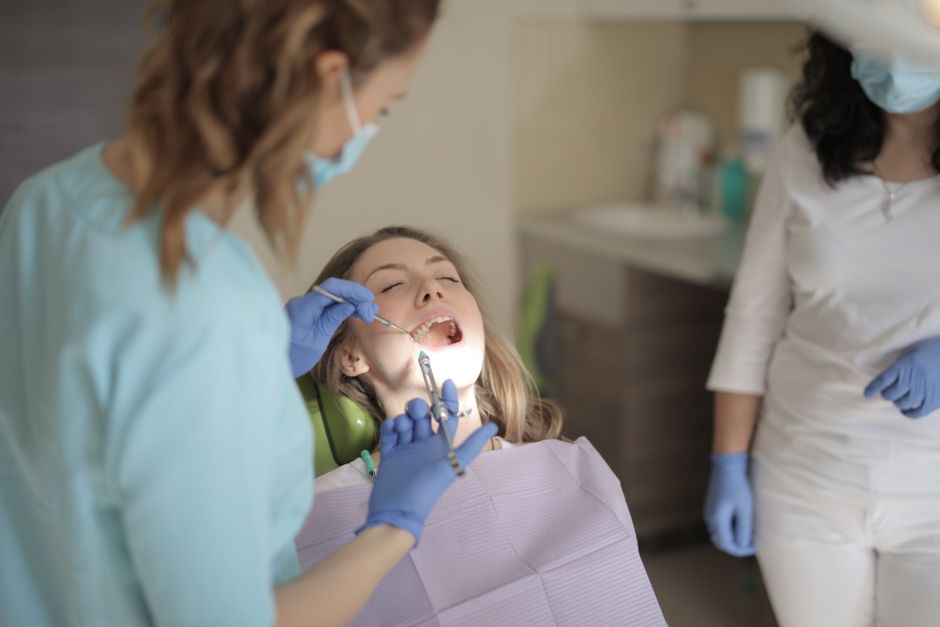
The PATZi protocol, like other advanced implant techniques, is a surgical strategy developed to overcome the limitations of severe maxillary bone atrophy. Its primary goal is to provide a stable foundation for full-arch dental implants, allowing patients to receive fixed prosthetic teeth rather than removable dentures. These innovative approaches often involve precise surgical planning and specific implant placement techniques tailored to the unique bone structure of each patient. While the surgical execution is performed by a dental surgeon, the comprehensive assessment and management of a patient's overall oral health before and after such procedures are where an Oral Medicine specialist's expertise becomes invaluable.
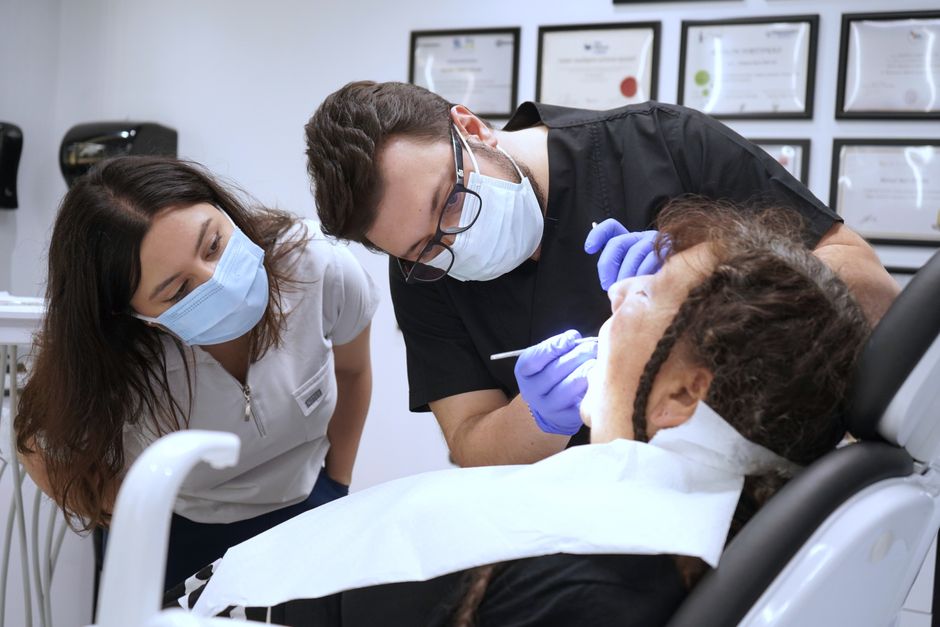
Photo: Semih Demirbaş / Pexels
How Oral Medicine Enhances Your Care Journey
Before embarking on complex dental implant rehabilitations, a thorough Oral Medicine assessment can be highly beneficial. Dr Suhaib Alqudah's expertise extends to diagnosing and managing various oral conditions that might affect your suitability for surgery or the long-term success of your implants. For instance, conditions like dry mouth (xerostomia), which can be caused by various medications or systemic diseases, can significantly impact oral hygiene and the health of tissues around implants. Research highlights the diverse etiologies of xerostomia and its implications for oral health, making its assessment critical before extensive dental work (Advances in clinical and experimental medicine : official organ Wroclaw Medical University · 2016; Oral and maxillofacial surgery clinics of North America · 2022).
Similarly, chronic orofacial pain, temporomandibular joint (TMJ) disorders, or burning mouth syndrome can complicate treatment and recovery. An Oral Medicine specialist can diagnose and help manage these conditions, ensuring you are as comfortable as possible throughout your treatment journey (International journal of molecular sciences · 2022; Dental clinics of North America · 2016; Dermatologic clinics · 2020; Dental clinics of North America · 2023). Furthermore, if you have existing oral mucosal diseases, such as oral lichen planus, which Dr Alqudah holds a PhD in, managing these conditions is paramount to prevent complications and ensure optimal healing (Journal of the Formosan Medical Association = Taiwan yi zhi · 2018; American journal of clinical dermatology · 2024). Dr Alqudah can also assess for any suspicious oral lesions or cancer risk, providing crucial triage and referral when necessary.
Convenient Online Assessment for Comprehensive Oral Health
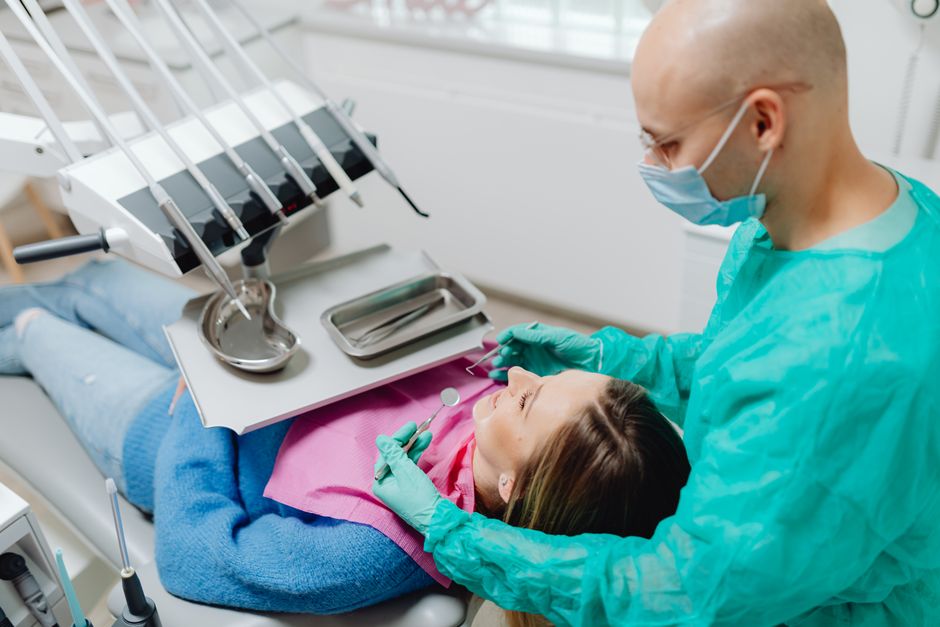
Melbourne Oral Medicine offers secure video (telehealth) consultations Australia-wide, making specialist oral medicine care accessible regardless of your location. For patients considering complex procedures like full-arch implant rehabilitations, an online assessment with Dr Alqudah can provide a crucial initial step. He can conduct a detailed evaluation of your medical and dental history, assess your symptoms, and discuss any concerns you may have regarding your oral health. This remote assessment can help in diagnosis and triage, determining if blood tests, imaging, or a biopsy are required, or if a direct referral to a surgical specialist is most appropriate. This process helps to streamline your care pathway, offering reassurance and potentially avoiding unnecessary travel for initial evaluations.
Considering complex dental implant solutions for an atrophic maxilla requires a holistic approach to your oral health. An Oral Medicine specialist can provide the comprehensive assessment and management needed to support your journey towards a healthier, more functional smile. We encourage you to reach out to us to discuss how an online consultation can benefit your specific situation.
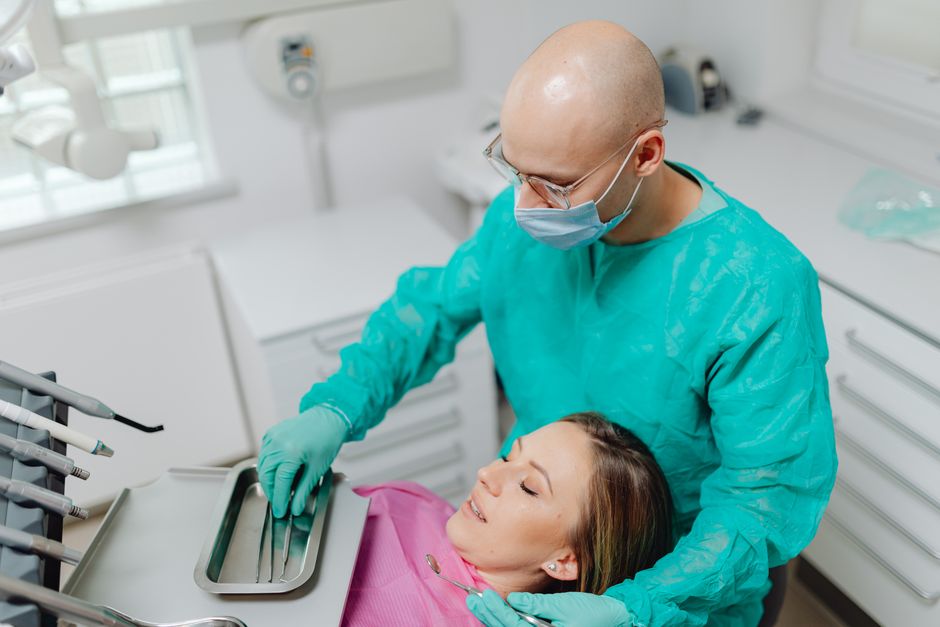
Photo: https://kaboompics.com/ / Pexels
Frequently Asked Questions
What is an atrophic maxilla?
An atrophic maxilla refers to a significant loss of bone in the upper jaw, often due to long-term tooth loss, gum disease, or trauma. This bone deficiency can make it challenging to place traditional dental implants.
How can an Oral Medicine specialist help with complex implant planning?
An Oral Medicine specialist like Dr Alqudah can assess your overall oral health, identify and manage co-existing conditions such as dry mouth, oral pain, or mucosal diseases. This ensures you are medically optimised for surgery and helps prevent complications, contributing to the long-term success of your implant rehabilitation.
Can I get an initial assessment for complex implant cases via telehealth?
Yes, Melbourne Oral Medicine offers secure telehealth consultations Australia-wide. Dr Alqudah can conduct a thorough remote assessment of your oral health, discuss your concerns, and provide guidance on the next steps, including necessary investigations or referrals, all from the comfort of your home.
Source: Dentistry.co.uk. (2026, September 14). PATZi protocol in atrophic maxillary full-arch implant rehabilitations. Retrieved from https://dentistry.co.uk/2026/09/14/patzi-protocol-in-atrophic-maxillary-full-arch-implant-rehabilitations/

Add Comment