'Mouth Ulcers Aren’t Just Stress’—Why This Myth Keeps Delaying Treatment.
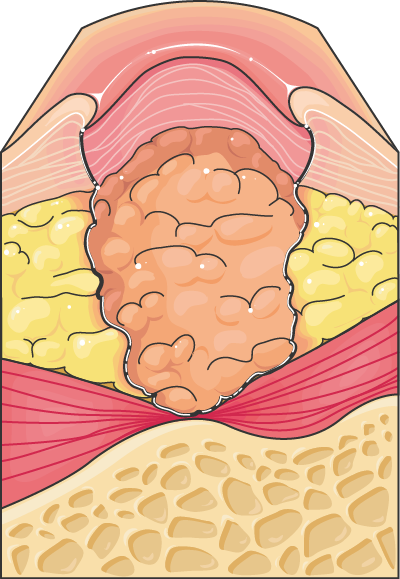
Image: Laboratoires Servier · CC BY-SA 3.0 · Wikimedia Commons
Many Australians dismiss persistent mouth ulcers as a minor inconvenience caused by stress, caffeine, or spicy food—but what if they’re a sign of something more serious? Mouth ulcers that last longer than two weeks, recur frequently, or cause severe pain shouldn’t be ignored. While stress *can* trigger oral irritation, chronic or unusual ulcers may indicate underlying conditions like oral lichen planus, autoimmune disease, nutritional deficiencies, or even precancerous changes. Early diagnosis and treatment are key, which is why Melbourne Oral Medicine offers secure telehealth consultations to assess persistent ulcers without unnecessary travel.
Dr Suhaib Alqudah, a registered Oral Medicine Specialist with a PhD in oral lichen planus from the University of Melbourne, understands how worrying these symptoms can be. His expertise spans complex oral mucosal diseases, including those that mimic stress-related irritation but require specialist care. If you’ve been told to ‘wait it out’ or that your ulcers are ‘just stress,’ it’s time to reconsider—especially if they’re not healing, are painful, or keep coming back.
What Are Mouth Ulcers—and When Are They More Than ‘Stress’?
Mouth ulcers, or aphthous stomatitis, are small, painful sores that appear on the lips, gums, tongue, or inside the cheeks. While minor ulcers (canker sores) often heal within a week and are linked to triggers like stress, dietary irritants, or minor trauma, persistent or recurrent ulcers warrant closer attention. Research highlights that chronic ulcers—those lasting over two weeks or recurring more than three times a year—may signal an underlying condition, such as oral lichen planus (a chronic inflammatory autoimmune disease) or deficiencies in iron, vitamin B12, or folate (as noted in studies on oral lichen planus differential diagnoses).
Red flags include:
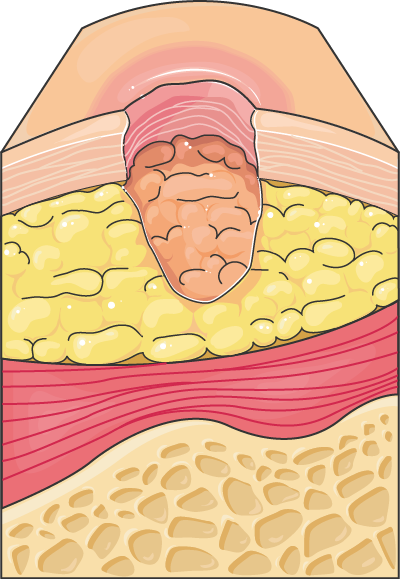
Image: Laboratoires Servier · CC BY-SA 3.0 · Wikimedia Commons
Ulcers that persist beyond two weeks or keep returning without obvious triggers.
White, lacy patches (lichenoid lesions) accompanying ulcers, which may indicate oral lichen planus.
Pain that disrupts eating, drinking, or speaking.
Associated symptoms like dry mouth, altered taste, or burning sensations.
History of autoimmune conditions (e.g., thyroid disease, vitiligo) or a family history of oral mucosal diseases.
Why ‘Just Stress’ Is a Dangerous Myth
The idea that mouth ulcers are purely stress-related is misleading for several reasons. First, stress *can* exacerbate oral irritation, but it rarely explains persistent or severe cases. Second, delaying treatment for chronic ulcers may allow conditions like oral lichen planus to progress, potentially leading to more aggressive symptoms or complications. A 2018 study in the Journal of the Formosan Medical Association emphasised that untreated oral lichen planus can cause erosive changes, pain, and even systemic impacts, particularly in patients with autoimmune tendencies.
Moreover, some ulcers—particularly those that don’t heal or appear in unusual locations—may require a biopsy to rule out precancerous changes or oral cancer. The Australian Dental Association and Cancer Council Australia both stress the importance of evaluating persistent oral lesions, as early detection improves outcomes. At Melbourne Oral Medicine, Dr Alqudah can assess your symptoms remotely, recommend necessary tests (such as blood work or a biopsy referral), and connect you with the right specialists if needed—all without leaving home.
How Telehealth Consultations Help You Avoid Unnecessary Worry
If you’re experiencing persistent mouth ulcers, a telehealth consultation with Melbourne Oral Medicine is a practical and reassuring first step. During your secure video call, Dr Alqudah will:
Review your medical history, symptoms, and any associated conditions (e.g., dry mouth, autoimmune diseases).
Assess high-resolution images or videos of your ulcers (shared securely via the platform) to identify patterns or red flags.
Determine whether your symptoms align with common causes (e.g., nutritional deficiencies) or require further investigation (e.g., blood tests, referral for biopsy).
Provide clear next steps, including self-care advice, medication recommendations, or referrals to specialists like dermatologists or gastroenterologists.
This approach eliminates the need for unnecessary clinic visits while ensuring you receive expert guidance tailored to your needs. For example, if your ulcers are linked to dry mouth (xerostomia), Dr Alqudah can explore underlying causes—such as salivary gland dysfunction or medication side effects—as highlighted in recent research on xerostomia management. Early intervention can prevent complications and improve your quality of life.
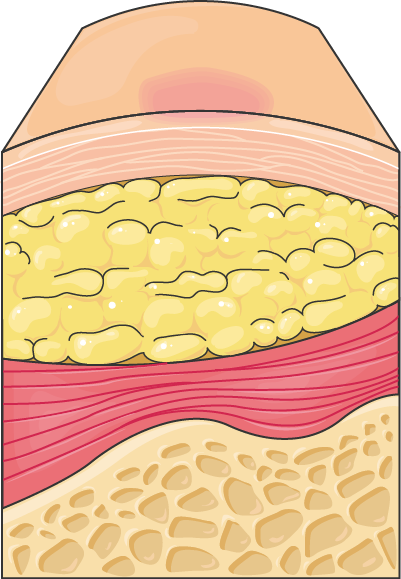
Image: Laboratoires Servier · CC BY-SA 3.0 · Wikimedia Commons
When to Seek Help: Don’t Wait for ‘It to Go Away’
While minor ulcers often resolve on their own, persistent or severe symptoms demand attention. Contact Melbourne Oral Medicine if you experience:
Ulcers that last longer than two weeks or recur frequently.
Painful swelling, bleeding, or difficulty swallowing.
White, red, or mixed patches in your mouth alongside ulcers.
Associated symptoms like dry mouth, metallic taste, or burning sensations (potential signs of burning mouth syndrome, as discussed in Dental Clinics of North America).
Dr Alqudah’s telehealth consultations are ideal for patients across Australia who want expert advice without travel. Whether your ulcers are stress-related or something more complex, early assessment can provide peace of mind—and the right treatment plan to restore comfort and confidence.
FAQ
Can mouth ulcers be a sign of something serious?
Persistent or recurrent mouth ulcers—especially those that don’t heal, are painful, or appear alongside other symptoms like white patches or dry mouth—should not be dismissed. While many cases are benign, they can sometimes indicate underlying conditions like oral lichen planus, nutritional deficiencies, or even precancerous changes. A telehealth consultation with Dr Alqudah can help determine whether further testing (such as blood work or a biopsy) is needed.
How does a telehealth consultation work for mouth ulcers?
During your secure video consultation, you’ll share images or videos of your ulcers and discuss your symptoms with Dr Alqudah. He’ll assess your case remotely, provide a diagnosis or treatment plan, and recommend any necessary follow-up tests or referrals—all without the need for an in-person visit. This approach is convenient, efficient, and tailored to your needs.
What if my ulcers are caused by stress?
While stress can contribute to oral irritation, chronic or severe ulcers rarely resolve on their own. Dr Alqudah can help identify whether your symptoms are stress-related or linked to another condition, such as dry mouth, autoimmune disease, or nutritional deficiencies. Early intervention ensures you receive the most effective care for long-term relief.




Add Comment