Seeing a new patch or sore in your mouth can be worrying, and it's natural to wonder, "Could my mouth patch be oral cancer?" While many oral lesions are benign, it's crucial to have any persistent changes in your mouth assessed by a specialist. As a registered Oral Medicine Specialist, Dr Suhaib Alqudah at Melbourne Oral Medicine and Facial Pain Centre is dedicated to diagnosing and managing a wide range of oral conditions, including those that may raise concerns about oral cancer.
Understanding Oral Lesions and Their Causes
Oral lesions, which can appear as patches, sores, lumps, or discoloured areas, have numerous causes. These can range from common irritations like cheek biting or ill-fitting dentures to infections, autoimmune conditions, and, less commonly, oral cancer. Conditions like oral lichen planus, a chronic inflammatory condition affecting the mouth's lining, can present as white or red patches and require expert evaluation to differentiate from other possibilities. The management of oral lichen planus often involves understanding its potential links to other systemic factors and, in some cases, monitoring for any changes over time, as noted in dermatological and medical literature (Journal of the Formosan Medical Association, 2018; American journal of clinical dermatology, 2024).
Red Flags for Oral Cancer
While most mouth patches are not cancerous, certain signs warrant prompt attention. These 'red flags' include sores that don't heal within two to three weeks, any persistent lump or thickening in the cheek, a red or white patch on the gums, tongue, or lining of the mouth, difficulty chewing or swallowing, persistent pain in the mouth, or a feeling of numbness in the tongue or other areas of the mouth. Early detection is paramount in the successful treatment of oral cancer. An online triage of oral lesions and suspicious patches offered by Melbourne Oral Medicine can provide initial assessment and guidance, helping to alleviate anxiety and direct you to the appropriate next steps.
The Role of Oral Medicine in Diagnosis
As an Oral Medicine Specialist, Dr Alqudah has extensive experience in diagnosing conditions affecting the mouth and face. Using secure video consultations, we can conduct an initial assessment of your mouth patch or lesion. This remote assessment allows for detailed discussion of your symptoms, medical history, and lifestyle factors. We can guide you on how to best present the area for visual examination via video, which can help in the initial triage process. Based on this assessment, we can advise on the next steps, which might include reassurance, arranging for blood tests, imaging, or a biopsy, or referring you to a relevant specialist. This approach aims to provide expert care and reassurance while minimising unnecessary travel and waiting times.
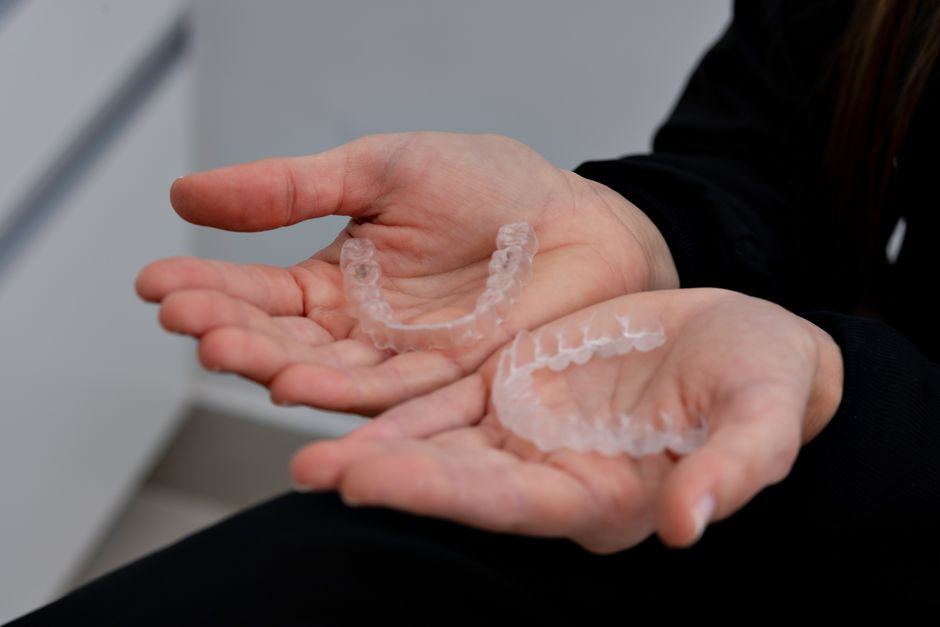
Photo: Nothing Ahead / Pexels
When to Seek Expert Advice
If you notice any persistent changes in your mouth, such as a new patch, sore, or lump that doesn't heal within a couple of weeks, it's essential to seek professional advice. Don't delay seeking help due to concerns about travel or accessibility. Melbourne Oral Medicine offers Australia-wide telehealth consultations, bringing specialist oral medicine expertise directly to you, wherever you are. Our aim is to provide clear, evidence-based assessment and management plans, offering peace of mind and ensuring you receive timely and appropriate care for your oral health concerns.
Frequently Asked Questions
What is the first sign of oral cancer?
The earliest signs of oral cancer can be subtle and may include a non-healing ulcer, a persistent red or white patch, a lump, or a sore throat that doesn't go away. Any new, unusual, or persistent change in your mouth should be evaluated by a healthcare professional.
Can a dentist tell if a mouth patch is cancerous?
General dentists are trained to identify potential signs of oral cancer and will often refer patients with suspicious lesions to an Oral Medicine Specialist or an oral surgeon for further evaluation and diagnosis. An Oral Medicine Specialist has advanced training specifically in diagnosing and managing diseases of the mouth, including oral cancer and precancerous conditions.
How can a telehealth consultation help with a mouth patch?
A telehealth consultation with an Oral Medicine Specialist allows for an initial assessment of your mouth patch from the comfort of your home. The specialist can discuss your symptoms, review visual information of the lesion, and provide guidance on the likelihood of it being a serious condition. This can help determine the need for further investigations like blood tests, imaging, or a biopsy, and can offer reassurance or prompt appropriate referral, avoiding unnecessary anxiety and travel.
If you have noticed a mouth patch or any other concerning changes in your mouth, please don't hesitate to book a secure online consultation with Dr Suhaib Alqudah at Melbourne Oral Medicine and Facial Pain Centre. We are here to help you understand your oral health and provide expert care Australia-wide.





Add Comment