Maxillofacial Defects & 3D Prosthetics: Understanding Rehabilitation Outcomes.
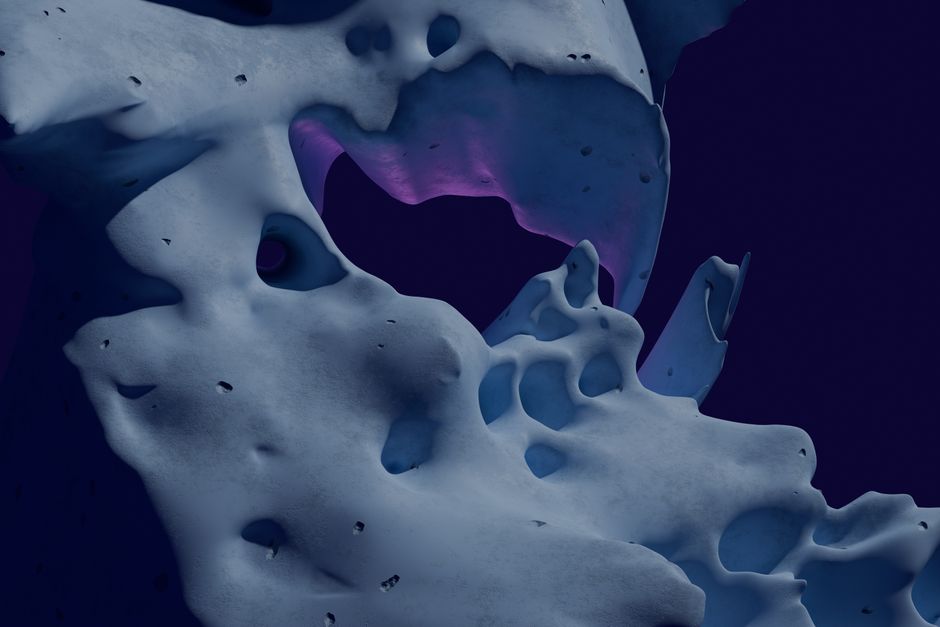
Photo: Steve A Johnson / Pexels
When individuals face significant challenges due to missing facial or jaw structures, often resulting from surgery for conditions like oral cancer, the journey to recovery involves careful rehabilitation. These 'post-resection maxillofacial defects' can profoundly impact a person's ability to eat, speak, and even their appearance. Modern dentistry and medicine have made incredible strides, with 3D printing technology now offering custom solutions for 3D-printed prosthetic rehabilitation. However, the success of these advanced prosthetics can be significantly influenced by the nature of the defect itself.
Understanding Maxillofacial Defects and the Need for Rehabilitation
Maxillofacial defects refer to any missing bone or soft tissue in the face, jaws, or mouth. They are most commonly a consequence of surgical removal of tumours, such as oral or head and neck cancers, but can also result from trauma or congenital conditions. The impact on a patient's life can be extensive, affecting basic functions like chewing, swallowing, and speaking. Beyond the physical challenges, these defects can also have a significant psychological and social impact, affecting self-confidence and quality of life. Rehabilitation aims to restore these crucial functions and aesthetics, helping patients regain normalcy.
The Role of 3D Printing in Prosthetic Rehabilitation
Traditional methods of creating facial and oral prosthetics have evolved dramatically with the advent of 3D printing. This technology allows for the creation of highly accurate, custom-fitted prostheses that can precisely match the patient's unique anatomy. From restoring parts of the jawbone to fabricating artificial palates or facial features, 3D-printed prosthetics offer improved fit, comfort, and aesthetics compared to older techniques. This precision is vital for restoring function and helping patients adapt to their new prostheses more effectively.
How Defect Characteristics Influence Prosthetic Outcomes
While 3D printing offers remarkable capabilities, the success of 3D-printed prosthetic rehabilitation isn't solely dependent on the technology. Research indicates that the specific characteristics of the post-resection maxillofacial defect itself play a crucial role in the overall outcome. Factors such as the size and location of the defect, the quality of the remaining bone and soft tissues, and the presence of radiation-induced changes can all influence how well a prosthetic is retained, its stability, and ultimately, the patient's comfort and ability to use it effectively. For instance, larger defects or those involving critical anatomical areas might present greater challenges for achieving optimal prosthetic fit and function. This underscores the need for a comprehensive, individualised approach to treatment planning.
Photo: Steve A Johnson / Pexels
Oral Medicine's Role in Supporting Rehabilitation
At Melbourne Oral Medicine, Dr. Suhaib Alqudah, a registered Oral Medicine Specialist with a PhD in Oral Lichen Planus from the University of Melbourne, brings extensive experience from his time at the Royal Dental Hospital of Melbourne and the Peter MacCallum Cancer Centre. While we do not fabricate prosthetics, an Oral Medicine Specialist plays a vital role in supporting patients undergoing or considering maxillofacial rehabilitation. Our expertise lies in managing the complex oral health conditions that can arise before, during, and after treatment, ensuring the oral environment is as healthy as possible for successful prosthetic integration and long-term well-being.
This includes addressing common issues such as dry mouth (xerostomia), which can significantly affect prosthetic retention and comfort. Studies highlight the impact of xerostomia on oral health and quality of life, particularly in patients who have undergone head and neck radiation therapy. (Advances in clinical and experimental medicine · 2016; Oral and maxillofacial surgery clinics of North America · 2022). We also manage burning mouth syndrome, altered taste, and other oral sensory symptoms that can complicate a patient's recovery and adaptation to prosthetics (Dermatologic clinics · 2020; Dental clinics of North America · 2023). Furthermore, any associated temporomandibular joint (TMJ) pain or orofacial pain can be assessed and managed, as these conditions can impact jaw function and prosthetic use (International journal of molecular sciences · 2022; Dental clinics of North America · 2016).
Through secure video (telehealth) consultations, Dr. Alqudah can provide specialist assessment and guidance Australia-wide, saving patients unnecessary travel. This includes initial assessment, recommending appropriate investigations such as blood tests or imaging, and facilitating timely referrals to maxillofacial surgeons, prosthodontists, or other specialists involved in the physical reconstruction process. Our goal is to ensure a holistic approach to your oral health, complementing the work of your surgical and prosthetic teams.
When to Seek Specialist Oral Medicine Help
If you or a loved one are facing maxillofacial defects, or are undergoing or have completed prosthetic rehabilitation, it's important to be aware of potential signs that warrant specialist attention. These 'red flags' include persistent pain or discomfort in your mouth or jaw, difficulties with eating, speaking, or swallowing that are not improving, any new or unusual changes in your oral tissues, or problems with the fit, comfort, or function of an existing prosthetic. Experiencing persistent dry mouth, altered taste, or a burning sensation in your mouth should also prompt a consultation. An early assessment can help identify and manage these issues, improving your rehabilitation journey and overall quality of life.
Photo: Google DeepMind / Pexels
The journey through maxillofacial rehabilitation is complex, but with a comprehensive and multidisciplinary approach, positive outcomes are achievable. Understanding the interplay between defect characteristics and the success of 3D-printed prosthetic rehabilitation is key. Melbourne Oral Medicine is here to provide expert oral medicine care, supporting your oral health needs throughout this process. We encourage you to reach out and explore how a specialist online consultation can assist you or your patient.
Frequently Asked Questions
Can an Oral Medicine Specialist help if I already have a prosthetic?
Yes, absolutely. An Oral Medicine Specialist can help manage any ongoing oral health issues that might arise with or around your existing prosthetic, such as dry mouth, oral pain, or mucosal changes, ensuring the long-term health of your oral tissues.
What is dry mouth and how does it affect prosthetics?
Dry mouth, or xerostomia, is a condition where your salivary glands don't produce enough saliva. Saliva is crucial for lubricating the mouth, aiding in digestion, and protecting against infection. For prosthetic wearers, particularly those with removable appliances, a lack of saliva can significantly reduce the retention and comfort of the prosthetic, making it difficult to eat and speak.
Do I need to travel to Melbourne for a consultation?
No. Dr. Suhaib Alqudah offers secure video (telehealth) consultations, allowing patients across Australia to access specialist Oral Medicine care from the comfort of their own homes, avoiding unnecessary travel.
Reference:
Li, H., Li, J., Chen, X. et al. Impact of post-resection maxillofacial defects on outcomes of 3D-printed prosthetic rehabilitation. Int J Oral Sci16, 101 (2024). https://doi.org/10.1038/s41405-026-00476-3



Add Comment