For many individuals, the prospect of having new dentures made can bring about a mix of anticipation and apprehension. A crucial step in this process is taking accurate denture impressions. While this might sound like a purely technical procedure, understanding its importance can help alleviate patient concerns and lead to a more comfortable and well-fitting final product. At Melbourne Oral Medicine, we understand that even seemingly straightforward dental procedures can be a source of worry. Our aim is to demystify these processes and empower you with knowledge, whether you are experiencing oral discomfort or require specialist assessment for complex conditions.
Why Denture Impressions Matter
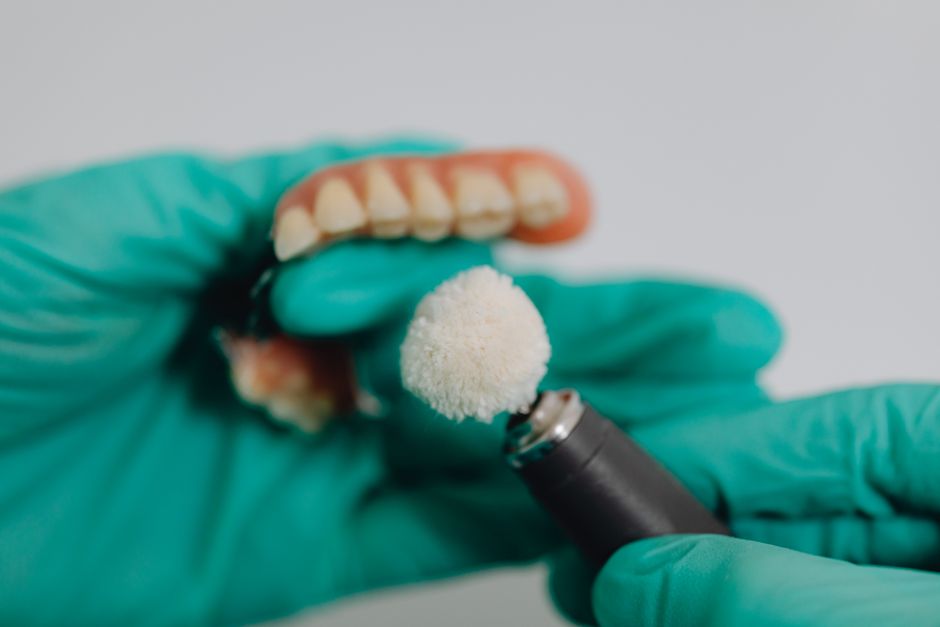
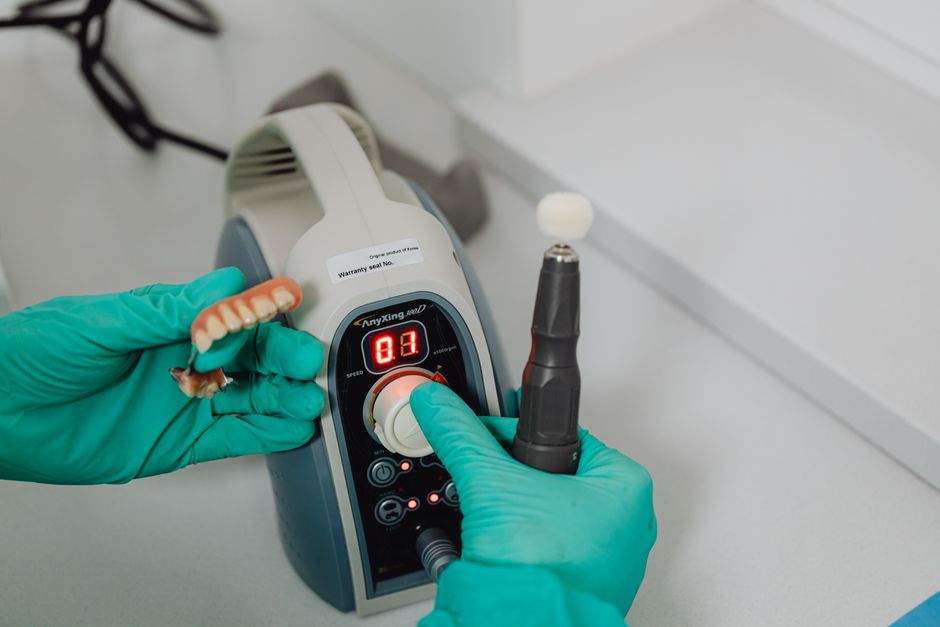
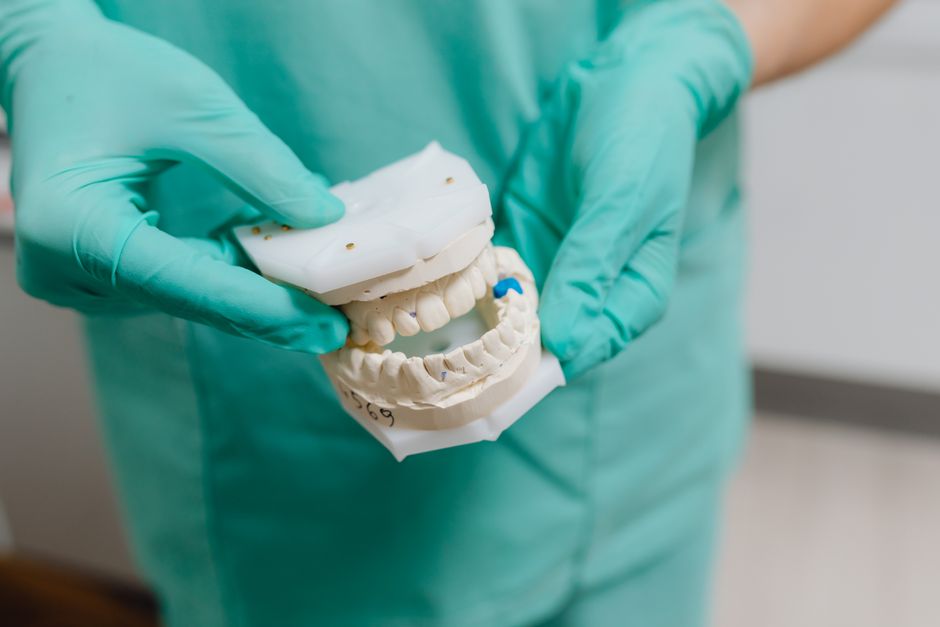
Taking accurate denture impressions is fundamental to creating dentures that fit precisely, feel comfortable, and function effectively. A well-made denture should sit securely without causing undue pressure points or irritation. The impression serves as a detailed 3D model of your mouth, capturing the exact contours of your gums, palate, and any remaining teeth or bone structure. This model allows the dental laboratory to fabricate a denture that is tailored specifically to your unique oral anatomy. Inaccurate impressions can lead to ill-fitting dentures, which may cause discomfort, difficulty with eating and speaking, and even damage to the underlying oral tissues over time. While our primary focus at Melbourne Oral Medicine is on diagnosing and managing complex oral conditions, we recognise the impact that well-fitting prosthetics have on overall oral health and quality of life.
The Role of Oral Medicine in Prosthetic Care
While the technical aspects of denture impression taking are typically managed by your general dentist or prosthetist, an Oral Medicine specialist plays a vital role in ensuring the underlying oral environment is healthy for prosthetic wear. Conditions such as xerostomia (dry mouth), burning mouth syndrome, and oral mucosal diseases can significantly impact the success and comfort of dentures. Xerostomia, for instance, can lead to increased friction and irritation, making denture wear uncomfortable and potentially increasing the risk of oral infections. As highlighted in a review in *Advances in Clinical and Experimental Medicine* (2016), xerostomia can arise from various causes, including medications and systemic conditions, and requires careful management. Similarly, burning mouth syndrome, characterised by a burning sensation in the mouth, can be exacerbated by ill-fitting dentures or changes in oral tissues. Research in *Dermatologic Clinics* (2020) and *Dental Clinics of North America* (2023) discusses the complexities of managing this condition. Furthermore, conditions like oral lichen planus, which Dr. Suhaib Alqudah has extensive experience with, can affect the oral mucosa and require careful consideration when fabricating and fitting dentures. Our telehealth consultations allow for an initial assessment of your oral health, helping to identify any underlying issues that might affect denture success, and can guide your dentist accordingly.
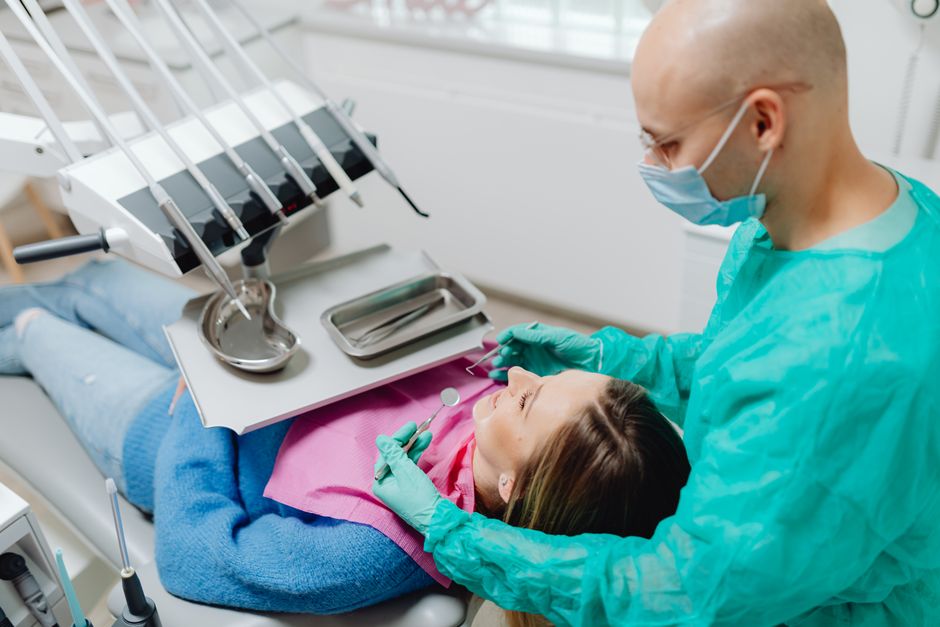
Photo: https://kaboompics.com/ / Pexels
Navigating Orofacial Pain and Denture Comfort
Temporomandibular joint (TMJ) disorders and broader orofacial pain conditions can also influence denture wear and comfort. Pain in the jaw, face, or surrounding muscles can make it difficult to adapt to new dentures or may be aggravated by them. A comprehensive review in the *International Journal of Molecular Sciences* (2022) explores pain management strategies for central sensitisation in TMJ disorders, emphasising the importance of a multi-faceted approach. Similarly, *Dental Clinics of North America* (2016) discusses the intricate relationship between TMJ disorders and orofacial pain. If you experience persistent jaw pain, clicking, or difficulty opening your mouth, these issues need to be addressed. Our remote assessments can help triage these concerns, potentially identifying contributing factors that might impact your experience with dentures. We can provide initial advice, recommend further investigations such as imaging, or facilitate referral to appropriate specialists to manage your pain effectively, ensuring a more comfortable foundation for any necessary prosthetic work.
When to Seek Specialist Oral Medicine Advice
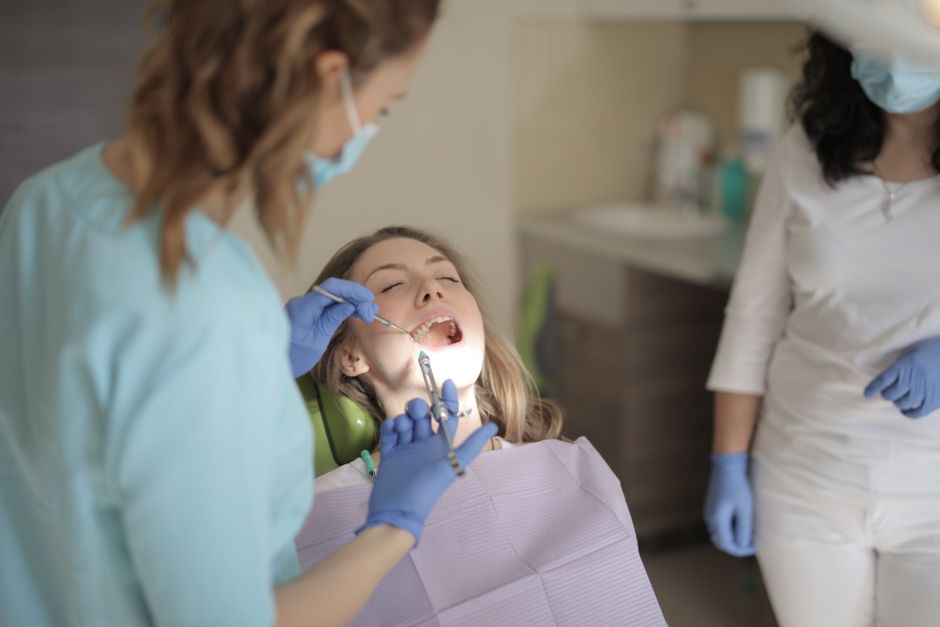
While your dentist is your primary point of contact for denture fabrication, there are specific oral health concerns where consulting an Oral Medicine specialist is beneficial. Red flags include persistent mouth ulcers that do not heal within two weeks, unexplained white or red patches in the mouth, significant changes in taste or sensation, or a persistent dry mouth that is causing discomfort. If you have a history of head and neck radiation therapy or are undergoing treatment for cancer, specialist input is crucial for managing oral side effects and planning dental care. Our secure video consultations offer a convenient way to receive expert assessment Australia-wide. We can review your symptoms, discuss potential causes, and recommend a clear management plan, which may involve blood tests, imaging, a biopsy, or referral to other specialists. This triage process can save you unnecessary travel and provide timely reassurance and guidance.
Frequently Asked Questions
What if my current dentures are uncomfortable?
Discomfort with current dentures can stem from various issues, including changes in your oral tissues, ill-fitting impressions, or underlying oral health conditions. We can assess your symptoms remotely to help identify potential causes and advise on the next steps, which may involve consulting your dentist for adjustments or further investigation into oral health issues.
Photo: https://kaboompics.com/ / Pexels
Can a dry mouth affect my new dentures?
Yes, a dry mouth (xerostomia) can significantly impact denture comfort and stability. Reduced saliva flow can lead to increased friction, irritation, and difficulty keeping dentures in place. Managing dry mouth is essential for successful denture wear. Our specialists can help diagnose the cause of your dry mouth and recommend appropriate management strategies.
How can a telehealth consultation help with my oral concerns?
Telehealth consultations allow you to access specialist oral medicine expertise from the comfort of your home, regardless of your location in Australia. We can conduct a thorough assessment of your symptoms, discuss your medical history, review any relevant images or results you may have, and provide a preliminary diagnosis and management plan, including advice on when and where to seek further in-person care if needed.
This article was inspired by the industry news item "Learn to love taking denture impressions with Mike Gregory" (Dentistry.co.uk, September 2026).


Add Comment