Ibuprofen for Children's Deep Caries Pain: What Parents Need to Know.
Photo: Patrick / Pexels
Dealing with deep decay in a child's teeth can be a source of anxiety for both parents and children. Understanding how to manage pain effectively during dental treatment is crucial for a positive experience. A recent discussion in the dental community has explored whether giving ibuprofen before a procedure can help reduce pain when treating deep caries in children. At Melbourne Oral Medicine, we aim to provide clear, evidence-based information to help you navigate these concerns.
Understanding Deep Caries and Pain
Deep caries refers to tooth decay that has progressed through the enamel and dentine, reaching close to the tooth's pulp. The pulp contains nerves and blood vessels, and when it becomes inflamed or infected, it can cause significant pain. Symptoms can range from mild sensitivity to throbbing pain, especially when the tooth is exposed to hot, cold, or sweet stimuli, or during chewing. In some cases, swelling or a persistent ache may indicate a more serious infection requiring prompt attention.
The Role of Ibuprofen in Pain Management
Ibuprofen is a non-steroidal anti-inflammatory drug (NSAID) commonly used to reduce pain, inflammation, and fever. In the context of dental treatment, it's often considered for its analgesic and anti-inflammatory properties. The question of whether preoperative ibuprofen administration can preemptively manage pain during the treatment of deep caries in children is an important one for paediatric dental care. Research in this area aims to determine if this approach can lead to less discomfort for the child during the procedure, potentially making the experience smoother and less stressful.
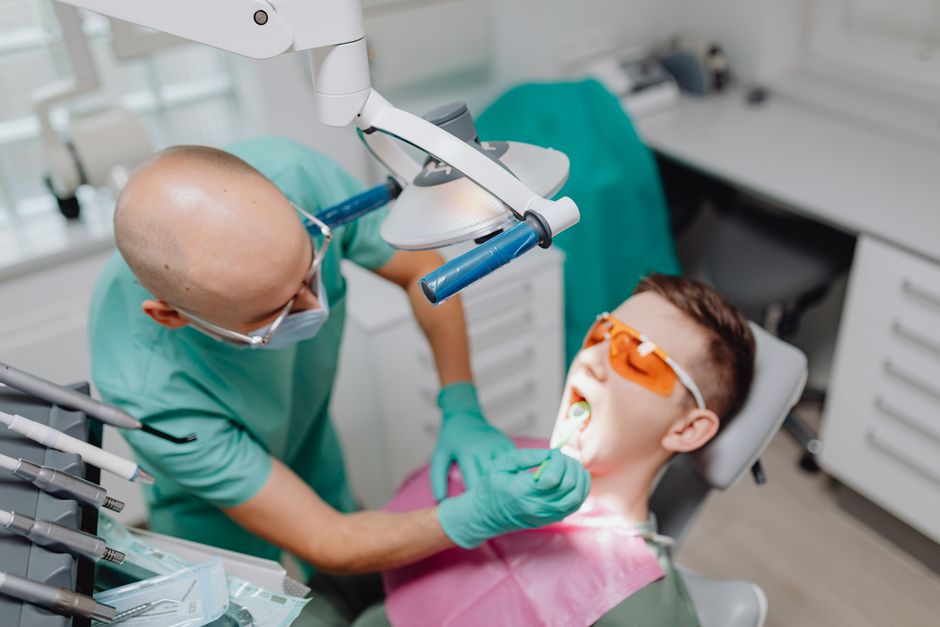
Photo: https://kaboompics.com/ / Pexels
Evidence on Preoperative Ibuprofen for Children's Dental Pain
A recent exploration of this topic has considered the evidence surrounding the use of preoperative ibuprofen for children undergoing treatment for deep caries. The aim is to provide a better understanding of its efficacy in reducing pain. While this specific research focuses on children and deep caries, the principles of pain management with NSAIDs are broadly applicable. Pain management in dentistry, particularly for complex conditions like temporomandibular disorders (TMDs) and orofacial pain, often involves a multi-faceted approach, and understanding the role of pre-procedural medication is part of this. For instance, management of central sensitisation in TMDs highlights the importance of comprehensive pain strategies.
When to Seek Professional Advice
While the use of ibuprofen might be considered for pain relief, it's essential to recognise the 'red flags' that indicate a need for immediate professional assessment. These include severe, persistent pain that is not relieved by over-the-counter medication, swelling of the face or gums, fever, difficulty opening the mouth, or a foul taste in the mouth. These symptoms could point to a dental abscess or other serious infection requiring urgent care. Early intervention is key to preventing complications.
How Melbourne Oral Medicine Can Help
At Melbourne Oral Medicine, we specialise in diagnosing and managing complex oral conditions, including those that cause chronic pain and discomfort. While our focus is on oral medicine and facial pain, we understand the interconnectedness of oral health and overall well-being. If you or your child are experiencing persistent oral pain, unexplained mouth sores, burning sensations, or concerns about oral lesions, a specialist consultation can be invaluable. We offer secure video consultations Australia-wide, allowing for an initial assessment without the need for immediate travel. This can help in triaging your concerns, determining the potential need for further investigations such as blood tests, imaging, or a biopsy, and guiding you towards the most appropriate management pathway, whether that's with us or a referral to a trusted dental or medical professional.
Photo: Nadezhda Moryak / Pexels
Frequently Asked Questions
Should I give my child ibuprofen before a dental appointment?
It is best to consult with your dentist or paediatric dentist before administering any medication, including ibuprofen, before a dental appointment. They can advise based on the specific procedure planned and your child's medical history.
What are the signs of a serious dental problem in children?
Signs of a serious dental problem include severe, throbbing pain, facial swelling, fever, difficulty swallowing or breathing, and a foul taste or odour in the mouth. If you notice any of these, seek immediate professional dental or medical attention.
Can telehealth help with my child's dental pain concerns?
Yes, telehealth consultations can be a valuable first step for initial assessment and triage of oral pain concerns. They allow a specialist to gather information, provide reassurance, and guide you on the next steps, potentially avoiding unnecessary travel while ensuring timely advice.
Reference: The discussion on preoperative ibuprofen for children's deep caries treatment is inspired by industry news and ongoing research in paediatric dentistry. Further details can be found in relevant dental literature and professional discussions.







Add Comment