How Dental Infection Control Protects Your Oral Health in Somali Communities.
Photo: https://kaboompics.com/ / Pexels
Dental healthcare professionals in Somali communities—like those across Australia—prioritise strict infection prevention and control (IPC) to keep patients safe. Recent research highlights how these practices are evolving globally, ensuring that oral health care remains both effective and secure. For patients in Australia, whether you’re due for a routine check-up or experiencing persistent oral symptoms, understanding these protocols can ease concerns and reassure you that your care is in capable hands.
At Melbourne Oral Medicine, we combine Australia’s highest standards of infection control with specialist expertise in complex oral conditions. Dr Suhaib Alqudah, our Oral Medicine Specialist, has spent years treating patients with chronic oral health issues—from persistent ulcers to autoimmune-related mouth conditions—while adhering to rigorous safety measures. If you’re worried about exposure risks or simply want peace of mind about your next appointment, our secure telehealth consultations offer a safe way to discuss your concerns without leaving home.
What Are Infection Prevention and Control (IPC) Practices in Dentistry?
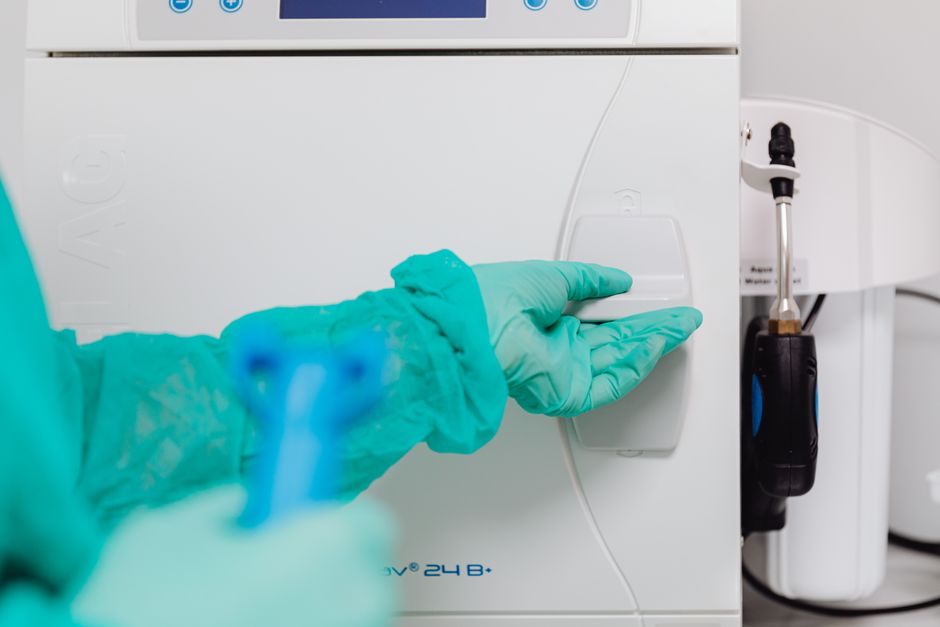
IPC in dentistry refers to the protocols designed to minimise the risk of transmitting infections between patients and healthcare providers. These practices include hand hygiene, the use of personal protective equipment (PPE), sterilisation of instruments, and adherence to disinfection guidelines. For Somali communities—whether here in Australia or abroad—these measures are critical, especially given the diversity of oral health needs and potential exposure risks. Studies, such as those published in Nature Portfolio, underscore how IPC practices vary globally but remain foundational to patient safety. In Australia, dental practices are governed by strict regulations from bodies like the Australian Dental Association and the Australian Government Department of Health, ensuring consistency and high standards.
Photo: https://kaboompics.com/ / Pexels
Why Do IPC Practices Matter for Oral Health?
For patients with chronic oral conditions—such as recurrent mouth ulcers, dry mouth (xerostomia), or oral lichen planus—proper IPC isn’t just about preventing cross-contamination; it’s about maintaining trust in the healthcare system. Conditions like xerostomia, often linked to autoimmune disorders or side effects of medications, can compromise your mouth’s natural defences against infections. Research in Advances in Clinical and Experimental Medicine (2016) notes that dry mouth increases the risk of oral infections, making IPC even more vital for these patients. When you visit a dental professional, knowing they follow these protocols can help alleviate anxiety, particularly if you have a weakened immune system or are undergoing treatment for cancer.
How Telehealth Consultations Enhance Safety and Accessibility
If you’re experiencing persistent oral symptoms—such as unusual sores, persistent dryness, or unexplained pain—our secure telehealth consultations provide a convenient and safe way to seek expert advice without leaving your home. Dr Alqudah can assess your symptoms, discuss potential causes (such as autoimmune conditions or nutritional deficiencies), and recommend next steps—whether that’s a referral for blood tests, a biopsy, or further imaging. This approach not only reduces exposure risks but also ensures you receive timely care tailored to your needs. For patients in remote or culturally diverse communities, telehealth bridges gaps in access while maintaining the highest standards of safety.
When Should You Seek Help for Oral Health Concerns?
While minor oral irritations often resolve on their own, certain symptoms warrant professional attention. These include:
Photo: https://kaboompics.com/ / Pexels
Persistent mouth ulcers that last longer than three weeks or recur frequently.
Severe dry mouth (xerostomia) that interferes with eating, speaking, or swallowing.
Unusual patches or lesions in your mouth that don’t heal, especially if they’re painful or bleeding.
Chronic jaw or facial pain that may indicate temporomandibular joint (TMJ) disorders or neuralgias.
Changes in taste or sensation that could signal nerve damage or systemic conditions.
If any of these symptoms affect your quality of life, our team can help. Early intervention can prevent complications and improve outcomes, particularly for conditions like oral lichen planus, where timely management is key.
FAQ
Question? Are telehealth consultations as safe as in-person visits?
Absolutely. Our telehealth consultations use secure, encrypted platforms that comply with Australian privacy laws. Dr Alqudah follows the same rigorous infection control protocols as in-person visits, ensuring your consultation is both confidential and safe. For conditions requiring physical examination—such as biopsies or imaging—we’ll guide you on next steps while minimising unnecessary travel.
Question? How do I know if my dentist follows proper IPC practices?
All registered dental professionals in Australia must adhere to IPC guidelines set by regulatory bodies. If you’re unsure, you can ask your dentist or oral health provider about their sterilisation processes, PPE use, and hand hygiene practices. At Melbourne Oral Medicine, we’re transparent about our protocols, and our telehealth option ensures you can discuss your concerns in a controlled, safe environment.
Question? Can telehealth help with complex oral conditions like autoimmune-related mouth sores?
Yes. Telehealth is an excellent first step for assessing symptoms like those associated with oral lichen planus or autoimmune conditions. Dr Alqudah can review your medical history, symptoms, and any relevant tests (such as blood work) to determine if further investigation—like a biopsy or referral—is needed. This approach ensures you receive expert guidance without unnecessary exposure risks.




Add Comment