How Autoantibody Testing May Help Detect Early Oral Cancer Risks.
Photo: https://kaboompics.com/ / Pexels
When persistent mouth ulcers, unusual patches, or unexplained discomfort in your mouth don’t improve with time, it’s natural to feel concerned. While many oral symptoms have benign causes, some—like those linked to autoimmune conditions or early-stage oral cancer—require careful assessment. Recent advances in medical research, such as plasma autoantibody profiling via PhIP-seq and machine learning, offer promising new tools to identify subtle biological markers that may signal underlying disease. Though still evolving, these innovations could one day improve early detection and personalised treatment plans for conditions like oral lichen planus or even precancerous changes. For now, Melbourne Oral Medicine remains committed to providing thorough, evidence-based care—whether through secure telehealth consultations or in-clinic assessments—to ensure you receive the right guidance without unnecessary delays.
Oral health isn’t just about teeth; it’s also about the delicate tissues lining your mouth, throat, and gums. When these tissues behave unusually—such as developing persistent sores, white or red patches, or unexplained pain—it’s important to rule out serious conditions like autoimmune disorders or cancer. While traditional methods like biopsies and imaging remain the gold standard for diagnosis, emerging research in autoantibody profiling is shedding light on how the body’s immune system may contribute to these symptoms. This isn’t yet a standard diagnostic tool in Australia, but understanding its potential helps patients and healthcare providers stay informed about future possibilities.
What Are Autoantibodies, and Why Do They Matter?
Autoantibodies are proteins produced by the immune system that mistakenly target and attack the body’s own tissues. In conditions like oral lichen planus—a chronic inflammatory disease affecting the mouth—autoantibodies may play a role in triggering or worsening symptoms. Research published in the Journal of the Formosan Medical Association (2018) and the American Journal of Clinical Dermatology (2024) highlights how specific autoantibodies, such as those against desmoglein or other mucosal proteins, are associated with the development and persistence of oral lichen planus. While these findings don’t yet form part of routine diagnostic testing, they underscore the importance of a personalised approach to managing oral mucosal diseases.
Photo: https://kaboompics.com/ / Pexels
When Should You Be Concerned About Oral Symptoms?
Most mouth sores or patches clear up on their own, but certain red flags warrant closer attention. If you experience any of the following, it’s time to seek professional advice:
Persistent ulcers that last longer than three weeks, especially if they’re painful, recurrent, or growing in size.
White or red patches on the gums, tongue, or inside of your cheeks that don’t heal, as these could indicate precancerous changes or conditions like leukoplakia or erythroplakia.
Unexplained pain or burning in your mouth, tongue, or throat that disrupts eating, drinking, or speaking.
Swelling or lumps in your mouth, jaw, or neck that persist or worsen over time.
A family or personal history of oral cancer or autoimmune diseases like lupus or Sjogren’s syndrome.
If you’re experiencing any of these symptoms, especially if they’re accompanied by fatigue, unexplained weight loss, or other systemic issues, a consultation with an Oral Medicine specialist can provide clarity and peace of mind.
How Melbourne Oral Medicine Can Help—Without the Travel
At Melbourne Oral Medicine, we understand that managing oral health concerns shouldn’t come with unnecessary stress or delays. That’s why we offer secure, Australia-wide telehealth consultations, allowing you to discuss your symptoms with Dr Suhaib Alqudah—a specialist Oral Medicine consultant with extensive experience in diagnosing and managing complex oral mucosal diseases. During your consultation, we’ll:
Photo: Tima Miroshnichenko / Pexels
Review your medical history and symptoms in detail to identify potential causes.
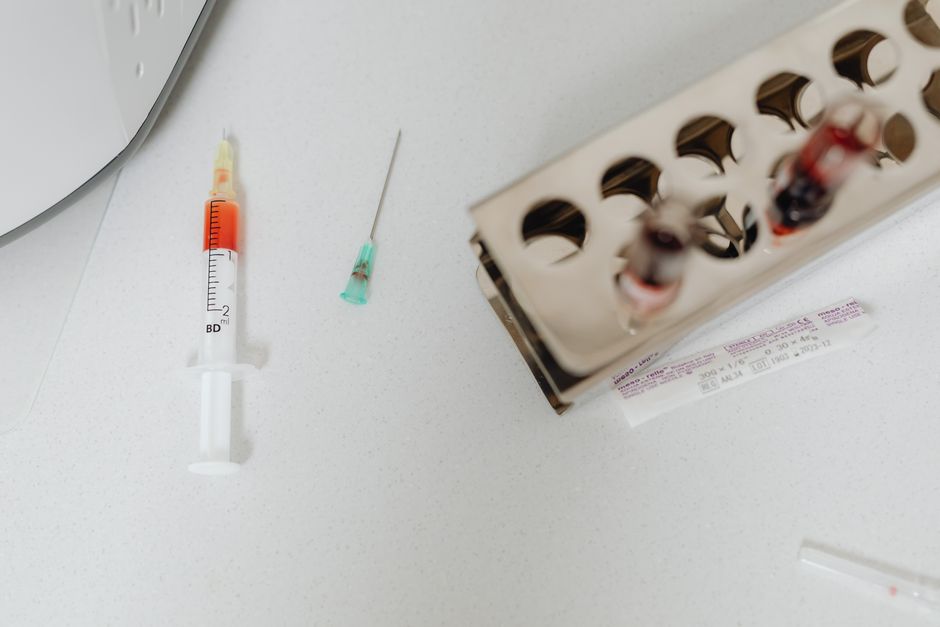
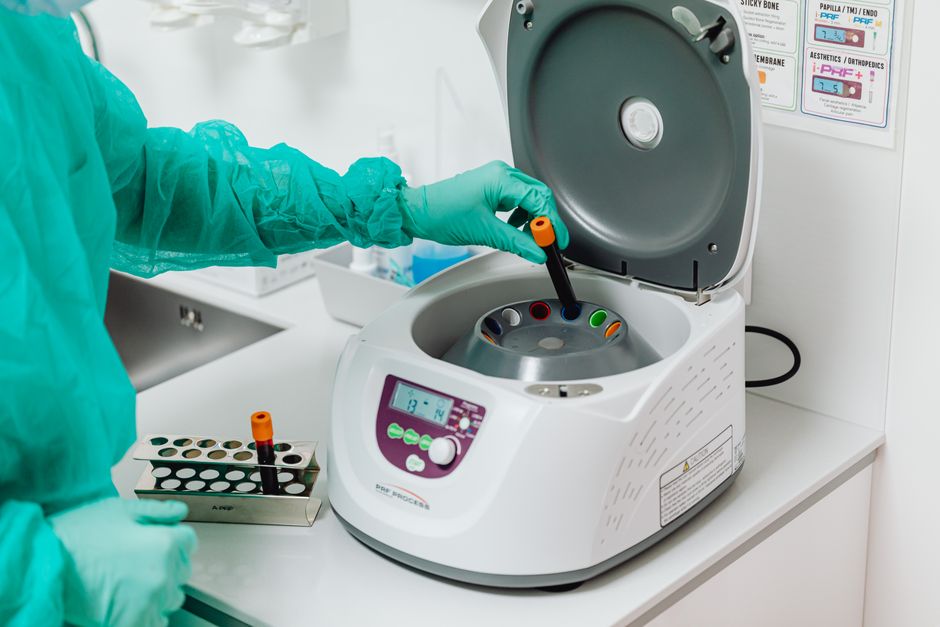
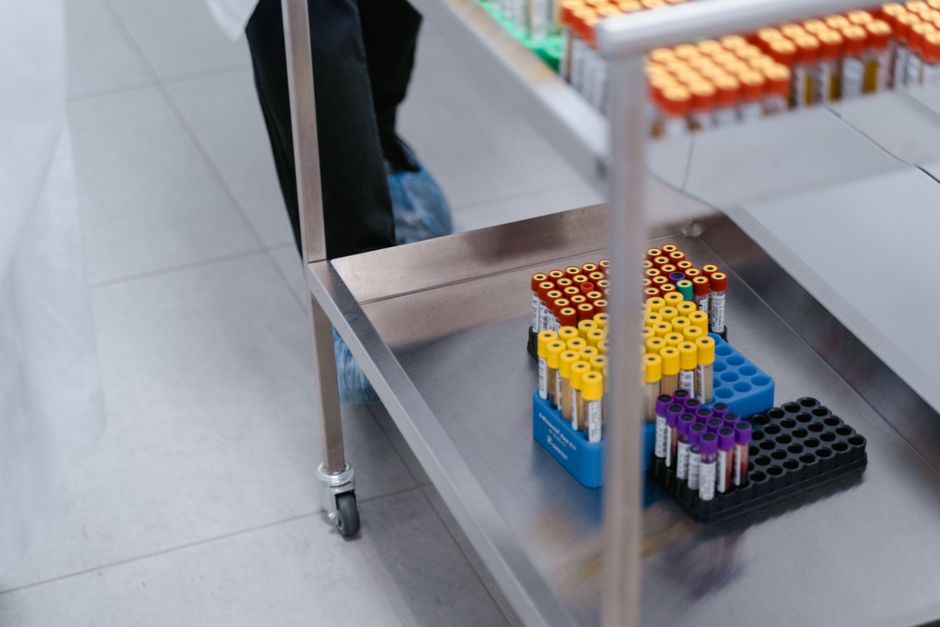
Assess whether further testing—such as blood work (including autoantibody screening if clinically indicated), imaging, or a biopsy—is needed to rule out conditions like autoimmune disorders or oral cancer.
Provide a clear plan for next steps, whether that’s referral to a specialist, targeted treatment, or ongoing monitoring.
Offer reassurance and guidance tailored to your unique situation, ensuring you feel supported every step of the way.
Telehealth consultations are particularly valuable for patients in regional or remote areas, as they eliminate the need for travel while still delivering expert care. If an in-person assessment is required—such as for a biopsy or advanced imaging—we’ll coordinate this seamlessly to minimise disruption to your routine.
What’s Next for Autoantibody Testing in Oral Health?
The research highlighted in a recent Nature study on plasma autoantibody profiling via PhIP-seq and machine learning (2026) represents an exciting step forward in precision medicine. By analysing patterns of autoantibodies in blood samples, scientists aim to develop non-invasive tools that can identify early signs of autoimmune diseases or even precancerous changes in the mouth. While this technology is not yet available in clinical practice, it reflects the broader shift towards personalised diagnostics. For now, the most reliable approach remains a combination of thorough clinical assessment, targeted testing, and collaboration with specialists like those at Melbourne Oral Medicine.
FAQ
Can autoantibody testing replace a biopsy for diagnosing oral cancer?
Not currently. While autoantibody profiling shows promise as a research tool, biopsies remain the standard for diagnosing oral cancer or precancerous changes. However, future advancements in this area may complement traditional methods by providing additional insights into a patient’s risk profile.
Are there specific blood tests for oral lichen planus?
There are no definitive blood tests for oral lichen planus, but certain autoantibodies—such as those against desmoglein or other mucosal antigens—have been linked to the condition. Dr Alqudah may recommend blood work if autoimmune disease is suspected, as part of a broader diagnostic evaluation.
How soon can I get a telehealth consultation?
Appointments are typically available within 1–2 weeks, depending on availability. You can book directly through our website or by contacting our friendly team. We’re here to support you promptly and professionally.




Add Comment