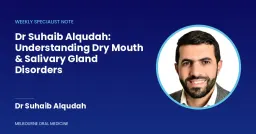
Experiencing a persistent dry or burning sensation in your mouth can be distressing, impacting your ability to eat, speak, and enjoy life. While both dry mouth and burning mouth syndrome can cause discomfort, they are distinct conditions with different underlying causes. Understanding these differences is the first step towards effective management. At Melbourne Oral Medicine, we specialise in diagnosing and managing a wide range of oral conditions, including those that cause these uncomfortable oral sensations. Dr Suhaib Alqudah, a registered Oral Medicine Specialist, offers Australia-wide secure video consultations to help you understand what’s troubling you without the need for extensive travel.
Understanding Dry Mouth (Xerostomia)
Dry mouth, medically known as xerostomia, is a condition where the salivary glands in your mouth do not produce enough saliva to keep your mouth moist. Saliva plays a crucial role in maintaining oral health; it aids in chewing, swallowing, speech, and digestion, and it helps protect your teeth and gums from decay and infection. When saliva flow is reduced, you might notice a persistent feeling of dryness, a sticky or pasty sensation, or difficulty speaking and swallowing. Other common symptoms include a rough tongue, cracked lips, increased thirst, and a change in taste. Reduced saliva flow can also lead to a higher risk of dental caries, gum disease, and oral thrush. Various factors can contribute to xerostomia, including medications, medical treatments like radiation therapy to the head and neck, certain systemic diseases, and dehydration. The literature highlights that xerostomia can arise from diverse etiologies, underscoring the importance of a thorough assessment to identify the cause.
What is Burning Mouth Syndrome?
Burning Mouth Syndrome (BMS) is a complex condition characterised by a burning sensation in the mouth, most commonly on the tongue, but it can also affect the lips, gums, palate, or throat. Unlike dry mouth, individuals with BMS may have a normal salivary flow. The sensation is often described as scalding or burning, and it can be constant or intermittent. Other symptoms may include a dry or altered taste, increased thirst, and sometimes a pins-and-needles sensation. BMS can significantly impact a person's quality of life, leading to sleep disturbances, anxiety, and depression. The exact cause of BMS is not always clear, but it is thought to involve a combination of factors, potentially including nerve dysfunction, hormonal changes, nutritional deficiencies, and psychological factors. Research indicates that BMS can be related to medical management issues, and its presentation can overlap with conditions like hyposalivation and dry mouth, making accurate diagnosis crucial.
Distinguishing the Symptoms and When to Seek Help
The key difference often lies in the presence of actual dryness versus the sensation of burning. If you experience a constant feeling of dryness, difficulty swallowing or speaking, and notice your tongue feels rough or sticky, it points towards dry mouth. Red flags for both conditions include persistent, unexplained oral discomfort that doesn't resolve, significant changes in taste, or the development of sores or lesions. For dry mouth, a persistent lack of moisture can increase the risk of significant dental problems. For burning mouth syndrome, the chronic pain can be debilitating. Early assessment is vital to rule out other potential underlying conditions and to initiate appropriate management strategies. Conditions like oral lichen planus, which Dr Alqudah has extensive experience with, can sometimes present with burning or discomfort, highlighting the need for expert evaluation.
How an Online Oral Medicine Consultation Can Help
Navigating the complexities of oral symptoms can be overwhelming. An online consultation with an Oral Medicine specialist like Dr Suhaib Alqudah offers a convenient and accessible way to get expert advice. During a secure video consultation, Dr Alqudah can discuss your symptoms in detail, review your medical history, and assess visual information you can provide. This initial triage can help determine the likely cause of your discomfort, whether it's dry mouth, burning mouth syndrome, or another oral condition. Based on this assessment, recommendations can be made for further investigations, which might include blood tests to check for nutritional deficiencies or autoimmune markers, imaging if indicated, or a recommendation for a biopsy if a suspicious lesion is present. In some cases, a referral to another specialist may be necessary. This approach helps avoid unnecessary travel and provides a clear pathway forward, offering reassurance and a tailored plan for your care.
Managing Your Oral Health Concerns
Whether you're experiencing persistent dryness, a burning sensation, or other oral discomforts, seeking professional help is essential. Dr Alqudah's expertise in managing complex oral conditions, including oral mucosal diseases, orofacial pain, and salivary gland dysfunction, can provide clarity and effective management strategies. By leveraging telehealth, Melbourne Oral Medicine brings specialist care directly to you, Australia-wide. Taking the first step to understand your symptoms is crucial for improving your oral health and overall well-being.
Frequently Asked Questions
Can dry mouth cause a burning sensation?
Yes, a persistently dry mouth can sometimes lead to a burning sensation. The lack of moisture can irritate the oral tissues, causing discomfort that feels like burning. However, burning mouth syndrome can also occur with normal saliva flow.
Do I need a referral to see an Oral Medicine specialist?
While a referral from your dentist or GP is always welcome, it is not always necessary. Many patients self-refer for specialist oral medicine consultations. We encourage you to contact us to discuss your concerns.
How can I book an online consultation?
Booking an online consultation is simple. Please visit our website or contact our clinic directly to schedule your secure video appointment with Dr Suhaib Alqudah.
#Drymouth #Burningmouthsyndrome #Xerostomia #Oralmedicine #Telehealthaustralia #Orofacialpain
References
- Xerostomia of Various Etiologies: A Review of the Literature — Advances in clinical and experimental medicine : official organ Wroclaw Medical University · 2016
- Hyposalivation and Xerostomia and Burning Mouth Syndrome: Medical Management — Oral and maxillofacial surgery clinics of North America · 2022
- Pain Management and Rehabilitation for Central Sensitization in Temporomandibular Disorders: A Comprehensive Review — International journal of molecular sciences · 2022
- Temporomandibular Joint Disorders and Orofacial Pain — Dental clinics of North America · 2016
- Burning Mouth Syndrome — Dermatologic clinics · 2020
- Burning Mouth Syndrome — Dental clinics of North America · 2023
- Oral lichen planus - Differential diagnoses, serum autoantibodies, hematinic deficiencies, and management — Journal of the Formosan Medical Association = Taiwan yi zhi · 2018
- Oral Lichen Planus: An Update on Diagnosis and Management — American journal of clinical dermatology · 2024
Get in touch with Melbourne Oral Medicine
Have a question? Our team can help — book a consultation or explore our services. Book a consultation or explore our services.



Add Comment