Could Your Mouth Sores Be More Than Just a Cold Sore?.
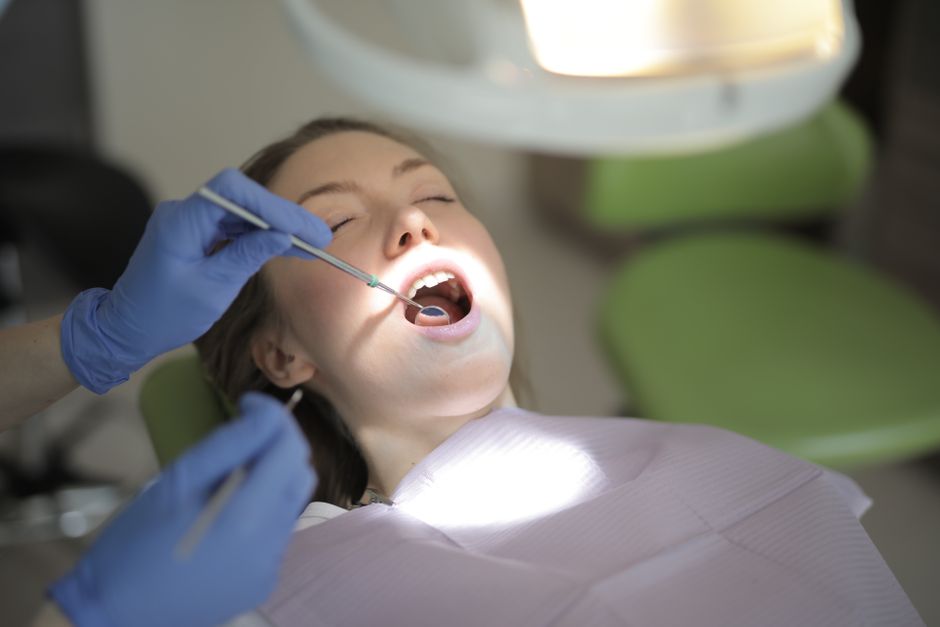
Photo: Andrea Piacquadio / Pexels
Mouth sores—whether they’re painful canker sores, persistent ulcers, or unusual patches—are more common than you think. While cold sores (caused by the herpes simplex virus) are the most familiar culprit, not all mouth sores are created equal. Some may signal underlying conditions that need specialist attention, especially if they’re recurring, slow to heal, or accompanied by other symptoms.
At Melbourne Oral Medicine, we understand how frustrating and worrying persistent mouth sores can be. Dr Suhaib Alqudah, our specialist Oral Medicine dentist, has extensive experience diagnosing and managing complex oral conditions—including those that don’t respond to standard treatments. If your mouth sores are causing concern, it’s important to rule out more serious causes, from autoimmune diseases to oral cancer risk. Early assessment can make all the difference.
When to Worry About Mouth Sores
Most people experience occasional canker sores (aphthous ulcers) or cold sores, which are usually harmless and resolve within a week or two. However, red flags include:
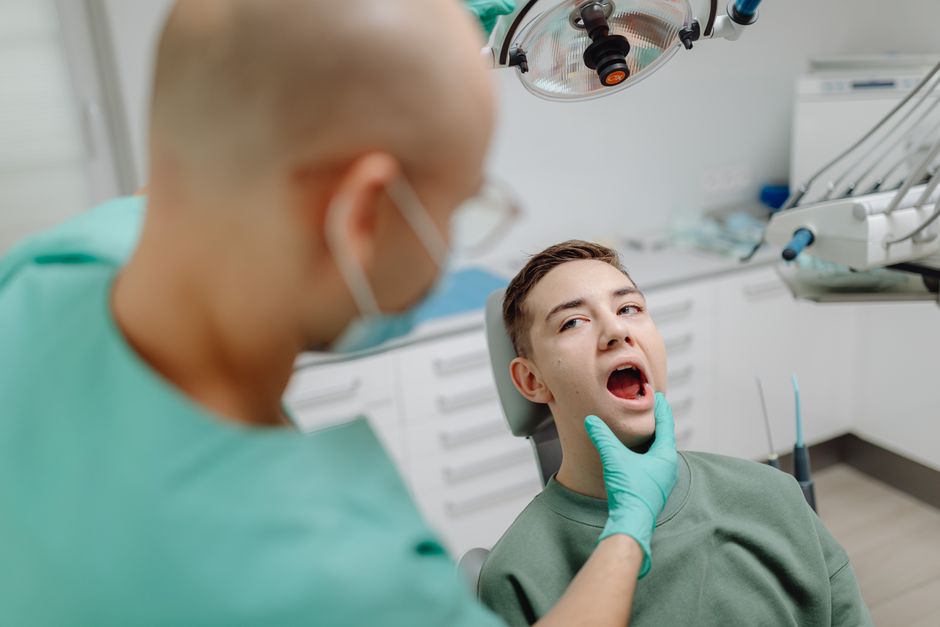
Photo: https://kaboompics.com/ / Pexels
Sores that last longer than three weeks or keep coming back without explanation.
White or red patches that don’t heal, bleed easily, or feel thickened.
Pain, swelling, or difficulty eating, drinking, or speaking.
Unusual symptoms like weight loss, fatigue, or changes in taste or sensation.
If you’re noticing any of these, it’s time to seek specialist advice. Conditions like oral lichen planus, candidiasis, or even precancerous changes can mimic common sores but require tailored treatment.
Common Causes Beyond Cold Sores
Cold sores (herpes labialis) are triggered by the herpes virus, but other mouth sores can stem from:
Canker sores (aphthous ulcers): Small, shallow ulcers with a white or yellow centre, often caused by minor trauma, stress, or dietary triggers like citrus or spicy foods.
Oral lichen planus: A chronic inflammatory condition that causes lacy white patches or painful red sores, sometimes linked to autoimmune responses.
Oral candidiasis (thrush): Fungal infections that create creamy white patches, especially in people with dry mouth or weakened immunity.
Oral leukoplakia: Thick, white patches that may develop into precancerous or cancerous cells, often linked to smoking or chronic irritation.
Autoimmune or systemic diseases: Conditions like lupus or Sjogren’s syndrome can cause persistent mouth ulcers or dryness.
Without proper diagnosis, these conditions can worsen or go unmanaged. That’s where specialist oral medicine comes in.
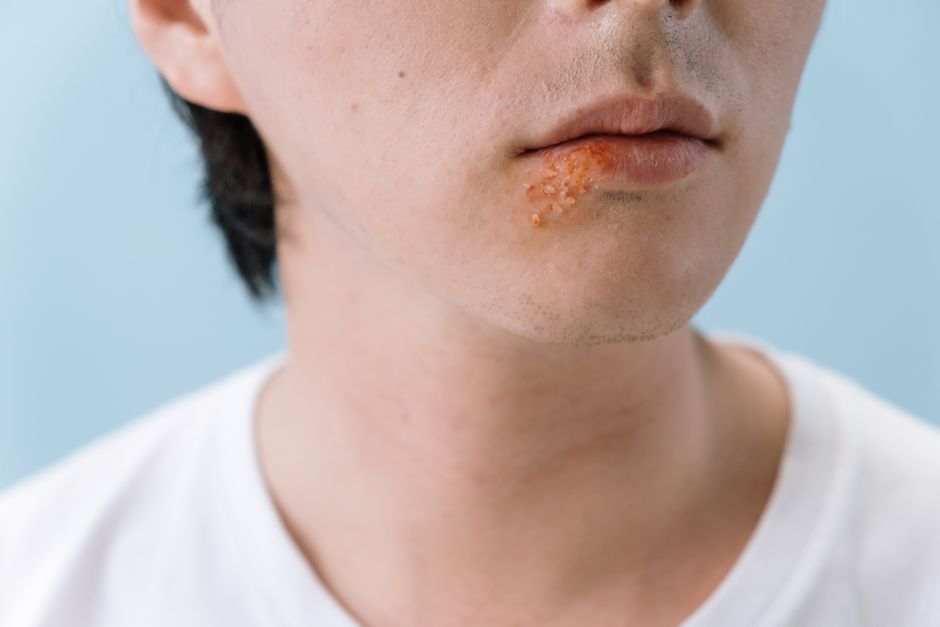
Photo: cottonbro studio / Pexels
Why See an Oral Medicine Specialist?
General dentists and even some GP clinics may not have the expertise to diagnose complex oral conditions. An Oral Medicine Specialist like Dr Alqudah has advanced training in diagnosing and treating rare or severe oral diseases. Our clinic offers:
Comprehensive assessments for persistent or unusual mouth sores.
Biopsies and lab testing if needed to rule out cancer or autoimmune causes.
Personalised treatment plans, from topical therapies to managing systemic conditions.
Australia-wide teleconsultations for convenience, especially if you’re unsure whether to seek help.
If you’ve tried over-the-counter remedies without success, a specialist can provide clarity and relief.
What to Expect During Your Consultation
Your appointment will begin with a detailed discussion of your symptoms, medical history, and any medications you’re taking. We’ll then examine your mouth thoroughly, using advanced tools if needed to assess the severity of your sores. Depending on the findings, we may recommend:
Further testing, such as biopsies or saliva analysis.
Referral to other specialists (e.g., dermatologists or immunologists) if your condition is linked to a broader health issue.
Customised treatment, whether it’s oral rinses, dietary adjustments, or managing underlying conditions like dry mouth.
Our goal is to provide a clear diagnosis and a practical plan to improve your comfort and oral health.
If you’re concerned about your mouth sores—or if they’re not healing as expected—don’t wait. Book a consultation with Melbourne Oral Medicine today. Our team is here to help you understand what’s causing your symptoms and take the next steps toward relief.





Add Comment