Clear Aligner Orthodontics: Navigating Care in a Digital Age.
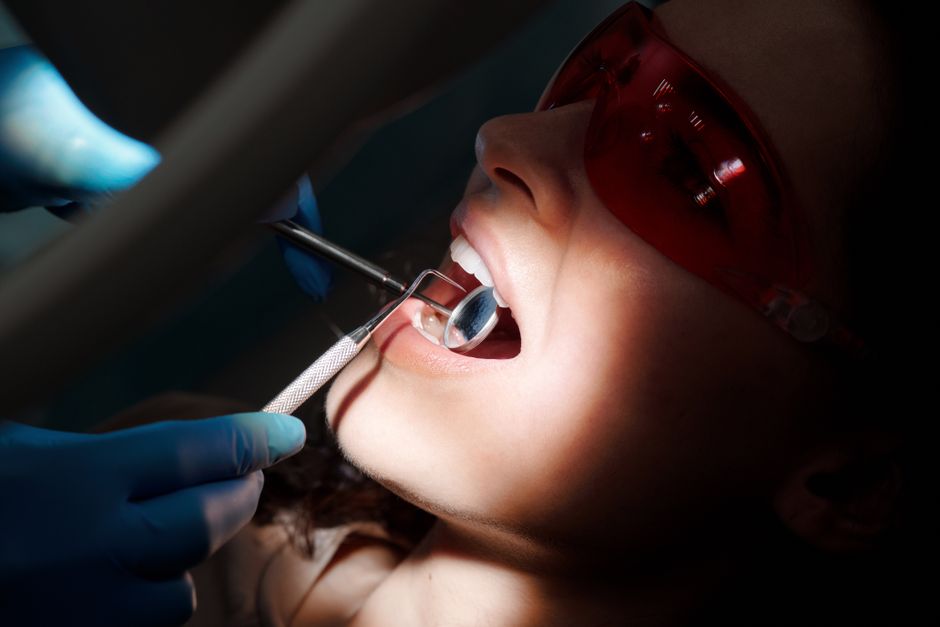
Photo: Cedric Fauntleroy / Pexels
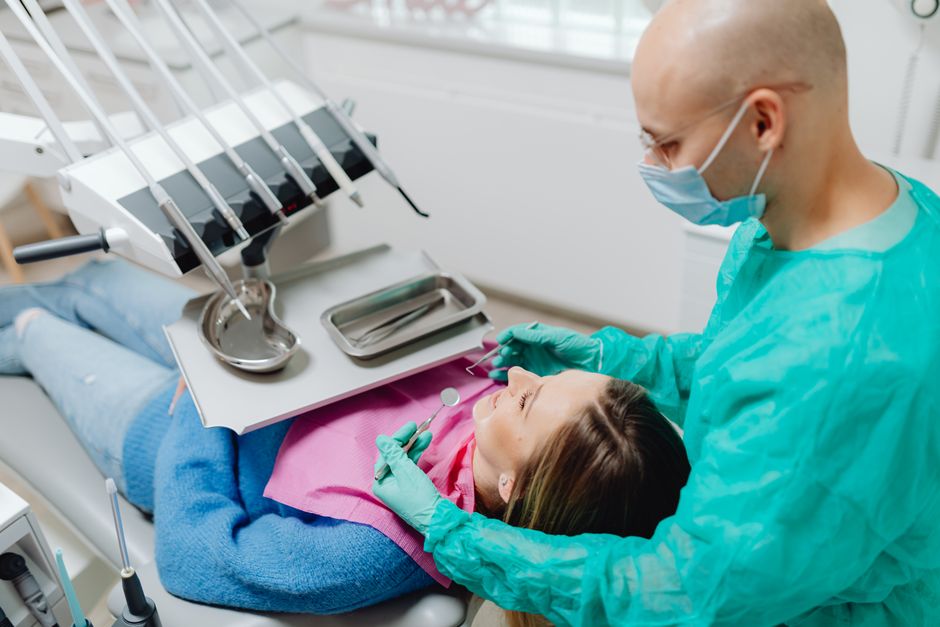
Clear aligner orthodontics has become a popular choice for many seeking to improve their smile, offering a discreet and often convenient alternative to traditional braces. However, as the digital landscape evolves and direct-to-consumer options become more prevalent, it's increasingly important for patients to understand the value of comprehensive professional oversight. Recent discussions in the industry have highlighted emerging legal risks associated with clear aligner orthodontics, often stemming from inadequate initial assessment or ongoing monitoring. For patients, this underscores the critical need for a thorough evaluation by a qualified dental professional to ensure safe and effective treatment, and to manage any potential complications that may arise.
The Importance of Comprehensive Assessment Before Clear Aligners
While clear aligners can be highly effective, successful outcomes depend on a precise diagnosis and a treatment plan tailored to your unique oral health. This goes beyond just straightening teeth; it involves considering your overall oral health, jaw function, and potential pre-existing conditions. Without a proper initial assessment, issues such as underlying temporomandibular joint (TMJ) disorders, existing oral mucosal diseases, or even undiagnosed dry mouth could be overlooked. For instance, pre-existing jaw pain or clicking might be exacerbated by changes in bite during aligner treatment. Similarly, ill-fitting aligners could irritate the oral tissues, leading to persistent ulcers or discomfort.
Potential Oral Health Complications and When to Seek Help
Even with appropriate care, orthodontic treatment can sometimes lead to unexpected oral health issues. If you are undergoing clear aligner treatment and experience persistent symptoms, it's important to seek specialist advice. Here are some common concerns:
Temporomandibular Joint (TMJ) Pain and Orofacial Pain: Changes in your bite or prolonged clenching, sometimes associated with aligner wear, can contribute to or worsen TMJ disorders. Symptoms may include jaw pain, clicking or popping sounds, difficulty opening or closing your mouth, headaches, or earaches. Such conditions can be complex, involving not just the joint but also surrounding muscles and nerves. (Dental clinics of North America · 2016; International journal of molecular sciences · 2022)
Persistent Mouth Ulcers or Oral Mucosal Irritation: While minor irritation can occur, persistent ulcers, red or white patches, or discomfort in your mouth that doesn't resolve could be a sign of an issue. This might be due to ill-fitting aligners, but it's crucial to rule out other conditions. (Journal of the Formosan Medical Association = Taiwan yi zhi · 2018; American journal of clinical dermatology · 2024)
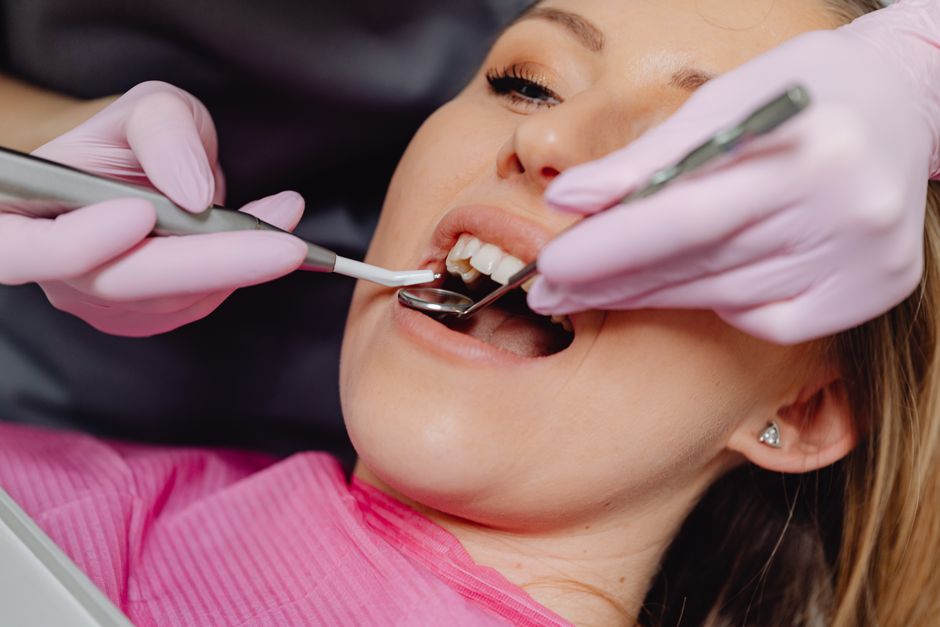
Photo: https://kaboompics.com/ / Pexels
Dry Mouth (Xerostomia) or Altered Taste: Although not directly caused by aligners, any changes to the oral environment can sometimes affect salivary flow or taste perception. Persistent dry mouth can lead to discomfort, increased risk of decay, and difficulty speaking or swallowing. (Advances in clinical and experimental medicine · 2016; Oral and maxillofacial surgery clinics of North America · 2022)
Burning Mouth Syndrome (BMS): While the exact cause of BMS is often unclear, it can present as a chronic burning sensation in the mouth without any obvious physical signs. If you develop such symptoms during or after aligner treatment, a specialist evaluation is warranted. (Dermatologic clinics · 2020; Dental clinics of North America · 2023)
Red flags include symptoms that worsen, don't improve, or are accompanied by other concerns like difficulty eating, speaking, or a noticeable change in your oral tissues.
How an Online Oral Medicine Consultation Can Help
If you're experiencing any of these concerns related to your clear aligner orthodontics, or simply feel worried about your oral health, Melbourne Oral Medicine offers specialist online (telehealth) consultations Australia-wide. Dr Suhaib Alqudah, a registered Oral Medicine Specialist with a PhD in Oral Lichen Planus, can provide a comprehensive assessment from the comfort of your home. During your consultation, Dr Alqudah will discuss your symptoms, review your medical and dental history, and evaluate any relevant images or reports you can provide. This remote assessment allows for accurate diagnosis and triage, helping to determine if your symptoms are related to your aligner treatment or an underlying oral medicine condition.
Diagnosis, Triage, and Avoiding Unnecessary Travel
Our online consultations are designed to provide clarity and a clear path forward. Dr Alqudah can offer reassurance, recommend specific diagnostic tests such as blood tests or imaging, or advise if a biopsy is necessary. He can also provide remote oral care planning, or facilitate appropriate referrals to other specialists, such as an orthodontist for a re-evaluation of your treatment plan, or other medical professionals if needed. This specialist assessment helps you avoid unnecessary travel and delays in receiving expert care, ensuring you get the right advice and management for your oral health concerns.
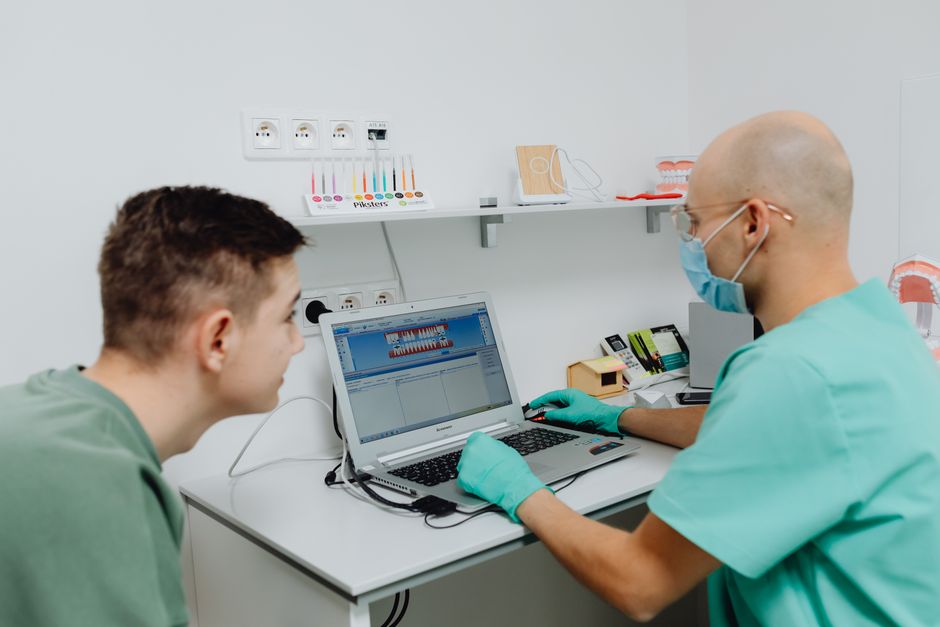
Photo: https://kaboompics.com/ / Pexels
Frequently Asked Questions
What if my jaw starts hurting during clear aligner treatment?
Jaw pain during orthodontic treatment can sometimes indicate an issue with your temporomandibular joint (TMJ) or surrounding muscles. It's important to have this assessed by a specialist to determine the cause and develop an appropriate management plan. An Oral Medicine specialist can evaluate your symptoms and guide you on the next steps.
Could clear aligners make my mouth feel dry or cause ulcers?
While clear aligners don't typically cause dry mouth, any oral appliance can sometimes alter the oral environment. If you experience persistent dry mouth or develop ulcers that don't heal, it's crucial to have them checked. These could be symptoms of other oral conditions that require specialist diagnosis and management.
When should I be concerned about a persistent patch or lesion in my mouth during aligner treatment?
Any persistent patch, lesion, or area of discomfort in your mouth that doesn't resolve within two weeks should be evaluated by a dental professional. An Oral Medicine specialist can accurately diagnose such changes and recommend further investigations, such as a biopsy, if necessary, to rule out more serious conditions.
If you are concerned about your oral health during or after clear aligner treatment, or if you are a referring GP or dentist seeking specialist input, we encourage you to get in touch. Book an online consultation with Dr Suhaib Alqudah at Melbourne Oral Medicine today to ensure your oral health is in expert hands.
Reference: Clear aligner orthodontics: emerging legal risks in the changing digital landscape. Dentistry.co.uk. September 4, 2026.



Add Comment