Changing the Narrative: Menopause and Your Oral Health.
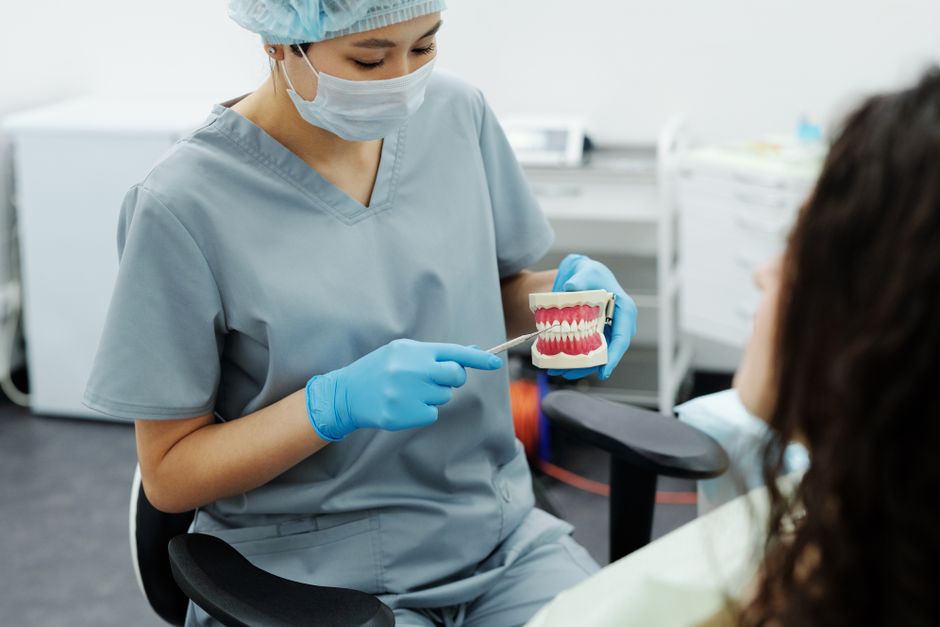
Photo: Cedric Fauntleroy / Pexels
Menopause is a significant life stage for women, marked by hormonal shifts that can impact various bodily systems, including oral health. While often discussed in terms of hot flushes and bone density, it's time we started changing the narrative on menopause and dental health, recognising the unique oral challenges many women face during this period. At Melbourne Oral Medicine, we understand these concerns and offer specialist online assessments across Australia to help diagnose and manage these complex conditions.
Understanding Dry Mouth (Xerostomia) During Menopause
Dry mouth, medically known as xerostomia, is a common symptom reported during menopause. It occurs when your salivary glands don't produce enough saliva, which is vital for maintaining oral health, aiding digestion, and protecting against tooth decay. Hormonal fluctuations, particularly a decrease in oestrogen, can influence salivary gland function (Advances in clinical and experimental medicine : official organ Wroclaw Medical University · 2016). Symptoms typically include a persistent dry, sticky feeling in the mouth, difficulty swallowing or speaking, altered taste, and a burning sensation. Red flags include worsening dryness, increased thirst, or frequent oral infections. If these symptoms persist, it's important to seek specialist advice. An online Oral Medicine consultation with Dr. Suhaib Alqudah can assess your symptoms, discuss potential causes, and help develop a management plan, which might include saliva substitutes, lifestyle adjustments, or further investigations to rule out other conditions (Oral and maxillofacial surgery clinics of North America · 2022), all from the comfort of your home.
Burning Mouth Syndrome (BMS) and Hormonal Changes
Burning Mouth Syndrome (BMS) is a chronic pain condition characterised by a burning, scalding, or tingling sensation in the mouth, often without any visible signs of irritation. It frequently affects the tongue, lips, and roof of the mouth. While the exact cause can be complex, hormonal changes during menopause are considered a contributing factor for some individuals (Dermatologic clinics · 2020; Dental clinics of North America · 2023). Symptoms can vary in intensity and may be accompanied by dry mouth or altered taste. If you experience a persistent burning sensation that doesn't resolve, it's crucial to seek a specialist opinion. Dr. Alqudah can conduct a thorough remote assessment to differentiate BMS from other conditions, discuss potential triggers, and guide you towards appropriate management strategies, potentially involving medication, lifestyle modifications, or further diagnostic tests (Oral and maxillofacial surgery clinics of North America · 2022), saving you unnecessary travel.
Photo: https://kaboompics.com/ / Pexels
Oral Lichen Planus and Other Mucosal Changes
Oral lichen planus (OLP) is a chronic inflammatory condition that affects the mucous membranes inside your mouth. It can appear as white lacy patches, red swollen tissues, or open sores, often causing discomfort, burning, or sensitivity to certain foods. While not directly caused by menopause, OLP can manifest or become more symptomatic during this life stage, and Dr. Alqudah's PhD research focused on this condition. Other mucosal changes, such as gingivitis or periodontitis, can also be influenced by hormonal shifts. Persistent sores, unusual white or red patches, or any changes in your oral tissues that don't heal within two weeks are red flags that warrant immediate attention. Through a secure online consultation, Dr. Alqudah can evaluate your oral lesions, discuss your medical history, and advise on necessary investigations such as blood tests or, if indicated, a local biopsy. This specialist assessment helps ensure an accurate diagnosis and appropriate management plan, including referrals if needed, without the need for in-person travel.
Orofacial Pain and TMJ Concerns
Hormonal fluctuations during menopause may also influence pain perception or exacerbate existing temporomandibular disorders (TMDs) and other forms of chronic orofacial pain. TMDs affect the jaw joints and surrounding muscles, leading to symptoms like jaw pain, clicking or popping sounds, difficulty chewing, or headaches (Dental clinics of North America · 2016). If you experience persistent jaw pain, limited jaw movement, or discomfort in your facial muscles, it's important to have it assessed. While TMDs have multiple causes, managing pain effectively often involves a comprehensive approach (International journal of molecular sciences · 2022). An online consultation allows Dr. Alqudah to discuss your pain patterns, medical history, and guide you through self-assessment techniques. He can then recommend appropriate management strategies, which might include lifestyle advice, physical therapy referrals, or medication, helping to triage your condition and avoid unnecessary travel.
The Specialist Difference: Comprehensive Care from Home
Dr. Suhaib Alqudah, a registered Oral Medicine Specialist with a Doctor of Clinical Dentistry in Oral Medicine and a PhD in Oral Lichen Planus from the University of Melbourne, brings extensive experience in diagnosing and managing complex oral and maxillofacial conditions. At Melbourne Oral Medicine, we offer specialist online consultations Australia-wide, providing expert assessment and care for patients experiencing oral health challenges during menopause. Our remote service allows for timely diagnosis, comprehensive care planning, and reassurance, often avoiding the need for extensive travel, especially for those in regional or remote areas. We work closely with your referring GP or dentist to ensure integrated care.
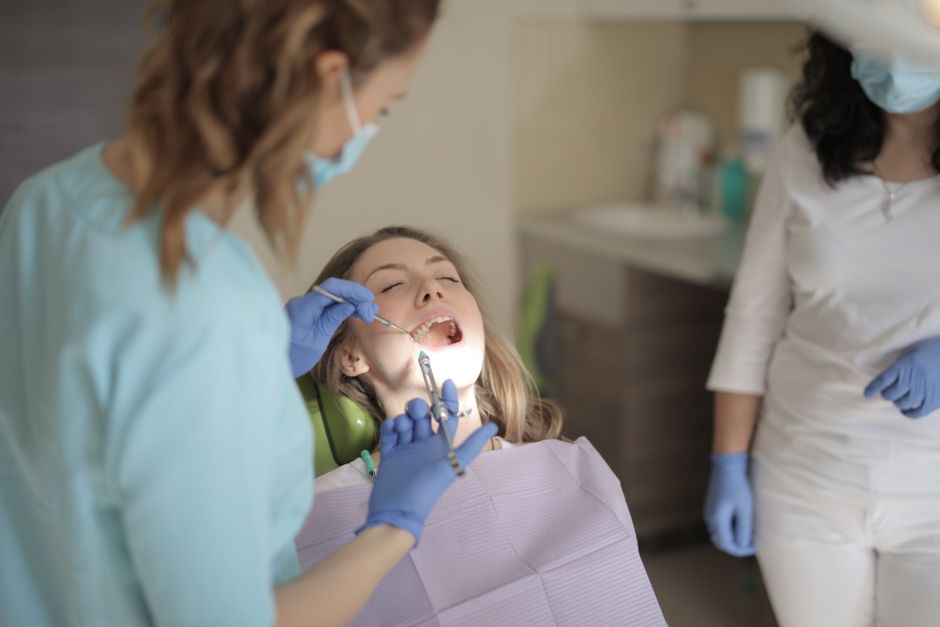
Photo: Miriam Alonso / Pexels
Frequently Asked Questions
Can menopause truly affect my mouth?
Yes, hormonal changes during menopause can influence various aspects of your oral health, leading to symptoms like dry mouth, altered taste, or increased sensitivity. A specialist oral medicine assessment can help determine the cause of your symptoms.
When should I seek specialist help for oral changes during menopause?
If you experience persistent dry mouth, a burning sensation, unusual changes to your oral tissues, or new jaw pain, it's advisable to seek a specialist opinion. Early assessment can lead to timely management and peace of mind.
How does an online consultation work for these conditions?
Melbourne Oral Medicine offers secure video consultations where Dr. Alqudah can carefully assess your symptoms, review your medical history, and provide a provisional diagnosis and a clear management plan. This may include recommendations for blood tests, imaging, or, if necessary, a referral for a local biopsy or other specialist care, all without the need for travel.
If you are experiencing persistent oral symptoms during menopause, don't hesitate to seek specialist care. Melbourne Oral Medicine is here to provide expert, accessible support. We encourage you to get in touch or book a secure online consultation with Dr. Suhaib Alqudah today to discuss your concerns.
Inspired by: "Changing the narrative on menopause and dental health" (dentistry.co.uk)




Add Comment