Can You Prevent Oral Lichen Planus? Daily Care Tips for Your Mouth.
Photo: Tima Miroshnichenko / Pexels
Oral lichen planus is a chronic inflammatory condition affecting the mouth’s mucosal lining, often causing uncomfortable symptoms like white lacy patches, redness, or burning sensations. While its exact cause remains unclear, research suggests a combination of autoimmune responses, genetic predisposition, and environmental triggers may play a role. Dr Suhaib Alqudah, a specialist Oral Medicine consultant with a PhD in oral lichen planus from the University of Melbourne, emphasises that while we can’t always prevent the condition, proactive daily care and lifestyle adjustments may help reduce flare-ups and manage symptoms effectively.
If you’re experiencing persistent mouth sores, unusual patches, or unexplained discomfort, it’s important to understand the signs and seek early assessment. Oral lichen planus can sometimes mimic other conditions like oral candidiasis, aphthous ulcers, or even early signs of oral cancer, so accurate diagnosis is key. Melbourne Oral Medicine offers secure telehealth consultations Australia-wide, allowing you to discuss your symptoms with Dr Alqudah remotely—saving you time and avoiding unnecessary travel while receiving expert guidance.
What Is Oral Lichen Planus?
Oral lichen planus (OLP) is an autoimmune disorder where the body’s immune system mistakenly attacks healthy cells in the mouth, leading to inflammation and characteristic lesions. These lesions often appear as white, lacy networks (reticular pattern), raised white patches (plaques), or red, erosive areas. In some cases, the condition may also affect the skin, nails, or genitals. While OLP is not contagious or cancerous, it can cause significant discomfort, particularly for those with erosive or painful variants. Research highlights that OLP affects approximately 1–2% of the general population, with women and individuals over 40 being more commonly affected (*American Journal of Clinical Dermatology*, 2024).
Common Symptoms and When to Seek Help
Symptoms of oral lichen planus can vary widely, but common signs include:
Photo: Tara Winstead / Pexels
White lacy patches or lines on the inner cheeks, gums, or tongue (reticular OLP).
Red, painful sores or erosions (erosive OLP), which may bleed or make eating/drinking difficult.
Burning, tingling, or a metallic taste in the mouth.
Swelling or tenderness in the mouth, particularly after eating spicy or acidic foods.
Chronic dry mouth or difficulty swallowing in severe cases.
While many people with OLP experience mild symptoms that come and go, others may develop persistent pain or complications like secondary infections. Red flags that warrant immediate attention include:
Lesions that do not heal within 2–3 weeks or continue to worsen.
Unusual growths, persistent ulcers, or patches that bleed easily.
Difficulty chewing, swallowing, or speaking due to pain.
Associated symptoms like fatigue, unexplained weight loss, or other autoimmune conditions (e.g., thyroid disease, vitiligo).
If you’re experiencing any of these symptoms, especially if they’re persistent or worsening, a remote consultation with Dr Alqudah can help determine whether further testing—such as blood work, a biopsy, or imaging—is needed to rule out other conditions or confirm a diagnosis.
Daily Care Tips to Protect Your Mouth
While oral lichen planus cannot always be prevented, adopting a proactive approach to oral hygiene and lifestyle can help minimise triggers and reduce flare-ups. Research suggests that certain habits—such as avoiding irritants, managing stress, and maintaining a balanced diet—may play a role in symptom management (*Journal of the Formosan Medical Association*, 2018). Here’s how you can support your mouth’s health:
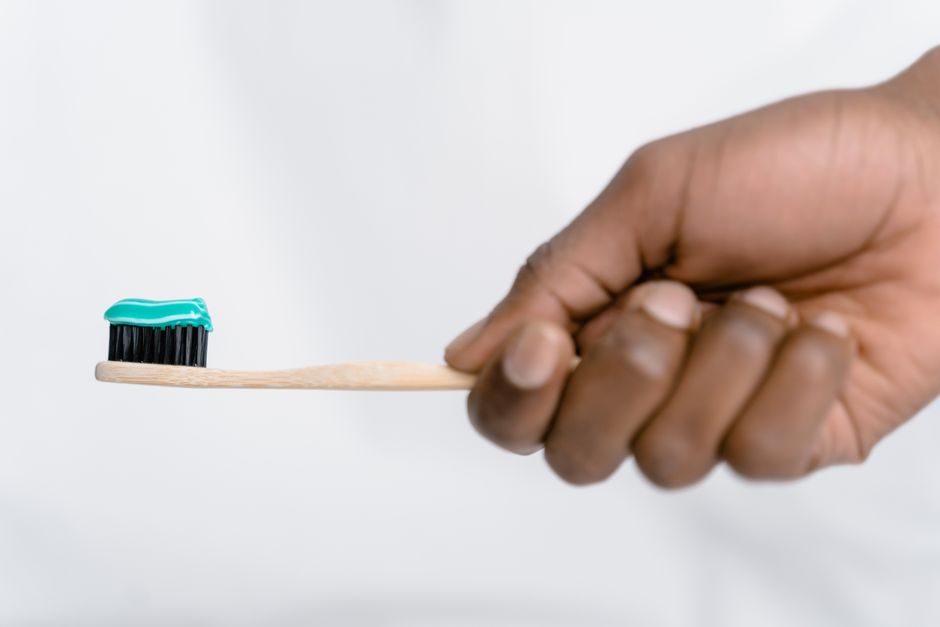
Practice Gentle Oral Hygiene: Use a soft-bristled toothbrush and avoid harsh abrasives. Electric toothbrushes with pressure sensors can help prevent over-brushing, which may irritate lesions. Fluoride toothpaste is generally safe, but avoid whitening or alcohol-based products, as these can exacerbate symptoms.
Avoid Known Triggers: Common irritants include acidic foods (citrus, tomatoes), spicy foods, alcohol, and tobacco. If you suspect certain foods or drinks worsen your symptoms, consider keeping a symptom diary to identify patterns. Stress is also a significant trigger for many patients, so techniques like mindfulness, meditation, or gentle exercise may help.
Stay Hydrated and Manage Dry Mouth: Xerostomia (dry mouth) can worsen oral irritation and is often linked to medications (e.g., antihistamines, antidepressants) or systemic conditions. Sipping water regularly, using sugar-free saliva substitutes, or chewing sugar-free gum can provide relief. If dry mouth is persistent, a telehealth consultation can help determine whether salivary gland dysfunction or medication adjustments are contributing factors (*Advances in Clinical and Experimental Medicine*, 2016).
Choose Nutrient-Rich Foods: A diet rich in antioxidants, vitamins (particularly B vitamins, vitamin D, and zinc), and omega-3 fatty acids may support oral health. Leafy greens, nuts, seeds, and fatty fish are excellent choices. Conversely, limit processed foods, refined sugars, and excessive caffeine, as these can contribute to inflammation.
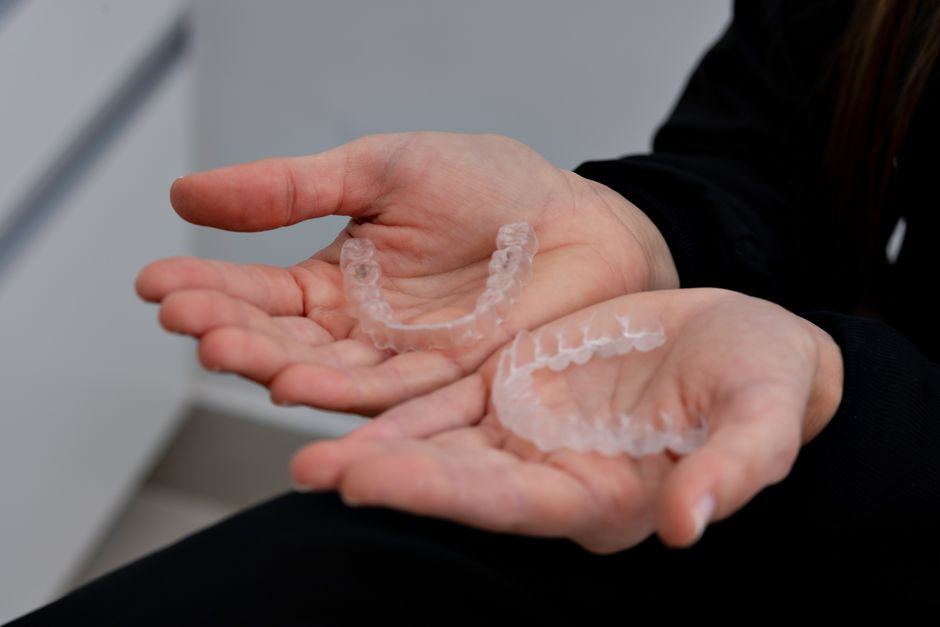
Protect Your Mouth from Irritation: Avoid sharp or hard foods that may cause accidental trauma to lesions. If you grind your teeth (bruxism), a custom-fitted nightguard may help prevent further irritation. Regular dental check-ups are also essential to monitor for any changes in your oral tissues.
How Online Oral Medicine Consultations Can Help
If you’re concerned about potential oral lichen planus—or any persistent mouth symptoms—Melbourne Oral Medicine provides secure, Australia-wide telehealth consultations to assess your condition remotely. During your consultation with Dr Alqudah, you’ll discuss your symptoms, medical history, and any contributing factors (e.g., medications, stress, or dietary habits). This approach allows for:
Photo: hello aesthe / Pexels
Accurate Triage: Dr Alqudah will differentiate oral lichen planus from other conditions like oral candidiasis, aphthous ulcers, or precancerous lesions, ensuring you receive the right care without unnecessary worry.
Personalised Recommendations: Based on your symptoms and triggers, you’ll receive tailored advice on management strategies, including dietary adjustments, oral hygiene tips, and stress-reduction techniques.
Further Testing if Needed: If a biopsy, blood tests (e.g., for autoimmune markers or nutritional deficiencies), or imaging is required, Dr Alqudah will guide you on the next steps—often coordinating with local healthcare providers to minimise travel.
Peace of Mind: Many patients experience anxiety when dealing with unexplained mouth symptoms. A telehealth consultation provides reassurance, clarity, and a clear action plan—all from the comfort of your home.
Whether you’re a worried patient or a referring GP seeking expert advice, Melbourne Oral Medicine’s telehealth service ensures you receive specialist Oral Medicine care without delays. Book your consultation today to discuss your concerns and take the first step towards better oral health.
Question? Can oral lichen planus go away on its own?
Oral lichen planus is typically a chronic condition with periods of flare-ups and remission. While some patients experience spontaneous improvements, especially in milder cases, the condition often requires ongoing management to control symptoms. Early intervention with a specialist like Dr Alqudah can help identify triggers and develop a personalised plan to reduce flare-ups and improve quality of life.
Question? Are there specific foods I should avoid if I have oral lichen planus?
Certain foods and drinks can irritate oral lichen planus lesions, particularly acidic, spicy, or alcoholic beverages. Common triggers include citrus fruits, tomatoes, vinegar, alcohol, and tobacco. Keeping a food diary can help you identify personal triggers. If you’re unsure whether your diet is contributing to your symptoms, a telehealth consultation with Dr Alqudah can provide guidance tailored to your specific case.
Question? How do I know if my mouth sores are something more serious?
While most mouth sores are harmless, persistent or unusual lesions—particularly those that don’t heal within 2–3 weeks, bleed easily, or are accompanied by other concerning symptoms—should be evaluated by a specialist. If you notice changes in your oral tissues (e.g., unusual growths, persistent pain, or difficulty eating/drinking), contact Melbourne Oral Medicine for a remote assessment. Early diagnosis is key to ruling out conditions like oral cancer or severe infections.





Add Comment