Can Supplements Help Severe Gum Disease? What You Need to Know.
Photo: Nataliya Vaitkevich / Pexels
Recent research suggests that certain supplements may rival antibiotics in managing severe gum disease—a finding that could change how we approach oral health. While antibiotics remain a cornerstone of treatment for advanced periodontal conditions, emerging evidence highlights natural alternatives that may offer comparable benefits without the risks of resistance or side effects. For patients concerned about their gum health, understanding these options—and when to seek specialist advice—is crucial.
At Melbourne Oral Medicine, we help patients navigate complex oral health issues, including severe gum disease, through secure telehealth consultations. Our specialist, Dr Suhaib Alqudah, combines expertise in oral medicine with a deep understanding of systemic and autoimmune-related oral conditions. If you’re exploring supplements for gum health—or worried about persistent symptoms—our remote assessments can provide clarity without the need for travel.
What Is Severe Gum Disease?
Severe gum disease, or periodontitis, is a chronic inflammatory condition that destroys the tissues supporting your teeth. Unlike mild gum inflammation (gingivitis), periodontitis involves deep pocketing between teeth and gums, bone loss, and potential tooth loss if untreated. Common symptoms include:
Persistent bad breath despite oral hygiene
Red, swollen, or tender gums that bleed easily
Receding gums exposing tooth roots
Loose or shifting teeth
Pus around the gums
While antibiotics (such as metronidazole or amoxicillin) are often prescribed to control bacterial overgrowth, recent studies suggest supplements like probiotics, omega-3 fatty acids, and vitamin D may offer comparable anti-inflammatory effects. A 2023 review in Advances in Clinical and Experimental Medicine noted that probiotics, in particular, can modulate oral microbiota and reduce periodontal inflammation, potentially reducing the need for antibiotics in some cases.
How Supplements May Help (and What the Evidence Shows)
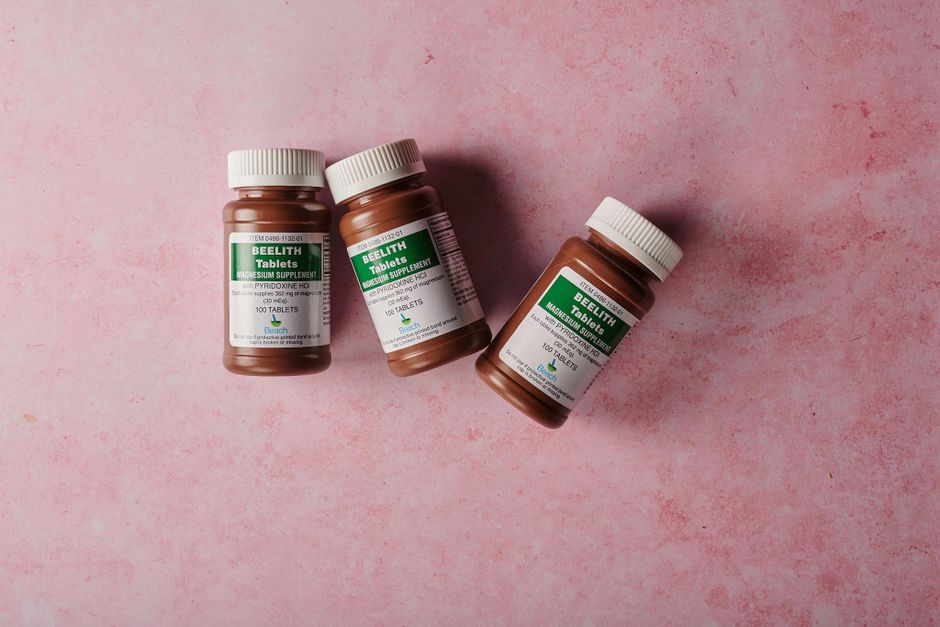
The idea that supplements could rival antibiotics for gum disease isn’t new, but recent research has strengthened the case. A 2026 study published in Science Daily highlighted that specific probiotic strains (e.g., Lactobacillus reuteri and Streptococcus salivarius) demonstrated antibacterial and anti-inflammatory properties comparable to low-dose antibiotics in clinical trials. Similarly, omega-3 fatty acids (found in fish oil) have been shown to reduce gum inflammation by lowering pro-inflammatory cytokines, as outlined in Oral and Maxillofacial Surgery Clinics of North America (2022).
Photo: Beelith USA / Pexels
However, it’s important to note that supplements are not a replacement for professional dental care. They may support treatment but should never delay seeking help for severe symptoms. If you’re considering supplements, our telehealth consultations can help determine whether they’re appropriate for your condition—and whether additional interventions (like scaling or referral to a periodontist) are needed.
When Should You Be Concerned?
While mild gum redness or occasional bleeding may resolve with improved oral hygiene, red flags include:
Persistent gum pain or swelling that doesn’t improve with brushing
Visible bone loss on dental X-rays (often detected during routine check-ups)
Teeth that feel loose or shift when biting
Unpleasant taste or persistent oral infections
If you’re experiencing these symptoms—or if over-the-counter remedies and supplements aren’t helping—our remote assessments can provide a clear diagnosis. Through secure video consultations, Dr Alqudah can:
Review your symptoms and medical history
Recommend blood tests or salivary diagnostics if autoimmune or nutritional factors are suspected
Advise on safe supplement use or refer you to a periodontist for advanced treatment
Avoid unnecessary travel while ensuring you receive expert care
This approach is particularly valuable for patients with systemic conditions (e.g., diabetes or autoimmune diseases), where gum health is closely linked to overall wellbeing.
How Online Oral Medicine Consultations Help
For many patients, severe gum disease is accompanied by broader health concerns, such as dry mouth (xerostomia), taste alterations, or oral sensory symptoms. These can complicate diagnosis and treatment. Our telehealth service allows us to:
Photo: ready made / Pexels
Assess oral mucosal health remotely, including signs of infection, inflammation, or underlying autoimmune conditions like oral lichen planus.
Triage urgent cases, such as suspected oral cancer or severe infections, ensuring prompt referral if needed.
Provide personalised advice on supplements, oral hygiene, and lifestyle adjustments without leaving home.
Coordinate with your dentist or GP to ensure a unified treatment plan.
Whether you’re exploring supplements as part of your gum disease management or simply seeking reassurance, our consultations offer a convenient, evidence-based pathway to better oral health.
FAQ
Can supplements replace antibiotics for gum disease?
Supplements like probiotics and omega-3s may support gum health and reduce inflammation, but they are not a substitute for antibiotics in severe cases. Antibiotics are still essential for controlling bacterial infections, especially when deep pockets or bone loss are present. Always consult our specialist to tailor treatment to your needs.
Are there risks to taking supplements for gum disease?
While generally safe, supplements can interact with medications or exacerbate conditions like autoimmune diseases. For example, high-dose vitamin D may worsen dry mouth symptoms in some patients. Our telehealth assessments include a review of your full medical history to ensure supplement safety and effectiveness.
How do I know if my gum disease is severe enough for specialist care?
If you experience persistent symptoms—such as bleeding gums, tooth mobility, or unexplained oral pain—even after trying supplements or improved hygiene, it’s time to seek specialist advice. Our remote consultations can help determine whether your case requires further intervention, such as scaling, antibiotics, or referral to a periodontist.
If you’re concerned about gum disease—or exploring supplements as part of your treatment—book a secure telehealth consultation with Melbourne Oral Medicine today. Our team is here to provide clear, evidence-based guidance tailored to your needs, all from the comfort of your home.






Add Comment