Biopsy-Free Testing for Oral Cancer: Could Autoantibody Screening Be Your Future?.
Photo: Steppe Walker / Pexels
Oral cancer remains one of the most concerning yet preventable cancers in Australia, with early detection playing a critical role in improving outcomes. While traditional screening methods like visual examinations and biopsies have been the gold standard, emerging research suggests that biopsy-free testing—specifically through autoantibody screening—could revolutionise how we identify high-risk patients before symptoms even appear.
At Melbourne Oral Medicine, we understand the anxiety that comes with persistent oral symptoms or concerns about cancer risk. Dr Suhaib Alqudah, our specialist Oral Medicine consultant, combines decades of experience in complex oral health—including his PhD research at the University of Melbourne and clinical work at the Royal Dental Hospital and Peter MacCallum Cancer Centre—with the latest advancements in diagnostic technology. If you’re a worried patient or a referring GP or dentist seeking a more precise, less invasive approach to oral cancer screening, this article explains how autoantibody testing could change the game—and how our secure telehealth consultations can help you explore these options without unnecessary travel or delay.
What Is Autoantibody Screening for Oral Cancer?
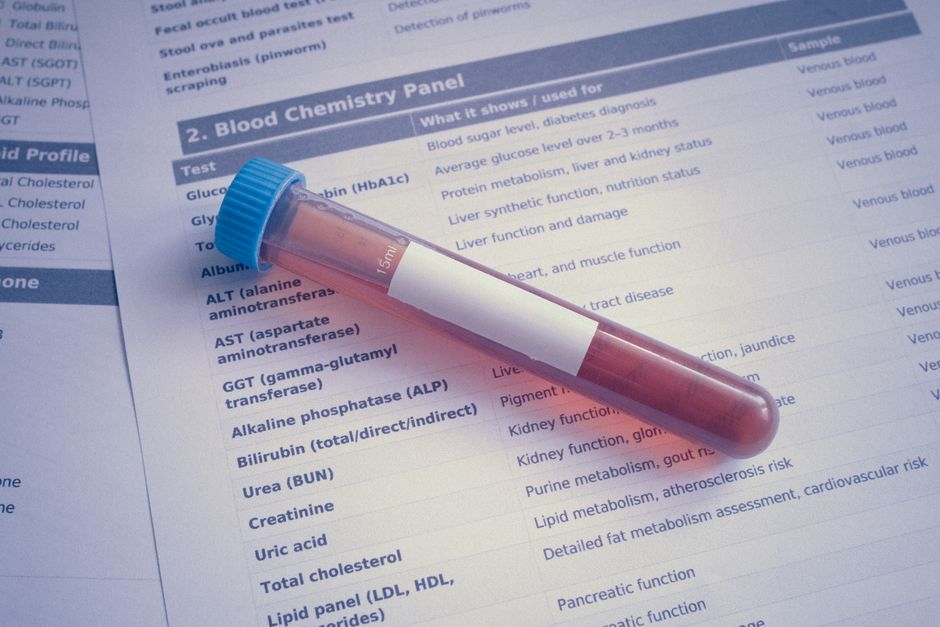
Autoantibody screening is a blood test that detects abnormal immune responses—specifically, proteins (autoantibodies) produced by the body’s immune system in reaction to its own tissues. In oral cancer, these autoantibodies can appear years before clinical symptoms develop, offering a potential window for early intervention. While not yet widely adopted as a standalone screening tool, research highlights its promise as a complementary diagnostic tool, particularly for high-risk patients or those with unexplained oral symptoms.
The process is straightforward: a simple blood draw (usually at your local pathology clinic) is analysed for specific autoantibodies linked to oral squamous cell carcinoma (the most common type of oral cancer). If elevated levels are detected, it signals a higher likelihood of malignancy or pre-cancerous changes, prompting further investigation—such as imaging, additional biopsies, or referral to an oncologist. Importantly, a negative result doesn’t rule out cancer entirely, but it can provide reassurance for low-risk individuals while guiding clinicians to focus resources where they’re most needed.
Who Benefits from Autoantibody Testing?
Autoantibody screening isn’t a replacement for traditional screening but a valuable tool for targeted triage. It’s particularly useful for:
Patients with persistent oral symptoms—such as unexplained sores, red or white patches, or persistent pain—that haven’t resolved despite treatment. These can be red flags for pre-cancerous conditions like leukoplakia or erythroplakia.
High-risk individuals, including heavy smokers, long-term alcohol users, or those with a history of HPV-related cancers. Autoantibody testing may help identify subclinical disease in these groups before symptoms appear.
Patients with a family history of oral or head/neck cancer, where genetic predisposition increases risk.
Referrals from GPs or dentists who suspect oral cancer but lack definitive findings on visual examination alone.
For many, this approach reduces the need for repeated biopsies or invasive procedures while providing clearer guidance on next steps.
How Does This Fit Into Your Diagnosis?
At Melbourne Oral Medicine, we integrate autoantibody screening into a comprehensive diagnostic pathway tailored to your needs. Here’s how it works:
1. Online Assessment: If you’re experiencing persistent oral symptoms or have concerns about cancer risk, our telehealth consultation allows you to describe your history, symptoms, and risk factors in detail. Dr Alqudah will assess whether autoantibody testing—or other diagnostic steps—is appropriate for you.
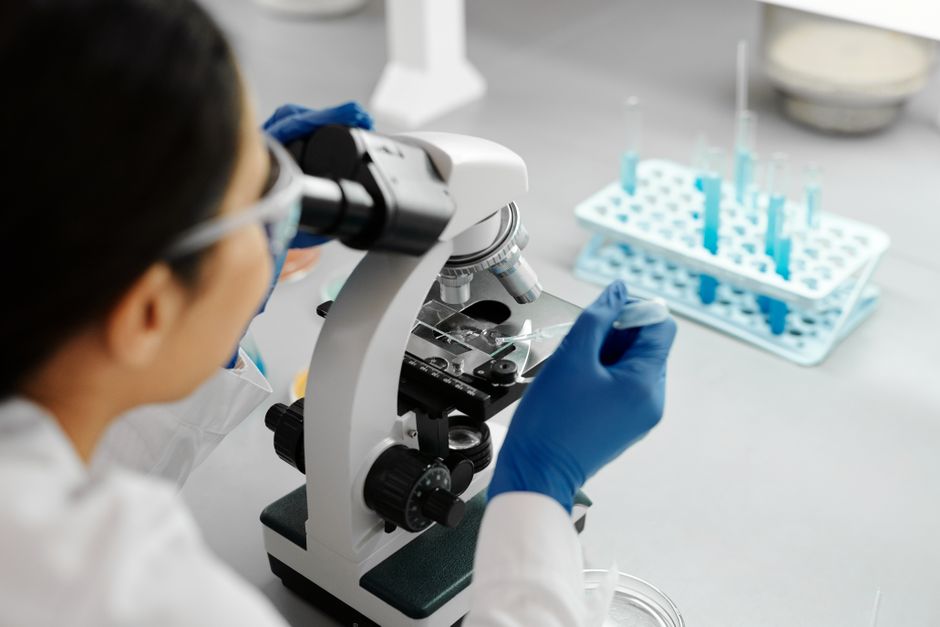
2. Blood Test Referral: If indicated, we’ll provide a referral to a local pathology lab for autoantibody testing. This can often be done without leaving home, reducing stress and travel time.
Photo: Edward Jenner / Pexels
3. Results and Next Steps: Once results are available (typically within 1–2 weeks), we’ll review them with you during a follow-up consultation. Elevated autoantibody levels may lead to further imaging (such as PET scans or MRI) or a targeted biopsy of suspicious areas, while negative results can provide reassurance and focus on other potential causes of your symptoms.
This approach ensures you receive personalised, evidence-based care without unnecessary delays or procedures.
When Should You Seek Help?
While autoantibody testing is an exciting advancement, it’s not yet a universal screening tool. You should still seek evaluation if you experience any of these red flags:
A sore, lump, or patch in your mouth that doesn’t heal within two weeks.
Persistent pain, numbness, or difficulty moving your jaw or swallowing.
Unexplained bleeding, persistent bad breath, or a change in the way your teeth fit together.
A history of heavy smoking, alcohol use, or HPV infection.
Family history of oral or head/neck cancer.
Early intervention is key, and our telehealth consultations allow you to discuss these concerns with Dr Alqudah from the comfort of your home. Whether you’re referred by your GP or dentist or seeking a second opinion, we’re here to guide you through the process with clarity and care.
What If Autoantibody Testing Isn’t Right for Me?
Not everyone will benefit from autoantibody screening, and that’s okay. Our telehealth consultations also provide a pathway for:
Detailed symptom analysis to determine if your concerns align with other conditions like oral lichen planus, fungal infections, or vitamin deficiencies.
Referral for imaging or biopsy if visual examination or other tests suggest a need for further investigation.
Management of chronic pain or discomfort, such as temporomandibular joint (TMJ) disorders or burning mouth syndrome, which can sometimes mimic oral cancer symptoms.
Our goal is to ensure you receive the most appropriate, least invasive diagnostic pathway—whether that involves autoantibody testing, additional blood work, or a referral to another specialist.
FAQ
Question? Is Autoantibody Testing Covered by Medicare?
As of 2024, autoantibody testing for oral cancer is not yet a Medicare-reimbursed service. However, some private health funds may cover it if prescribed by a specialist. Our team can assist with navigating these details during your consultation. For now, it’s often considered under the Diagnostic Imaging—Specialist pathway if combined with other diagnostic steps.
Question? How Accurate Is Autoantibody Testing for Oral Cancer?
Research is ongoing, but studies suggest autoantibody panels can achieve sensitivity rates of around 70–80% for detecting oral squamous cell carcinoma in high-risk populations. While not perfect, this level of accuracy is comparable to some early-stage cancer screenings and can significantly reduce false negatives in clinical settings. Our consultations will help determine if you’re a suitable candidate based on your individual risk profile.
Question? Can I Still Get a Biopsy If Autoantibody Results Are Negative?
Absolutely. A negative autoantibody test doesn’t rule out oral cancer, especially if you have persistent symptoms or high-risk factors. Dr Alqudah may recommend further evaluation, such as a biopsy of suspicious areas, imaging, or additional blood tests (e.g., for vitamin deficiencies or autoimmune markers). Your safety and peace of mind are our priority.




Add Comment