Beyond the Filling: How Oral Medicine Enhances Minimally Invasive Dentistry.
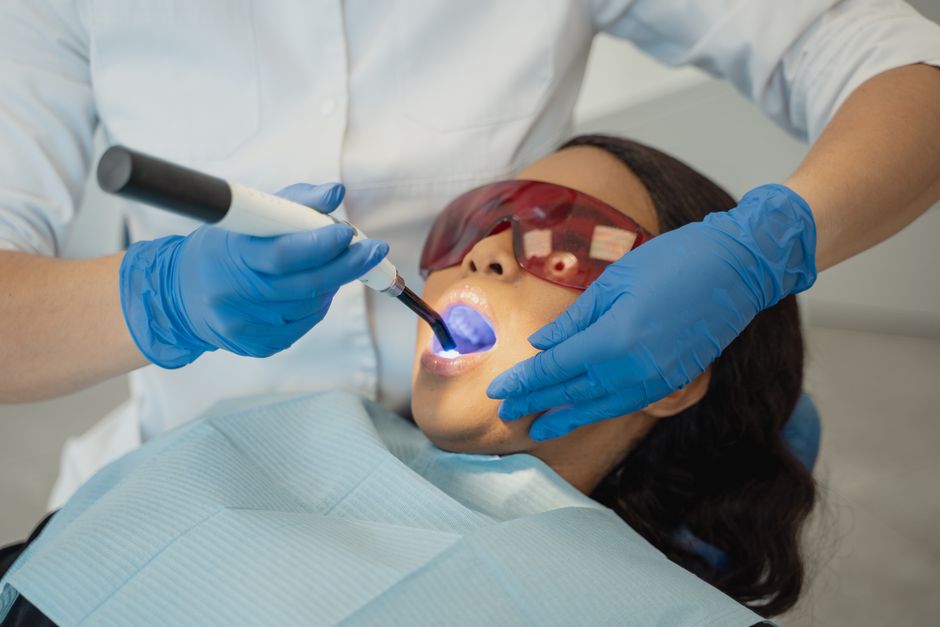
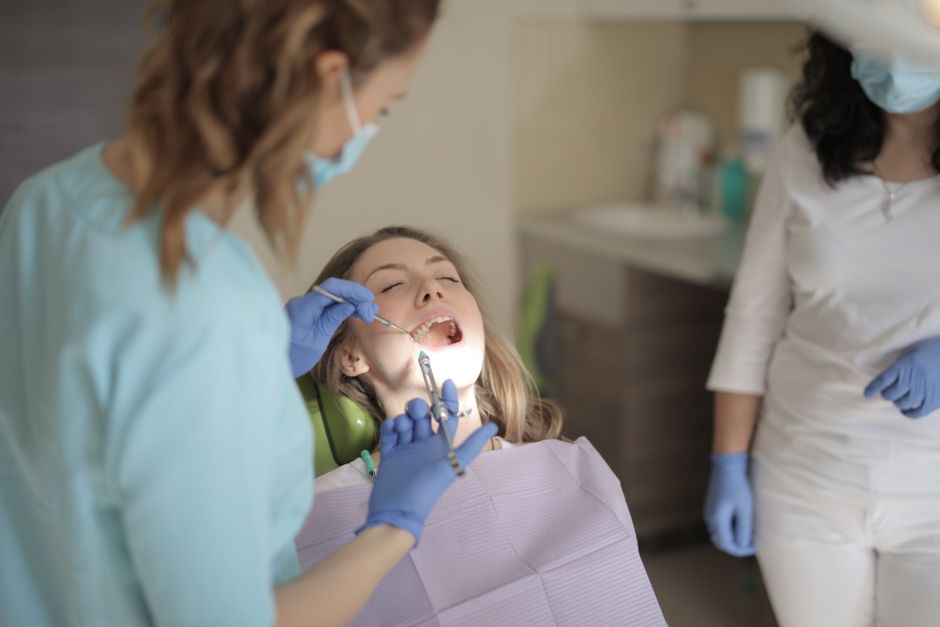
Photo: Tima Miroshnichenko / Pexels
In the world of modern dentistry, advancements continually aim to provide more effective, comfortable, and tooth-preserving treatments. One such innovation making headlines is a smarter approach to minimally invasive restorative dentistry, often involving techniques like injection moulding. This method focuses on restoring teeth with precision while conserving as much natural tooth structure as possible. While these restorative techniques are vital, at Melbourne Oral Medicine, we understand that a successful outcome isn't just about the filling itself; it's about the entire oral health picture. Our specialist, Dr Suhaib Alqudah, an Oral Medicine Specialist with a PhD in Oral Lichen Planus, offers Australia-wide telehealth consultations to ensure that any underlying oral conditions are accurately diagnosed and managed, providing a solid foundation for any dental treatment.
What is Minimally Invasive Restorative Dentistry and Injection Moulding?
Traditionally, dental restorations might have involved removing more tooth structure than strictly necessary. Minimally invasive restorative dentistry, however, prioritises preserving healthy tooth tissue. This approach uses advanced materials and techniques to repair teeth effectively, often resulting in stronger, longer-lasting restorations. Injection moulding is a technique that exemplifies this philosophy. It involves using a clear matrix (a custom-made guide) to precisely place flowable composite resin, allowing for highly accurate and aesthetic restorations, particularly for worn or damaged teeth. The goal is to restore the tooth's form and function with minimal intervention, contributing to better long-term oral health.
The Crucial Role of Oral Medicine in Holistic Dental Care
While innovative restorative techniques like injection moulding are excellent for repairing teeth, they are most effective when the underlying oral environment is healthy. This is where specialist Oral Medicine plays a crucial role. Many patients experience symptoms that might seem like a dental problem but are, in fact, manifestations of broader oral conditions. An Oral Medicine specialist is uniquely qualified to diagnose and manage these complex conditions, ensuring that any restorative work is built upon a stable and healthy foundation. Dr Alqudah's expertise, honed at the Royal Dental Hospital of Melbourne and the Peter MacCallum Cancer Centre, focuses on diagnosing and managing conditions that can impact overall oral health and the success of dental treatments.
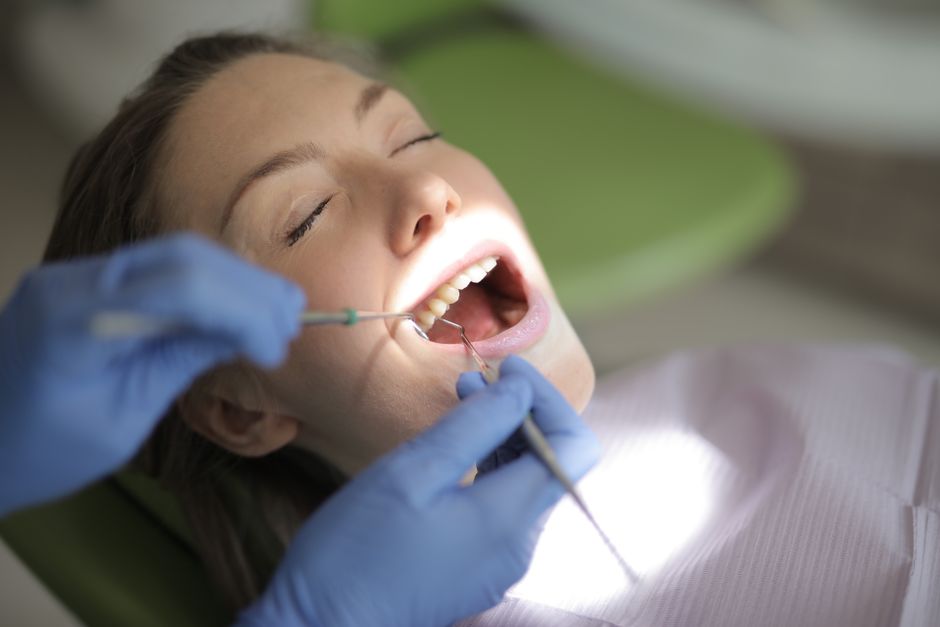
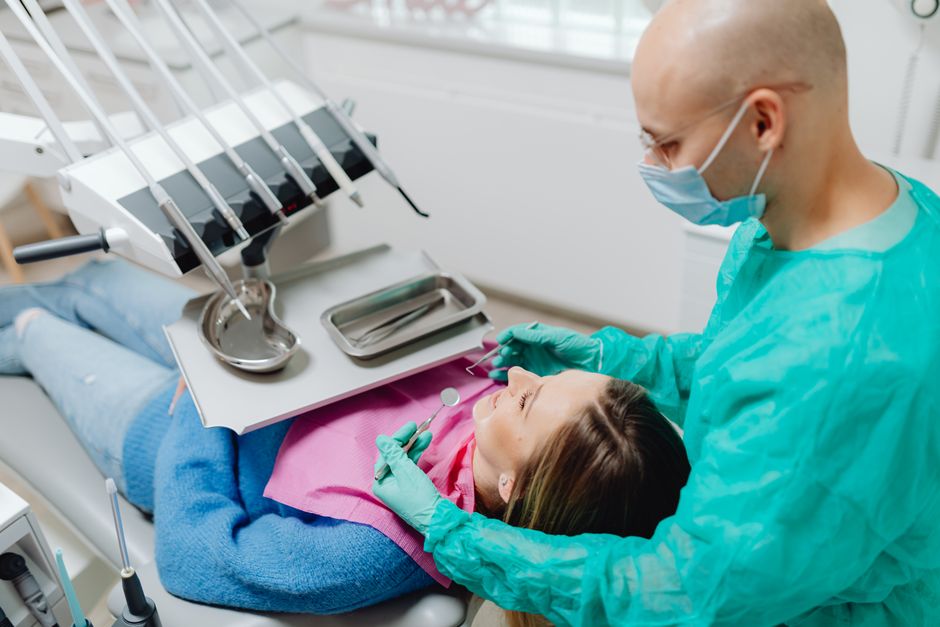
Photo: Andrea Piacquadio / Pexels
Diagnosing Complex Oral and Orofacial Conditions
Persistent oral symptoms can be distressing and often require a specialist's eye. For instance, pain in the jaw or face, sometimes mistaken for a toothache, could be related to temporomandibular joint (TMJ) disorders or other forms of orofacial pain. These conditions can significantly impact a patient's quality of life and require accurate diagnosis before any dental intervention. Research highlights the complexity of TMJ disorders and the importance of a comprehensive approach to pain management and rehabilitation, especially for central sensitisation. (International journal of molecular sciences · 2022; Dental clinics of North America · 2016). Similarly, conditions like burning mouth syndrome, characterised by a persistent burning sensation without an obvious cause, require careful assessment to rule out other medical or dental issues. (Dermatologic clinics · 2020; Dental clinics of North America · 2023).
Other conditions that benefit from specialist Oral Medicine assessment include chronic dry mouth (xerostomia), which can affect the longevity of dental restorations and overall oral health. Various etiologies of xerostomia exist, and accurate diagnosis is key to effective management. (Advances in clinical and experimental medicine · 2016; Oral and maxillofacial surgery clinics of North America · 2022). Oral mucosal diseases, such as oral lichen planus, can cause persistent ulcers, discomfort, and may require specific management strategies. Dr Alqudah's PhD research focused on oral lichen planus, highlighting the importance of understanding its differential diagnoses, associated factors, and management. (Journal of the Formosan Medical Association · 2018; American journal of clinical dermatology · 2024). Diagnosing these conditions accurately is paramount to ensuring that any restorative dentistry is appropriate and successful in the long term.
How Melbourne Oral Medicine Provides Specialist Support Australia-Wide
Melbourne Oral Medicine offers secure video (telehealth) consultations, making specialist Oral Medicine expertise accessible across Australia without the need for travel. If you're experiencing persistent mouth ulcers, TMJ pain, jaw pain, chronic orofacial pain, burning mouth, altered taste, dry mouth, or have concerns about suspicious oral lesions, Dr Alqudah can provide a remote assessment. This online approach allows for initial diagnosis and triage, which may include reassurance, recommendations for blood tests or imaging, discussion of biopsy needs, or referral to other specialists. By providing a comprehensive assessment of your oral health, we help ensure that any dental treatments you undergo, including advanced restorative techniques, are appropriate and optimally effective.
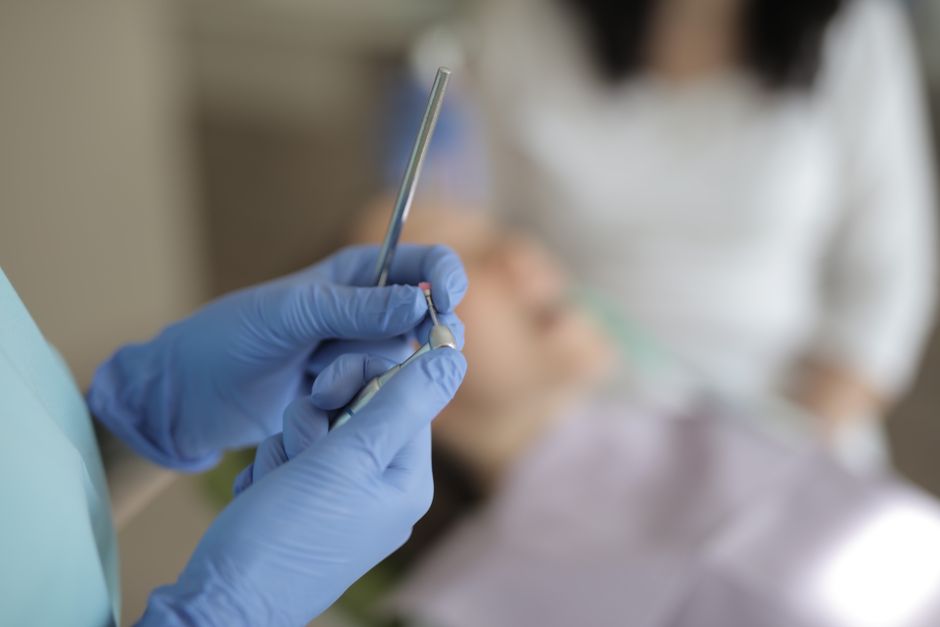
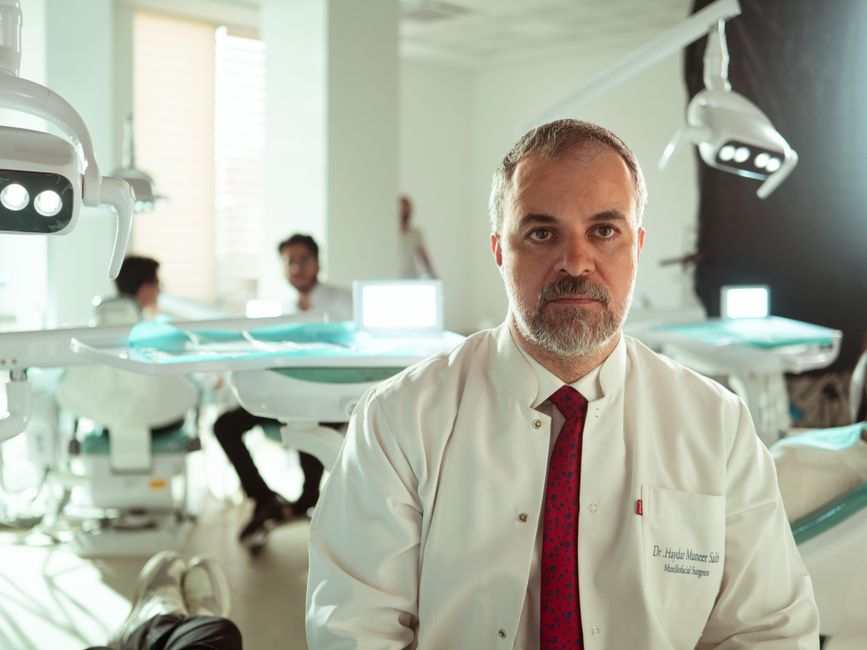
Photo: Andrea Piacquadio / Pexels
A holistic approach to oral health, combining advanced restorative techniques with specialist Oral Medicine diagnosis and management, leads to the best outcomes for patients. If you or your referring GP or dentist have concerns about complex oral conditions, persistent symptoms, or simply want to ensure a comprehensive assessment before undertaking restorative dental work, we encourage you to get in touch. Dr Alqudah and the team at Melbourne Oral Medicine are here to provide expert, evidence-based care.
FAQ
How does Oral Medicine relate to my general dental care?
Oral Medicine specialists diagnose and manage complex oral conditions that might not be directly related to tooth decay or gum disease but can significantly impact your oral health. They work in conjunction with your general dentist to ensure a comprehensive approach, addressing underlying issues that could affect the success of restorative treatments or mimic dental problems.
Can an online consultation really help with complex oral conditions?
Yes, many complex oral conditions can be effectively triaged and initially diagnosed via secure video consultations. Dr Alqudah can assess your symptoms, review your medical history, and guide you on necessary next steps, such as specific blood tests, imaging, or referrals, often preventing the need for unnecessary travel for an initial assessment.
Why is it important to diagnose underlying conditions before restorative dentistry?
Diagnosing underlying conditions like dry mouth, orofacial pain, or mucosal diseases is crucial because these can affect the longevity of restorations, influence material choices, or even be the true cause of symptoms mistaken for dental issues. A healthy oral environment is the foundation for successful and lasting restorative dental work.
Inspired by: "A smarter approach to minimally invasive restorative dentistry: understanding injection mo" (dentistry.co.uk, 2026)

Add Comment