Beyond the Bite: Solving Jaw & Facial Pain - Expert Oral Medicine Care.
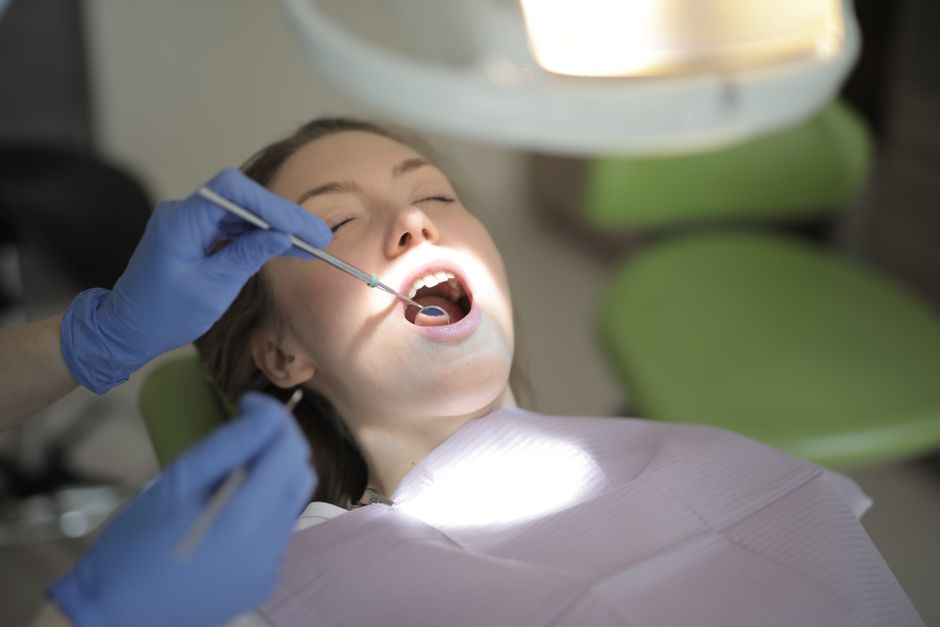
Photo: Engin Akyurt / Pexels
Persistent jaw or facial pain can disrupt your daily life, making even simple tasks like eating, speaking, or relaxing feel challenging. While many assume this discomfort is simply due to grinding their teeth or a misaligned bite, the reality is far more complex. At Melbourne Oral Medicine, we understand that jaw and facial pain often stems from a range of underlying conditions—some linked to the temporomandibular joint (TMJ), others to chronic pain syndromes or even systemic health factors. If you’ve been dealing with unexplained jaw or facial pain, it’s time to explore the possibilities beyond the obvious.
What Causes Jaw and Facial Pain?
Jaw and facial pain can arise from multiple sources, and diagnosing the root cause is essential for effective treatment. The temporomandibular joint (TMJ), which connects your jaw to your skull, plays a key role in many cases. Conditions like TMJ disorders (TMD)—often caused by muscle tension, joint inflammation, or structural issues—can lead to pain, clicking, or limited movement. However, research highlights that central sensitisation, where the nervous system amplifies pain signals, may also contribute to chronic orofacial pain, even in the absence of obvious structural damage (International Journal of Molecular Sciences, 2022). Other potential causes include:
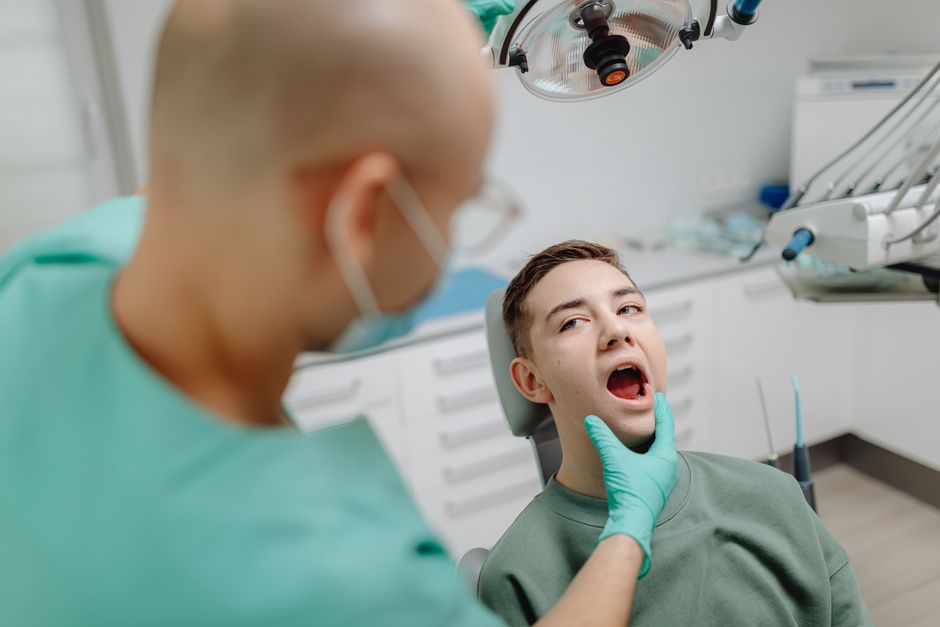
Photo: Andrea Piacquadio / Pexels
Muscle overuse or strain from stress, poor posture, or repetitive movements (e.g., chewing gum or nail-biting).
Neurological factors, such as trigeminal neuralgia or chronic pain syndromes affecting facial sensation.
Systemic conditions, including autoimmune diseases (e.g., lupus or Sjogren’s syndrome), which can affect both oral and facial tissues.
Dental or oral health issues, such as untreated cavities, infections, or oral mucosal diseases (e.g., oral lichen planus), which may manifest as persistent discomfort.
When Is It More Than Just a Bite Problem?
Many patients assume their jaw pain is solely due to a misaligned bite or bruxism (teeth grinding). While these factors can contribute, they don’t always explain persistent or worsening symptoms. For example, TMJ disorders are often multifactorial, involving both mechanical and neurological components (Dental Clinics of North America, 2016). If you’ve tried splints, physiotherapy, or adjustments without relief, it may indicate an underlying condition requiring specialist assessment. Conditions like burning mouth syndrome (BMS), which affects up to 15% of older adults, can mimic jaw pain but often involves altered taste, dry mouth, or a persistent burning sensation unrelated to the jaw itself (Dermatologic Clinics, 2020).
How Oral Medicine Can Help
At Melbourne Oral Medicine, our specialist team focuses on diagnosing and managing complex oral and facial pain conditions. Unlike general dentists, oral medicine specialists like Dr. Suhaib Alqudah are trained to identify subtle clues that point to systemic or neurological causes. For example, if your pain is accompanied by dry mouth, taste changes, or oral ulcers, it could signal an autoimmune condition like Sjogren’s syndrome—a disorder that affects saliva and tear production, often leading to chronic discomfort (Advances in Clinical and Experimental Medicine, 2016). Our approach combines:
Photo: https://kaboompics.com/ / Pexels
Thorough clinical assessment, including detailed medical and dental history, to rule out or confirm potential causes.
Advanced diagnostic techniques, such as imaging, salivary function tests, or referral to specialists (e.g., rheumatologists or neurologists) when needed.
Personalised treatment plans, addressing both symptoms and underlying conditions—whether that’s managing central sensitisation, treating autoimmune triggers, or addressing oral mucosal diseases.
Common Misconceptions About Jaw Pain
One of the biggest challenges in managing jaw and facial pain is debunking common myths. For instance, many believe that ‘all jaw pain is due to teeth grinding’, but research shows that only about 20% of bruxism cases present with significant pain (Dental Clinics of North America, 2016). Similarly, the idea that ‘pain will just go away with time’ can delay proper treatment, especially if the cause is inflammatory or neurological. Another misconception is that ‘oral medicine is only for mouth sores’—in reality, our specialists also treat complex pain syndromes, sleep-related disorders (like snoring or sleep apnoea), and conditions affecting the salivary glands.
Next Steps: Seek Specialist Care
If your jaw or facial pain persists despite home remedies, dental adjustments, or physiotherapy, it’s time to consult an oral medicine specialist. At Melbourne Oral Medicine, we offer Australia-wide teleconsultations for convenient, expert assessment. Our team can help determine whether your symptoms stem from a TMJ disorder, central sensitisation, an autoimmune condition, or another underlying cause. Early intervention can make a significant difference in managing your symptoms and improving your quality of life.
Don’t let unexplained jaw or facial pain hold you back. Book a consultation today to explore tailored solutions and take control of your comfort.




Add Comment