Alzheimer’s and Early Indicators: What it Means for Your Oral Health.
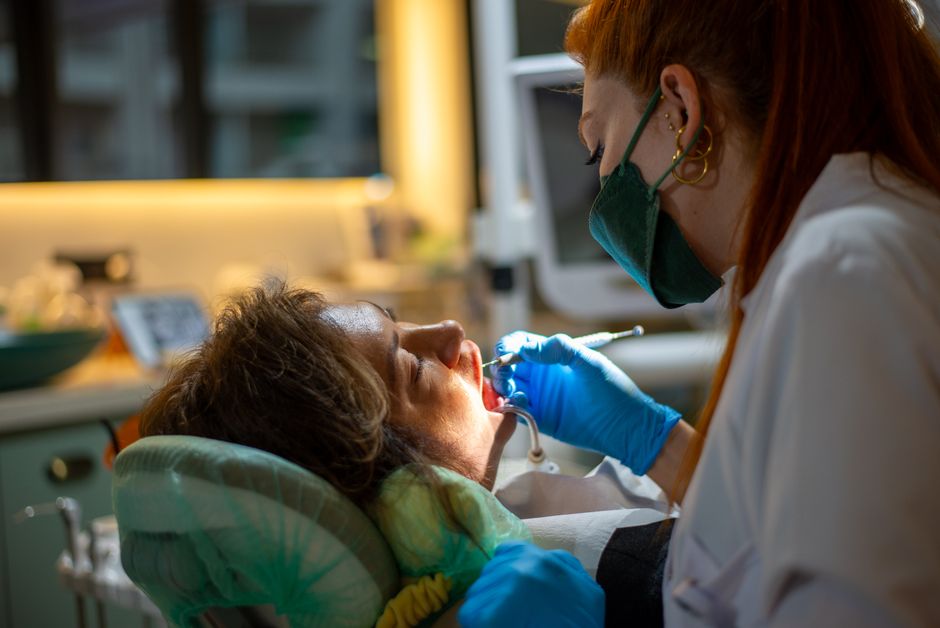
Photo: Miriam Alonso / Pexels
Recent insights suggest that markers for conditions like Alzheimer’s disease may appear in the brain long before overt symptoms or traditional plaques are detectable. This highlights the growing understanding of how systemic health, including neurological well-being, is interconnected and can manifest in subtle ways. For patients across Australia and their referring GPs and dentists, understanding these early indicators is crucial. While Melbourne Oral Medicine doesn't diagnose Alzheimer's, our specialist consultations can help identify and manage various oral and facial symptoms that may be related to underlying systemic health changes, ensuring comprehensive care.
Understanding Alzheimer’s Disease
Alzheimer's disease is a progressive neurological disorder that causes the brain to shrink and brain cells to die. It's the most common cause of dementia, a continuous decline in thinking, behavioural and social skills that affects a person's ability to function independently. While the exact causes are still being researched, the disease is characterised by the buildup of amyloid plaques and tau tangles in the brain. The idea that changes might occur much earlier than previously thought opens new avenues for understanding and potentially intervening in the disease process, underscoring the importance of monitoring overall health.
Oral Health as a Window to Systemic Well-being
The mouth is often considered a mirror of general health, and changes in oral tissues or function can sometimes signal broader systemic issues. Conditions such as dry mouth (xerostomia), burning mouth syndrome, and persistent oral lesions, while not direct indicators of Alzheimer's, can be symptoms of various underlying health problems, including neurological conditions, autoimmune disorders, or side effects of medications. An Oral Medicine Specialist is uniquely positioned to evaluate these complex oral manifestations, providing clarity and guiding appropriate next steps.
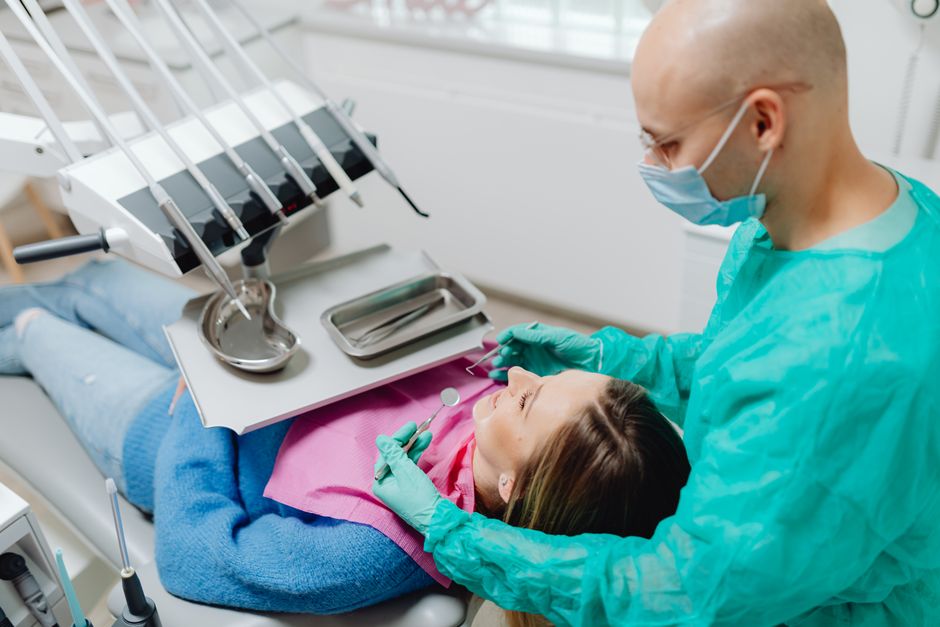
Photo: Денис Нагайцев / Pexels
Common Oral Symptoms and When to Seek Help
Several oral symptoms warrant professional attention, especially if they are persistent or accompanied by other health concerns:
Dry Mouth (Xerostomia): A feeling of insufficient saliva, which can lead to difficulty speaking, chewing, and swallowing, as well as increased risk of dental decay. Xerostomia can be caused by numerous factors, including certain medications, systemic diseases, and neurological conditions, and its management is crucial for oral comfort and health. (Advances in clinical and experimental medicine · 2016; Oral and maxillofacial surgery clinics of North America · 2022)
Burning Mouth Syndrome (BMS): Characterised by a persistent burning sensation in the mouth, often without any visible lesions. BMS can be primary (idiopathic) or secondary to other conditions, including nutritional deficiencies, hormonal changes, and neurological factors. (Dermatologic clinics · 2020; Dental clinics of North America · 2023)
Altered Taste or Other Oral Sensory Symptoms: Changes in taste perception or other unusual sensations in the mouth can sometimes indicate underlying systemic issues.
Persistent Oral Lesions or Suspicious Patches: Any non-healing sore, red or white patch, or lump in the mouth that persists for more than two weeks should be evaluated by a specialist to rule out serious conditions, including oral cancer or oral mucosal diseases like Oral Lichen Planus. (Journal of the Formosan Medical Association · 2018; American journal of clinical dermatology · 2024)
If you or your patient experience any of these persistent oral symptoms, particularly alongside other systemic health changes or cognitive concerns, it's advisable to seek specialist evaluation. Early assessment can help differentiate between benign conditions and those requiring further medical investigation.
How Melbourne Oral Medicine Can Assist
Dr. Suhaib Alqudah, a registered Oral Medicine Specialist with a PhD in Oral Lichen Planus from the University of Melbourne, leads Melbourne Oral Medicine. Our clinic offers secure video (telehealth) consultations Australia-wide, providing expert assessment without the need for travel. During an online consultation, Dr. Alqudah can:
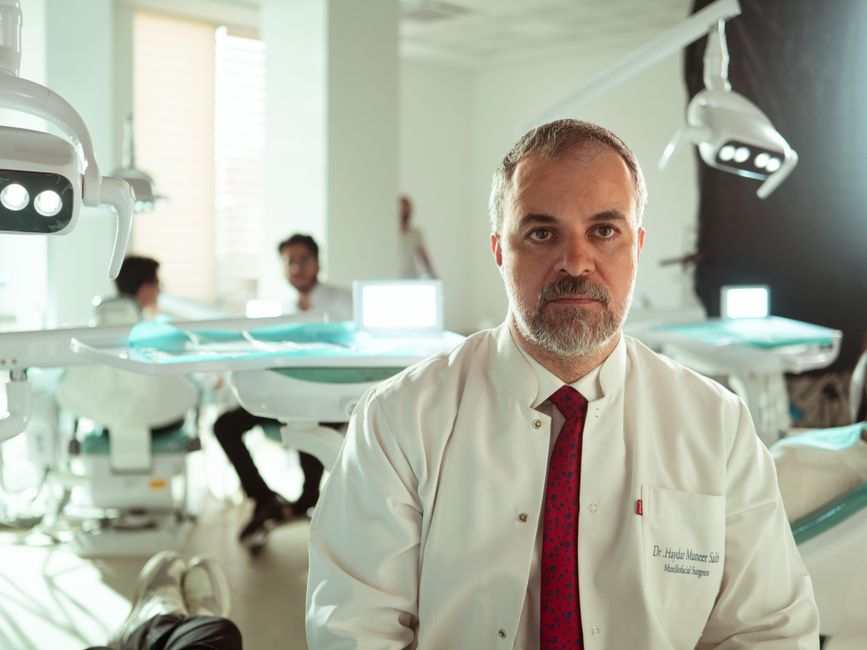
Photo: Arda Kaykısız / Pexels
Thoroughly evaluate your oral and facial symptoms.
Discuss your medical history, including any systemic conditions or medications.
Provide reassurance regarding benign conditions.
Recommend appropriate investigations such as blood tests, imaging, or, where necessary, facilitate referrals for a biopsy or to other medical specialists (e.g., neurologists, rheumatologists) for further diagnosis and management.
Develop a comprehensive oral care plan tailored to your specific needs.
This remote specialist care ensures that patients, including those in regional or remote areas, can access expert opinions efficiently and conveniently, avoiding unnecessary travel and waiting times. While we do not diagnose or treat Alzheimer's disease, our role is to accurately diagnose and manage complex oral and facial conditions, and to identify when oral symptoms may warrant broader medical investigation.
Understanding the intricate connections between oral health and systemic well-being is paramount. If you are experiencing persistent or concerning oral symptoms, particularly in the context of broader health changes, a specialist Oral Medicine consultation can provide clarity and guide you towards appropriate care. We are here to help you navigate these concerns with expertise and compassion.
FAQ
Can an Oral Medicine Specialist diagnose Alzheimer's disease?
No, an Oral Medicine Specialist does not diagnose Alzheimer's disease. This diagnosis is typically made by neurologists or geriatric specialists after a comprehensive evaluation. Our role at Melbourne Oral Medicine is to diagnose and manage complex oral and facial conditions, and to identify when oral symptoms might indicate a need for referral to other medical specialists for further investigation of systemic health concerns.
What should I do if I'm concerned about oral symptoms and potential systemic health issues?
If you have persistent oral symptoms that worry you, especially if you have other health concerns or notice changes in your overall well-being, it's important to consult with your GP. They can provide an initial assessment and, if appropriate, refer you for a specialist Oral Medicine consultation to evaluate your oral symptoms further.
How does an online Oral Medicine consultation work for complex conditions?
Our online consultations are conducted via secure video, allowing Dr. Alqudah to visually assess your oral and facial condition, discuss your symptoms in detail, and review your medical history. Based on this, he can provide a diagnosis for oral conditions, offer reassurance, recommend specific tests (like blood tests or imaging), or facilitate referrals to other medical specialists if a broader systemic investigation is warranted. This approach ensures you receive expert care conveniently, wherever you are in Australia.
Source: ScienceDaily. (2026, August 31). Alzheimer’s may leave a mark on the brain long before plaques appear. Retrieved from https://www.sciencedaily.com/releases/2026/08/260831015144.htm





Add Comment