AI in Healthcare: Why Specialist Human Care Remains Essential.
Photo: cottonbro studio / Pexels
The rapid advancement of Artificial Intelligence (AI), particularly Large Language Models (LLMs), is transforming many industries, and healthcare and dentistry are no exception. While the potential for AI to assist in various tasks is exciting, it's crucial to approach its integration with careful consideration, especially concerning patient safety and accurate diagnosis. A recent publication, 'Correction: Evaluating the safety of large language models in healthcare and dentistry,' in Nature Digital Medicine (2026), highlights the ongoing scientific scrutiny into these technologies. For patients across Australia, it reinforces the importance of understanding AI's role and the irreplaceable value of specialist human expertise.
Understanding Large Language Models (LLMs) in Health
Large Language Models are sophisticated AI programs designed to process and generate human-like text. In healthcare, they can assist with tasks such as summarising medical literature, answering patient queries, or streamlining administrative processes. However, it's vital to recognise their limitations. LLMs draw on vast datasets but do not possess clinical judgment, empathy, or the ability to conduct a physical examination. They can generate plausible-sounding information that may not always be accurate or appropriate for an individual's specific health situation. The very nature of scientific 'corrections,' like the one published in Nature, demonstrates the dynamic and evolving understanding of AI's capabilities and safety in real-world clinical applications.
The Irreplaceable Role of Specialist Oral Medicine
When it comes to complex oral and facial conditions, the nuanced assessment of a human specialist is paramount. Conditions such as persistent mouth ulcers, oral mucosal diseases like Oral Lichen Planus, temporomandibular joint (TMJ) disorders, chronic orofacial pain, burning mouth syndrome, and dry mouth require more than just information retrieval. Oral Lichen Planus, for example, demands careful differential diagnosis, often involving the consideration of serum autoantibodies and hematinic deficiencies, as detailed in peer-reviewed literature (Journal of the Formosan Medical Association, 2018; American journal of clinical dermatology, 2024). Similarly, diagnosing and managing TMJ pain and other orofacial pain conditions requires a comprehensive understanding of pain mechanisms, including central sensitisation, and a tailored rehabilitation approach (International journal of molecular sciences, 2022; Dental clinics of North America, 2016). These intricate diagnostic processes and personalised treatment plans are currently beyond the scope of AI.
Photo: . MM Dental . / Pexels
When to Seek Specialist Help: Red Flags and Real Expertise
While AI tools might offer general information, they cannot provide an individual diagnosis or treatment plan. 'Red flags' that indicate the need for a specialist consultation include persistent symptoms, unexplained pain, changes in oral tissues, or symptoms that significantly impact your quality of life. For instance, burning mouth syndrome involves complex sensory symptoms that require a thorough medical evaluation to rule out underlying causes and manage the condition effectively (Dermatologic clinics, 2020; Dental clinics of North America, 2023). Similarly, dry mouth (xerostomia) can stem from various etiologies, and accurate diagnosis is crucial for appropriate management (Advances in clinical and experimental medicine, 2016; Oral and maxillofacial surgery clinics of North America, 2022). Relying solely on AI for such complex issues risks misdiagnosis, delayed treatment, or inappropriate advice.
How Melbourne Oral Medicine Provides Expert, Accessible Care
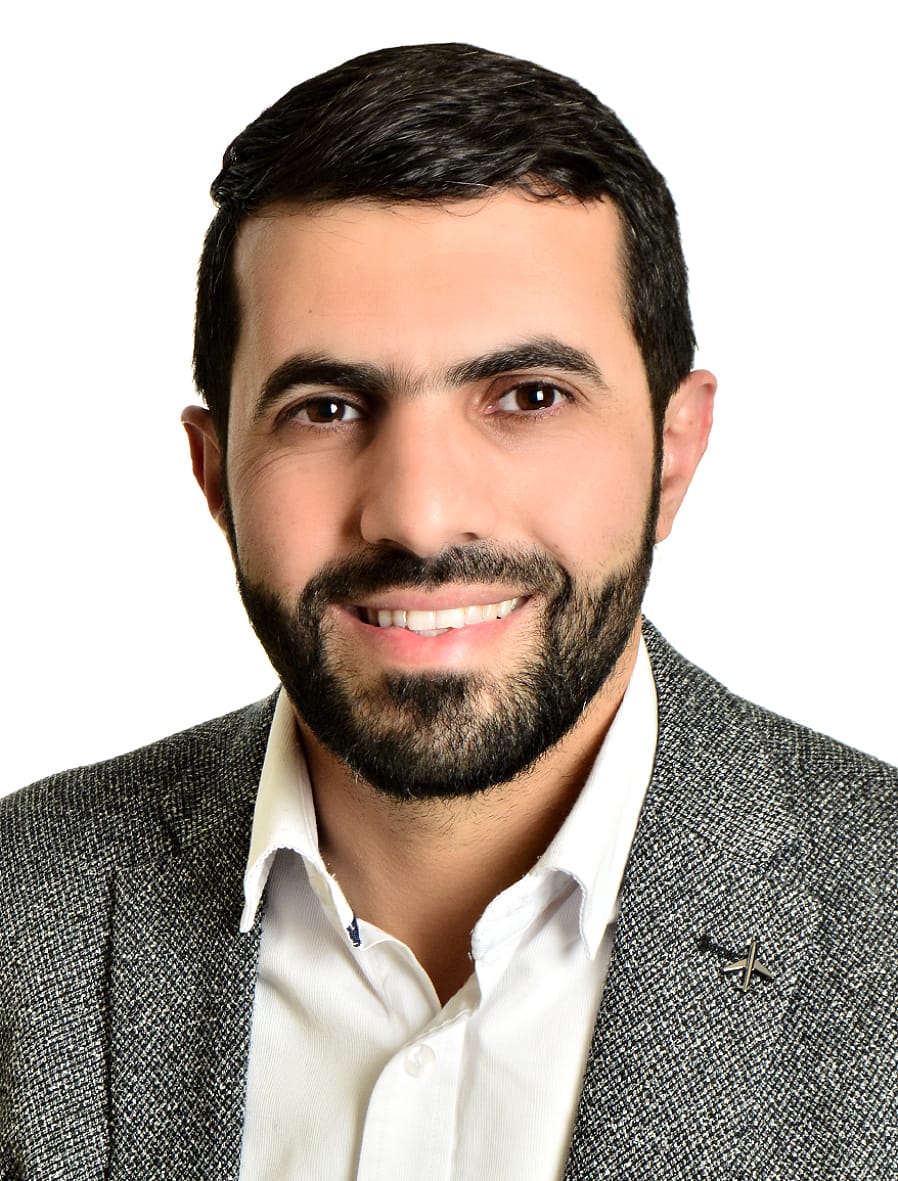
At Melbourne Oral Medicine, Dr. Suhaib Alqudah, a registered Oral Medicine Specialist with a PhD in Oral Lichen Planus from the University of Melbourne, offers secure video (telehealth) consultations Australia-wide. This allows patients and referring GPs and dentists to access specialist expertise without the need for travel. During an online assessment, Dr. Alqudah can provide a comprehensive evaluation, offer reassurance, and guide you through the necessary steps for an accurate diagnosis. This may include recommending specific blood tests, imaging studies, or biopsies, and facilitating appropriate referrals. This approach ensures that you receive evidence-based, personalised care from a highly skilled human specialist, addressing your unique concerns with the clinical judgment that AI cannot replicate.
FAQ
Can AI diagnose my mouth condition?
Currently, AI, including Large Language Models, cannot provide a definitive diagnosis for medical conditions. While they can offer general information, they lack the ability to conduct a physical examination, interpret complex clinical findings, or exercise the nuanced judgment of a qualified medical specialist. A human specialist is essential for accurate diagnosis and personalised care.
Photo: cottonbro studio / Pexels
How does an online consultation with a specialist differ from using AI?
An online consultation with an Oral Medicine Specialist like Dr. Suhaib Alqudah involves a direct, interactive assessment of your specific symptoms and medical history. It allows for clinical reasoning, the recommendation of appropriate investigations (like blood tests or imaging), and a tailored management plan. AI, conversely, provides information based on algorithms and data, without the capacity for individualised clinical assessment or empathy.
Why is human specialist input still essential for complex oral conditions?
Complex oral conditions often present with overlapping symptoms and require a deep understanding of various medical factors. A human specialist brings years of training, clinical experience, and the ability to critically evaluate information, including the limitations of AI. This ensures a comprehensive, safe, and effective approach to your health, something AI cannot currently replicate.
For expert guidance on persistent mouth ulcers, oral pain, or other complex oral and facial conditions, we encourage you to get in touch. Dr. Suhaib Alqudah and the team at Melbourne Oral Medicine are here to provide the specialist care you deserve. Book a secure video consultation today.




Add Comment