AI in Healthcare & Dentistry: The Value of Specialist Care.
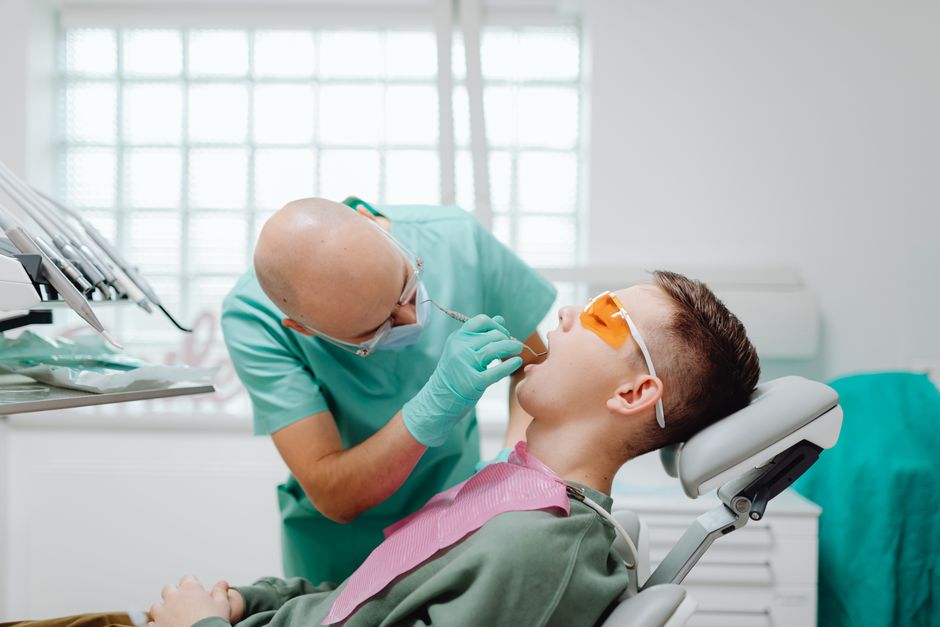
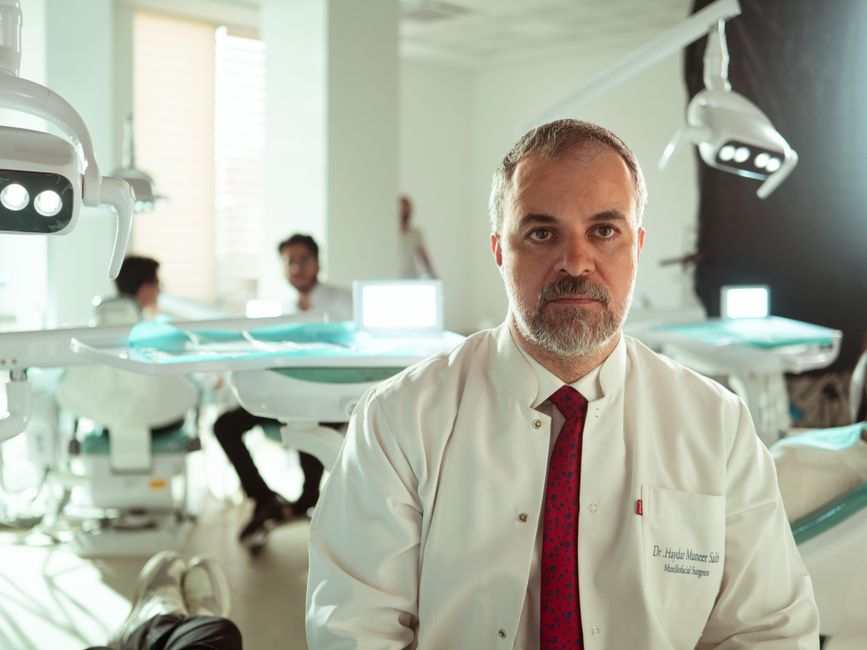
Photo: https://kaboompics.com/ / Pexels
The rapid evolution of artificial intelligence (AI), particularly Large Language Models (LLMs), has sparked considerable discussion across many fields, including healthcare and dentistry. While these technologies promise innovative tools, their safe and effective integration requires careful evaluation. A recent industry news item, titled "Correction: Evaluating the safety of large language models in healthcare and dentistry: ad", underscores the ongoing dialogue and the importance of understanding the limitations of AI when it comes to patient care.
At Melbourne Oral Medicine, led by Dr. Suhaib Alqudah, a registered Oral Medicine Specialist, our focus remains firmly on providing evidence-based, human-centred care. While AI might assist in information processing, it cannot replace the nuanced clinical judgment, diagnostic skill, and empathetic approach of a specialist trained in complex oral and maxillofacial conditions.
Understanding Large Language Models in Health Information
Large Language Models are computer programs designed to understand and generate human-like text. In healthcare, they can provide general information, summarise research, or even assist with administrative tasks. However, it's crucial for patients and referring practitioners to recognise that LLMs do not possess clinical experience, critical thinking, or the ability to interpret individual patient symptoms in context. They draw from vast datasets, but this information is not always curated for accuracy, can be outdated, or may lack the specific nuances required for medical diagnosis and personalised treatment planning.
Relying solely on AI for health advice can be risky. For instance, symptoms of persistent mouth ulcers, dry mouth, or jaw pain can be indicative of various underlying conditions, some benign, others more serious. An LLM might offer a range of possibilities, but it cannot ask clarifying questions, perform a physical examination, order appropriate investigations, or differentiate between conditions with similar presentations, such as various forms of oral mucosal disease or temporomandibular disorders. This is where the expertise of a human specialist becomes indispensable.
The Irreplaceable Role of Specialist Oral Medicine Expertise
Conditions treated by Oral Medicine specialists are often complex and require a deep understanding of oral pathology, systemic diseases, and pain mechanisms. For example, accurately diagnosing and managing conditions like Oral Lichen Planus involves careful clinical assessment and often requires further investigation, as highlighted in comprehensive reviews on its diagnosis and management. Similarly, persistent dry mouth (xerostomia) can stem from numerous causes, demanding a thorough review of medical history and potential investigations to identify the root etiology and plan effective management strategies. The intricate nature of temporomandibular joint disorders (TMJ) and chronic orofacial pain, often involving central sensitisation, requires a specialist's understanding to develop effective pain management and rehabilitation plans. Even conditions like Burning Mouth Syndrome, while seemingly straightforward, require a detailed diagnostic approach to rule out other causes before a diagnosis is confirmed and appropriate medical management is initiated.
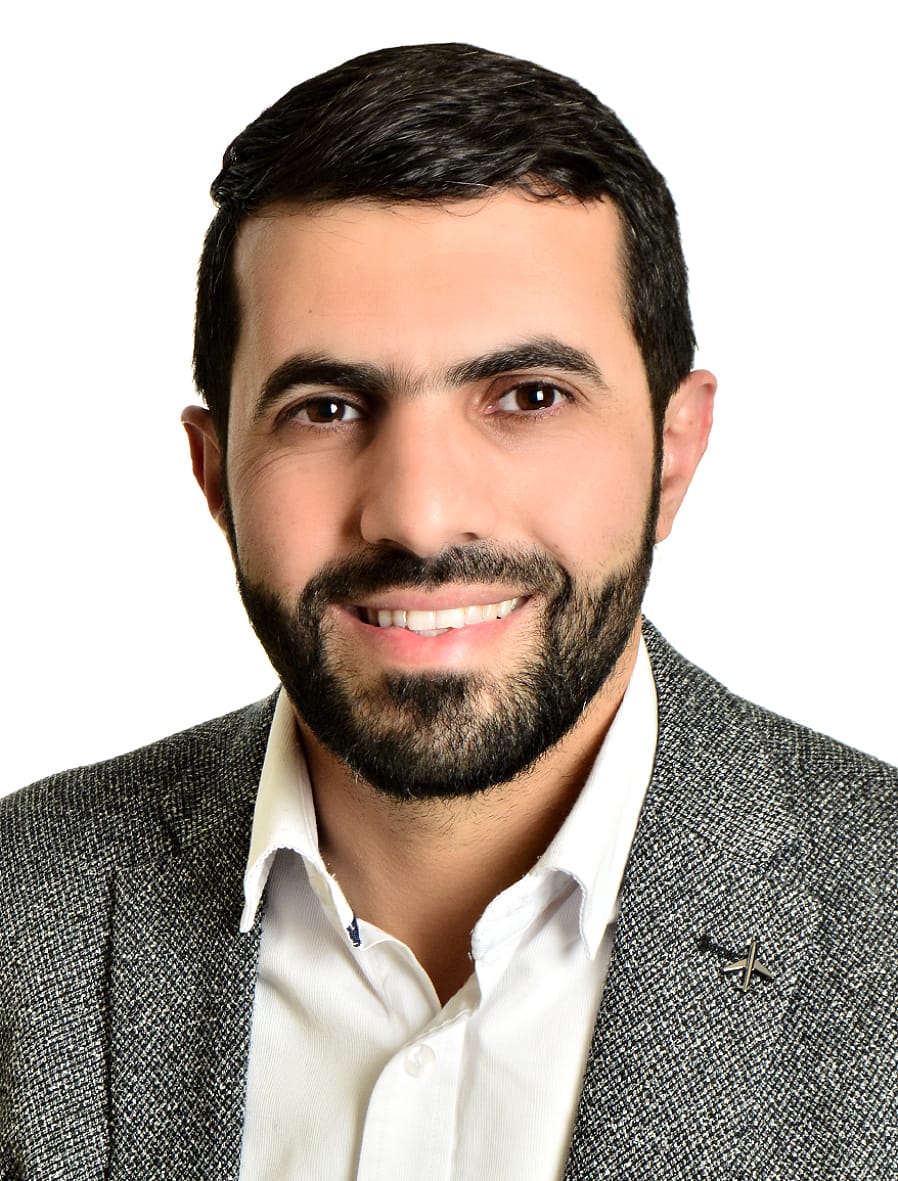
Photo: khezez | خزاز / Pexels
Dr. Suhaib Alqudah, with a Doctor of Clinical Dentistry in Oral Medicine and a PhD in Oral Lichen Planus from the University of Melbourne, brings years of dedicated specialist experience to these complex challenges. His background, including work at the Royal Dental Hospital of Melbourne and the Peter MacCallum Cancer Centre, ensures a profound understanding of oral mucosal diseases, TMJ disorders, neuralgias, orofacial pain, and the oral care needs of medically complex patients. This level of specialist insight, grounded in extensive training and peer-reviewed evidence, cannot be replicated by artificial intelligence.
When to Seek Professional Help: Red Flags and Specialist Consultation
If you are experiencing persistent or concerning symptoms such as:
Mouth ulcers that don't heal
Unexplained white or red patches in your mouth
Chronic jaw pain, clicking, or difficulty opening your mouth
Persistent burning sensation, altered taste, or dry mouth
Any unusual changes in your oral tissues
These are red flags that warrant a specialist evaluation. While an LLM might provide general information, it cannot offer a definitive diagnosis or a personalised management plan. For referring GPs and dentists, understanding the limitations of AI means knowing when to refer to a specialist who can provide a comprehensive assessment.
Melbourne Oral Medicine: Your Secure Telehealth Solution
Melbourne Oral Medicine offers secure video (telehealth) consultations Australia-wide, ensuring that specialist Oral Medicine care is accessible regardless of your location. Dr. Alqudah provides a comprehensive remote assessment, offering accurate diagnosis and triage based on his extensive clinical expertise. This process may include:
Reassurance: Providing clarity and peace of mind regarding your symptoms.
Further Investigations: Guiding you on necessary blood tests, imaging (e.g., MRI for TMJ), or biopsies.
Referral: Coordinating with other specialists if needed.
Personalised Oral Care Planning: Developing a tailored management strategy for your specific condition.
Our online approach helps patients avoid unnecessary travel, making specialist care convenient and efficient. We prioritise patient safety and accurate diagnosis, ensuring that your care is always guided by a qualified human expert.
Photo: Andrea Piacquadio / Pexels
In conclusion, while technology continues to advance, the discerning judgment, clinical expertise, and compassionate care of a registered Oral Medicine Specialist remain paramount. At Melbourne Oral Medicine, we are committed to providing you with the highest standard of care, grounded in evidence and delivered with professionalism.
Frequently Asked Questions
Can AI diagnose my oral condition?
No, Large Language Models (LLMs) and other AI tools cannot provide a medical diagnosis. They lack the ability to conduct physical examinations, interpret complex clinical findings, or exercise the nuanced judgment required for accurate diagnosis. Only a qualified healthcare professional, such as an Oral Medicine Specialist, can diagnose your condition.
How does an online Oral Medicine consultation help with complex conditions?
An online consultation with Dr. Suhaib Alqudah involves a detailed discussion of your symptoms, medical history, and any relevant images or reports you can provide. Dr. Alqudah uses his specialist expertise to assess your situation thoroughly, formulate a provisional diagnosis, and recommend appropriate investigations (e.g., blood tests, imaging) or referrals to confirm the diagnosis and develop a personalised treatment plan. This remote assessment is highly effective for triaging and managing many complex oral and facial conditions.
Is telehealth as effective as an in-person visit for oral conditions?
For many oral medicine conditions, particularly for initial assessment, triage, and ongoing management, telehealth consultations are highly effective. They allow for comprehensive discussion, review of patient-provided information, and strategic planning for any necessary investigations or referrals. While some procedures require an in-person visit, telehealth significantly reduces the need for travel, making specialist care more accessible and efficient for patients across Australia.
For expert assessment of persistent mouth ulcers, TMJ pain, burning mouth, dry mouth, or any other complex oral condition, we encourage you to get in touch or book a consultation with Melbourne Oral Medicine today. Your health deserves the care of a specialist.



Add Comment