As artificial intelligence (AI) becomes more visible in dentistry, patients and referring health professionals alike are asking: How can I trust my oral health decisions in an era of digital transformation? At Melbourne Oral Medicine, we understand this concern. While AI tools can assist with preliminary assessments, the human expertise of a specialist Oral Medicine consultant remains irreplaceable—especially for complex conditions like chronic pain, oral mucosal diseases, or unexplained symptoms. Our secure telehealth consultations ensure you receive the same high standard of care, tailored to your individual needs, without unnecessary travel.
The rise of AI in dentistry is not about replacing human judgment but enhancing it. AI can help identify patterns in imaging or detect early signs of conditions, but it cannot diagnose, design personalised treatment plans, or interpret the full context of a patient’s medical history. For conditions like burning mouth syndrome, temporomandibular joint (TMJ) disorders, or oral lichen planus, a specialist’s clinical expertise—grounded in evidence-based research—is essential. Trust in your dental care means ensuring your provider combines technological advancements with compassionate, personalised attention.
What Does AI Visibility Mean for Your Oral Health?
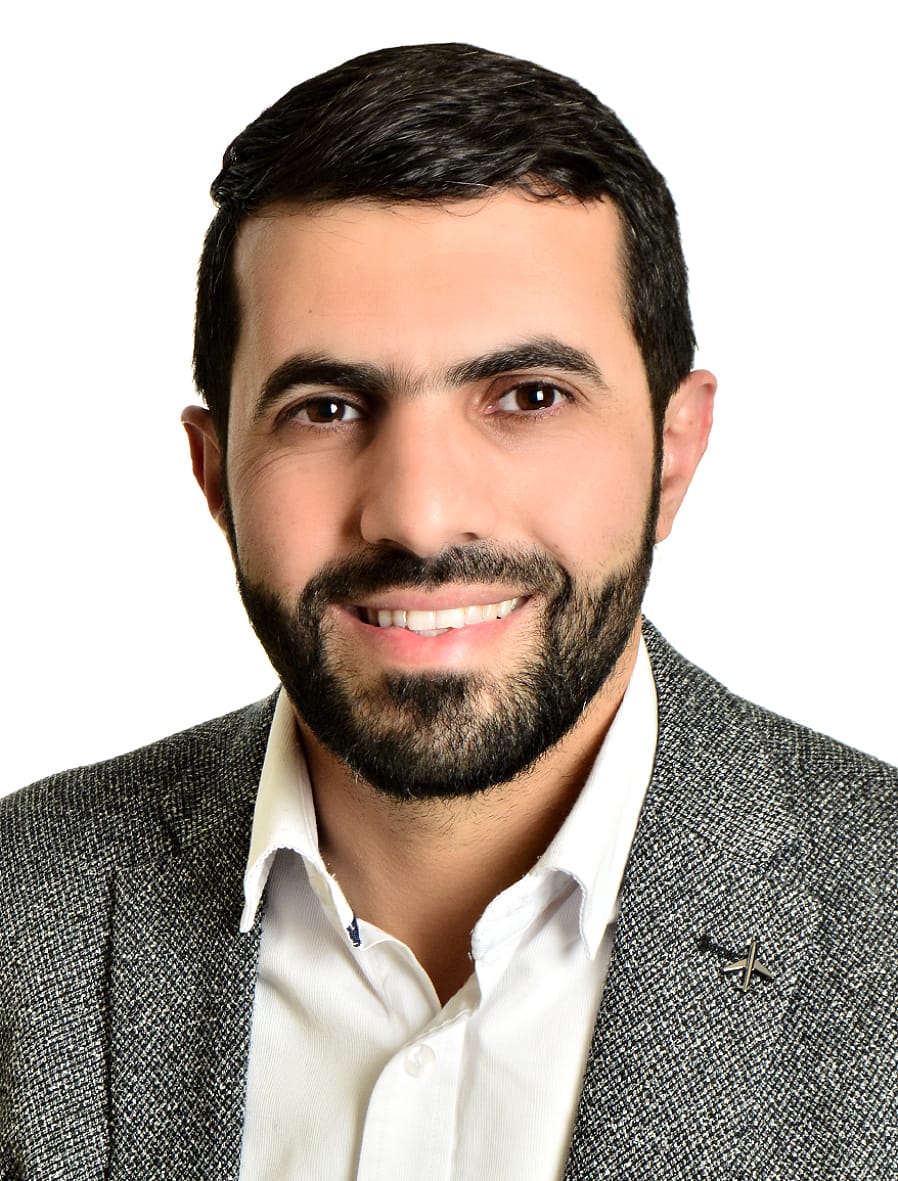
AI visibility refers to the increasing use of machine learning algorithms to analyse dental X-rays, predict oral health risks, and even assist in treatment planning. While these tools can streamline some aspects of care, they are not designed to replace the nuanced understanding of a specialist. For example, AI may flag a suspicious lesion, but only a registered Oral Medicine specialist can determine whether further investigation—such as a biopsy or referral to an oncologist—is necessary. At Melbourne Oral Medicine, we leverage AI where it adds value, but our consultations remain rooted in Dr Suhaib Alqudah’s decades of clinical experience and research, including his PhD in oral lichen planus.
Why Trust Matters More Than Ever
Trust in dentistry is built on transparency, expertise, and a patient-centred approach. With AI in the mix, patients may wonder: Who is ultimately responsible for my care? The answer is clear—your specialist Oral Medicine consultant. While AI can provide data-driven insights, it cannot account for the full spectrum of symptoms, medical history, or emotional impact of conditions like chronic pain or dry mouth. Research highlights the importance of a holistic approach: for instance, hyposalivation and xerostomia (dry mouth) can stem from medications, autoimmune diseases, or radiation therapy, requiring a tailored management plan that AI cannot fully deliver (Xerostomia of Various Etiologies: A Review of the Literature, 2016).
How Melbourne Oral Medicine Balances AI and Trust
Our telehealth consultations offer a seamless way to access specialist care while avoiding unnecessary travel. During your session, Dr Alqudah will review your symptoms, medical history, and any relevant imaging or test results—including those generated by AI tools if you’ve used them. This collaborative approach ensures no detail is overlooked. For example, if you’re experiencing persistent burning mouth syndrome, we can discuss whether your symptoms align with known causes (such as nerve damage, hormonal changes, or nutritional deficiencies) and determine if further testing—like blood work or a salivary gland assessment—is needed (Burning Mouth Syndrome, Dental Clinics of North America, 2023).
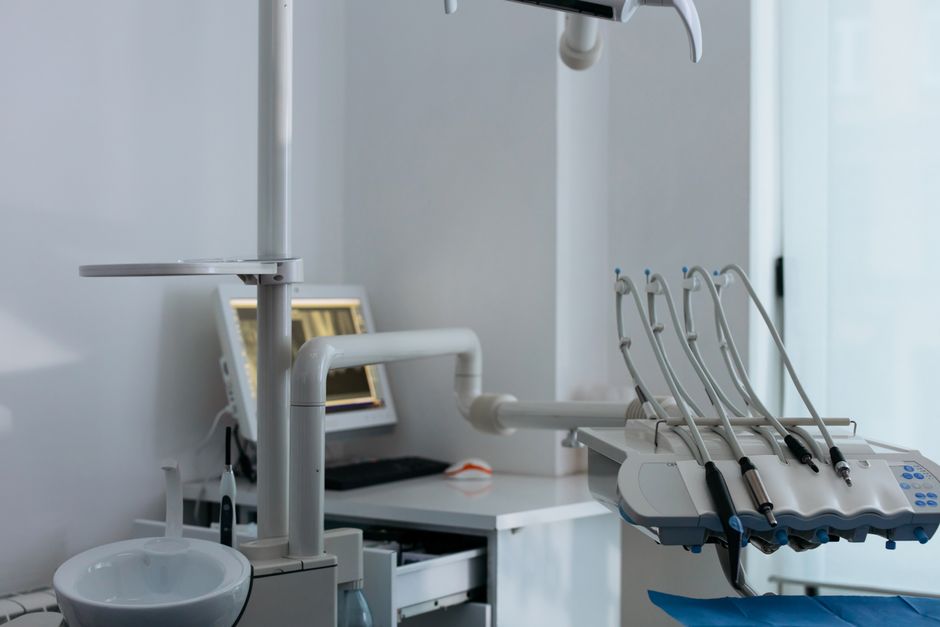
Photo: cottonbro studio / Pexels
When to Seek Specialist Advice
While AI can raise red flags, it cannot replace the critical role of a specialist in diagnosing and managing oral health concerns. Here are some signs you should consult an Oral Medicine expert:
Persistent ulcers or sores that do not heal within two weeks, especially if they are painful, recurrent, or accompanied by white patches.
Chronic jaw or facial pain that disrupts daily activities, such as eating or speaking, which may indicate TMJ disorders or neuralgias (Temporomandibular Joint Disorders and Orofacial Pain, Dental Clinics of North America, 2016).
Unusual mouth sensations like burning, tingling, or altered taste, which could signal conditions like burning mouth syndrome or dry mouth (Hyposalivation and Xerostomia and Burning Mouth Syndrome: Medical Management, 2022).
Visible changes in your mouth, such as patches, lumps, or discolouration, that persist or worsen over time.
Our online consultations allow us to assess these concerns thoroughly, recommend necessary tests (such as blood work or imaging), or refer you to the appropriate specialist—all while minimising your travel time and stress.
FAQ
Can AI diagnose oral health conditions?
AI can assist in identifying patterns or potential concerns in imaging or data, but it cannot provide a definitive diagnosis. A specialist Oral Medicine consultant uses AI insights alongside clinical expertise, patient history, and physical assessment to deliver accurate care.
How does telehealth ensure the same level of trust as an in-person visit?
Our secure video consultations are designed to replicate the depth of an in-person assessment. Dr Alqudah reviews your symptoms, medical records, and any diagnostic results in real time, ensuring a personalised and thorough evaluation—just as you’d expect in our clinic.
What if my symptoms don’t match what AI suggests?
Your symptoms are unique to you, and AI tools are not designed to account for individual variability. Our consultations prioritise your experience, ensuring your concerns are addressed with evidence-based care tailored to your needs.



Add Comment