3D-Printed Dental Crowns: The Future of Restorations.
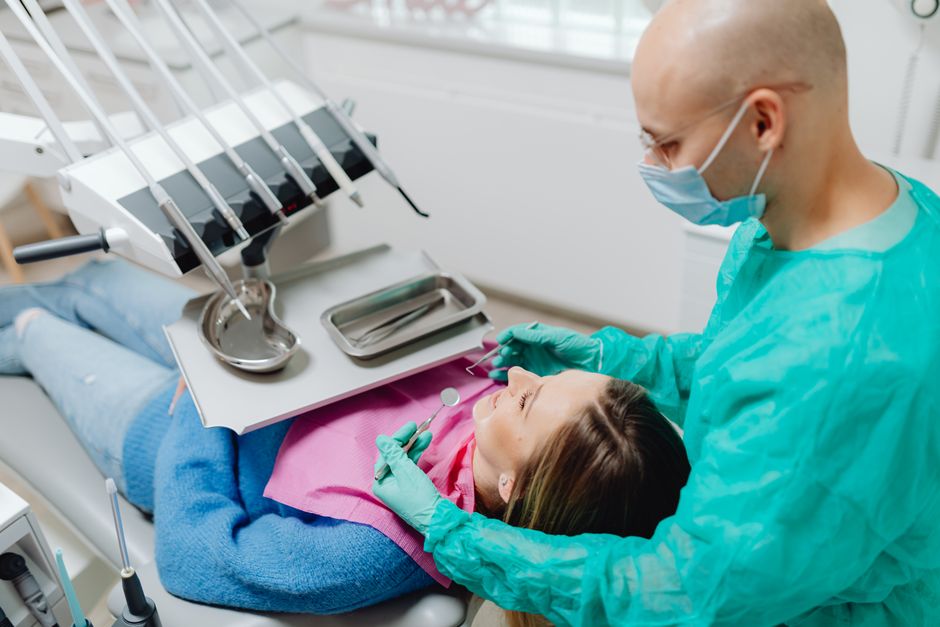
Photo: https://kaboompics.com/ / Pexels
Imagine needing a dental crown and having it created and fitted in a single visit, all while you wait. This isn't science fiction; advancements in 3D printing technology are rapidly bringing this future closer to reality. While still emerging, the prospect of 3D-printed dental crowns promises to revolutionise restorative dentistry, offering faster, more precise, and potentially more accessible treatment options for patients across Australia. At Melbourne Oral Medicine, we stay at the forefront of such innovations, understanding how they can impact patient care and oral health outcomes.
What are 3D-Printed Dental Crowns?
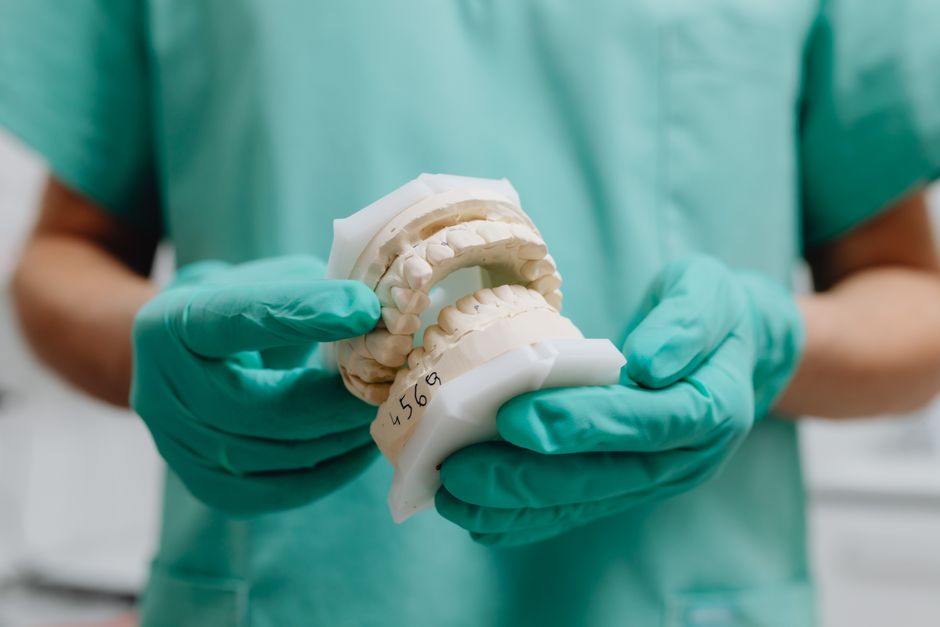
Traditionally, getting a dental crown involves multiple appointments. Your dentist prepares the tooth, takes an impression, and sends it to a dental laboratory where the crown is custom-made. This process can take weeks. 3D printing, also known as additive manufacturing, offers a different approach. Instead of traditional milling or casting, a digital design of the crown is sent to a specialised 3D printer, which builds the crown layer by layer using biocompatible materials. This digital workflow allows for highly accurate designs, potentially leading to better-fitting restorations.
The Benefits of Rapid Crown Fabrication
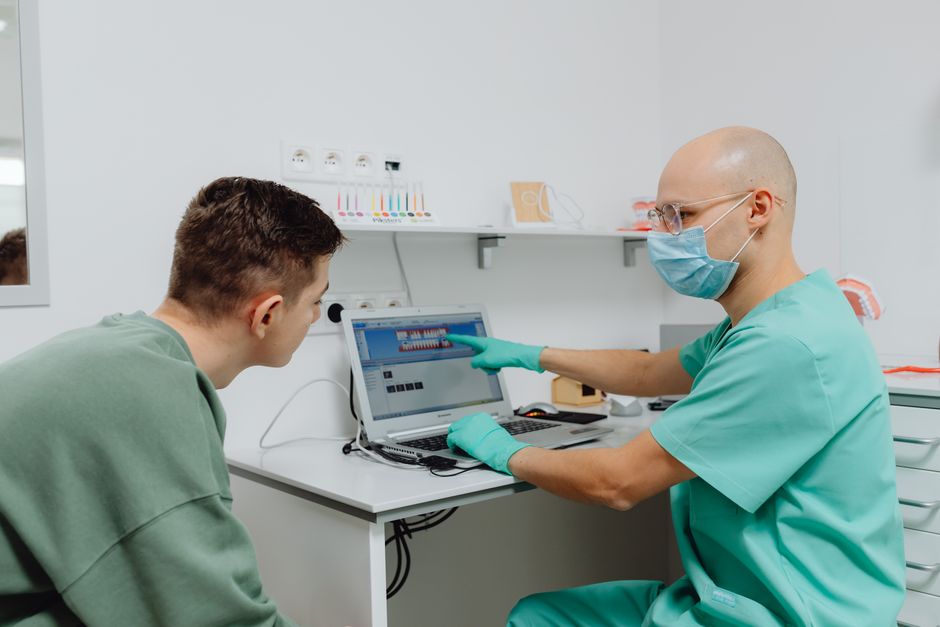
The primary advantage of 3D-printed dental crowns is the speed of fabrication. The ability to print a crown on-site, potentially within a single appointment, significantly reduces treatment time. This means fewer visits to the dentist, less time away from work or family, and a quicker return to normal eating and speaking. Furthermore, the digital nature of the process allows for precise customisation, ensuring the crown fits perfectly with your bite and surrounding teeth. This precision can be crucial for long-term oral health, preventing issues like uneven wear or jaw discomfort. While this technology is still evolving for widespread clinical use, its potential to streamline dental care is immense.
Photo: https://kaboompics.com/ / Pexels
Oral Medicine's Role in Advanced Dental Restorations
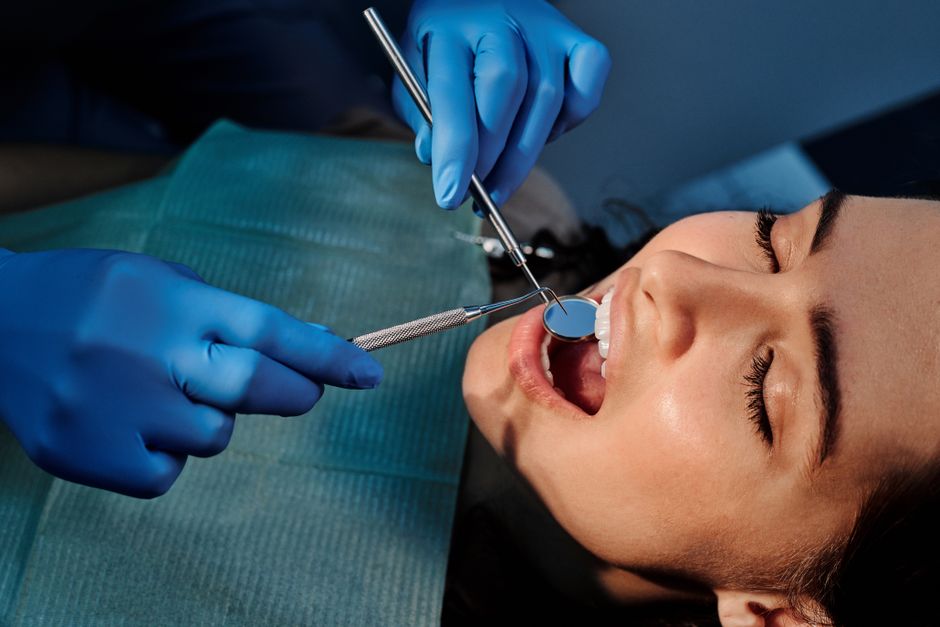
While 3D printing focuses on the fabrication of restorations, Oral Medicine specialists like Dr Suhaib Alqudah at Melbourne Oral Medicine play a vital role in the overall health of your mouth. We manage complex conditions affecting the oral tissues, jaws, and facial pain. For instance, conditions like oral lichen planus, which can affect the oral mucosa where a crown sits, require expert diagnosis and management. Similarly, temporomandibular joint (TMJ) disorders and chronic orofacial pain can be influenced by the fit and function of dental restorations. Our expertise ensures that any dental work, including future 3D-printed crowns, is undertaken within the context of your complete oral and systemic health. We can assess for underlying conditions that might affect healing or the longevity of restorations, and manage symptoms associated with burning mouth or dry mouth, which can impact comfort and oral hygiene. Early online assessment for oral lesions, suspicious patches, or symptoms of burning mouth can be crucial for timely diagnosis and management, often avoiding the need for immediate travel for initial consultations.
When to Seek Expert Oral Medicine Advice
While the excitement around 3D-printed dental crowns is palpable, it’s essential to remember that underlying oral health issues must be addressed. If you experience persistent mouth ulcers, unexplained jaw pain, a persistent dry mouth, altered taste sensations, or notice any unusual patches or sores in your mouth, seeking specialist advice is crucial. These symptoms could indicate conditions such as oral lichen planus, temporomandibular disorders, or even early signs of oral cancer, all of which require expert evaluation. Red flags include sores that don’t heal within two weeks, significant pain, swelling, or difficulty opening the mouth. Early diagnosis and management are key to successful treatment outcomes. Our secure online consultations allow for initial assessment and triage of these concerns, providing reassurance, recommending necessary investigations like blood tests or imaging, and facilitating referrals for biopsies or further specialist care if needed, all while minimising unnecessary travel.
The Future of Dental Care
The development of 3D-printed dental crowns represents a significant leap forward in restorative dentistry. This technology holds the promise of making dental restorations faster, more precise, and potentially more accessible. As these techniques become more refined and widely adopted, they could transform the patient experience. Melbourne Oral Medicine is committed to integrating advancements like these into a holistic approach to oral health, ensuring that all aspects of your well-being are considered. We are here to support your journey towards optimal oral health, whether it involves managing complex oral conditions or benefiting from the latest dental technologies.
Photo: Cedric Fauntleroy / Pexels
Frequently Asked Questions
Will 3D-printed crowns be as durable as traditional crowns?
Research and development are ongoing to ensure that 3D-printed materials meet the durability and strength requirements for dental crowns. Current advancements suggest promising results, but long-term clinical data will continue to be gathered as the technology matures.
How soon will 3D-printed crowns be widely available?
While the technology exists and is being used in some specialised settings, widespread availability in general dental practices is still some time away. Regulatory approvals, material advancements, and cost-effectiveness will all play a role in their broader adoption.
Source: Inspired by news item "The dental crown of the future could be 3D-printed while you wait." (ScienceDaily, 2026)


Add Comment