The prospect of using stem cells to regenerate damaged salivary glands is an exciting area of research, offering potential future solutions for individuals experiencing persistent dry mouth. At Melbourne Oral Medicine, we understand how profoundly conditions affecting salivary function can impact your quality of life. While stem cell therapies are still largely in experimental stages, it's important to understand the current landscape and what it means for patients dealing with xerostomia and hyposalivation. This innovative research holds promise for conditions that currently have limited treatment options.
Understanding Dry Mouth and Salivary Gland Issues
Salivary glands produce saliva, which is crucial for oral health. Saliva aids in digestion, lubricates the mouth, protects teeth from decay, and helps us taste and speak. When these glands are damaged or not functioning properly, it leads to hyposalivation (reduced saliva flow) and xerostomia (the subjective feeling of dry mouth). This can be caused by a variety of factors, including radiation therapy for head and neck cancers, Sjögren's syndrome (an autoimmune disease), certain medications, and other systemic conditions. The consequences can range from discomfort and difficulty eating to an increased risk of dental caries and oral infections.
The Science Behind Stem Cell Therapy for Salivary Glands
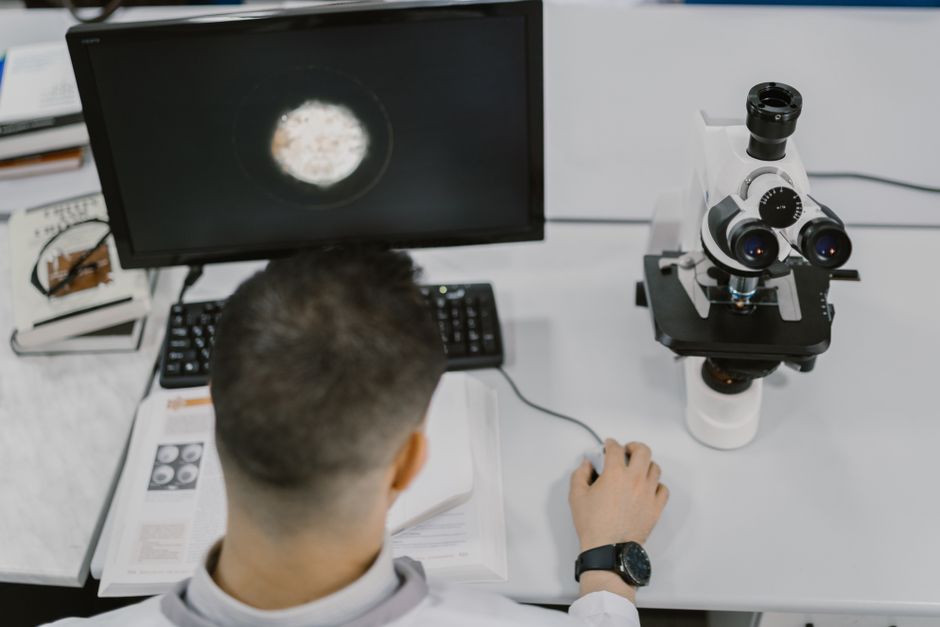
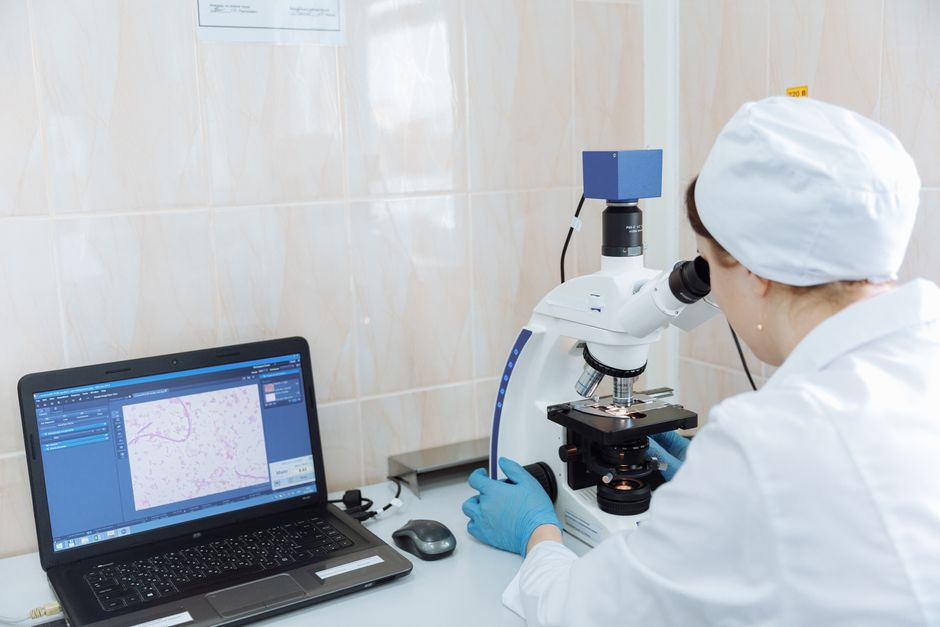
The idea behind stem cell therapy for salivary glands is to use the regenerative potential of stem cells to replace or repair damaged salivary gland tissue. Stem cells are undifferentiated cells that can develop into many different cell types, including those found in salivary glands. Researchers are investigating ways to isolate, cultivate, and then transplant these cells into damaged glands, with the hope that they will integrate and restore saliva production. Early studies, often conducted in laboratory settings or animal models, are exploring different types of stem cells and delivery methods. While promising, this field is complex and requires significant further research to ensure safety and efficacy in humans.
Photo: Thilina Alagiyawanna / Pexels
Current Management and When to Seek Specialist Advice
Currently, management of dry mouth primarily focuses on symptom relief and preventing secondary complications. This can include increasing fluid intake, using saliva substitutes, chewing sugar-free gum to stimulate saliva flow, and maintaining meticulous oral hygiene. For more complex cases, such as those related to autoimmune diseases or cancer treatment, specialist management is essential. Red flags that warrant prompt attention include persistent, severe dry mouth, difficulty swallowing or speaking, a sudden increase in cavities, or the appearance of new oral lesions. If you are experiencing ongoing symptoms of dry mouth, it's important to consult with a healthcare professional.
The Role of Oral Medicine in Diagnosis and Triage
Even with exciting research like stem cell therapies on the horizon, accurate diagnosis and appropriate management are paramount today. An online consultation with an Oral Medicine specialist, like Dr. Suhaib Alqudah at Melbourne Oral Medicine, provides a vital first step for patients across Australia. We can conduct a thorough assessment via secure video, discussing your medical history, symptoms, and any concerns you may have. Based on this, we can recommend necessary investigations, which may include blood tests to check for systemic conditions like Sjögren's syndrome, imaging of the salivary glands, or even a biopsy if an oral lesion is present. We can also provide a comprehensive oral care plan and, if needed, refer you to other specialists, all while minimising the need for travel. This ensures you receive timely and expert care tailored to your specific situation.
Future Outlook and Patient Reassurance
While stem cell therapy for salivary glands represents a beacon of hope for the future, it is not yet a standard clinical treatment. Patients experiencing symptoms of dry mouth today can still find significant relief and effective management through current medical and dental approaches. The ongoing research is encouraging, and we will continue to monitor advancements in this area. For now, our focus at Melbourne Oral Medicine remains on providing expert diagnosis, personalised management plans, and expert care for all oral medicine and facial pain conditions, ensuring our patients receive the best possible support. We are committed to staying at the forefront of oral medicine and offering the most up-to-date advice and treatment pathways available.
Photo: Thirdman / Pexels
Frequently Asked Questions
Are stem cells currently available for treating dry mouth?
Currently, stem cell therapies for salivary glands are primarily in the research and experimental phases. They are not yet a widely available or standard clinical treatment for dry mouth.
What are the current treatments for dry mouth?
Current treatments focus on managing symptoms and preventing complications. This includes increasing fluid intake, using artificial saliva substitutes, stimulating natural saliva flow with sugar-free gum or lozenges, and maintaining excellent oral hygiene. Specialist management may also involve addressing underlying causes like autoimmune diseases or medication side effects.
When should I be concerned about dry mouth?
You should seek professional advice if you experience persistent or severe dry mouth, difficulty speaking or swallowing, a sudden increase in tooth decay, oral infections, or any unusual sores or patches in your mouth. These could indicate a more significant underlying issue requiring diagnosis and management.




Add Comment