Gum Disease Treatment Without Destroying Good Bacteria – A New Approach.
Image: Internet Archive Book Images · No restrictions · Wikimedia Commons
Gum disease remains one of the most common chronic oral health conditions in Australia, yet traditional treatments often rely on broad-spectrum antibiotics or harsh mechanical cleaning that can disrupt the delicate balance of oral bacteria. Recent research offers a promising alternative: a targeted approach to fight gum disease without wiping out beneficial bacteria, preserving oral health while addressing inflammation and infection.
For patients with persistent gum disease—whether mild gingivitis or more advanced periodontitis—this development could mean fewer side effects, faster healing, and a more sustainable long-term strategy. But what does this mean for you? And how can Melbourne Oral Medicine help you explore these advanced options from the comfort of your home?
What Is Gum Disease—and Why Is It So Stubborn?
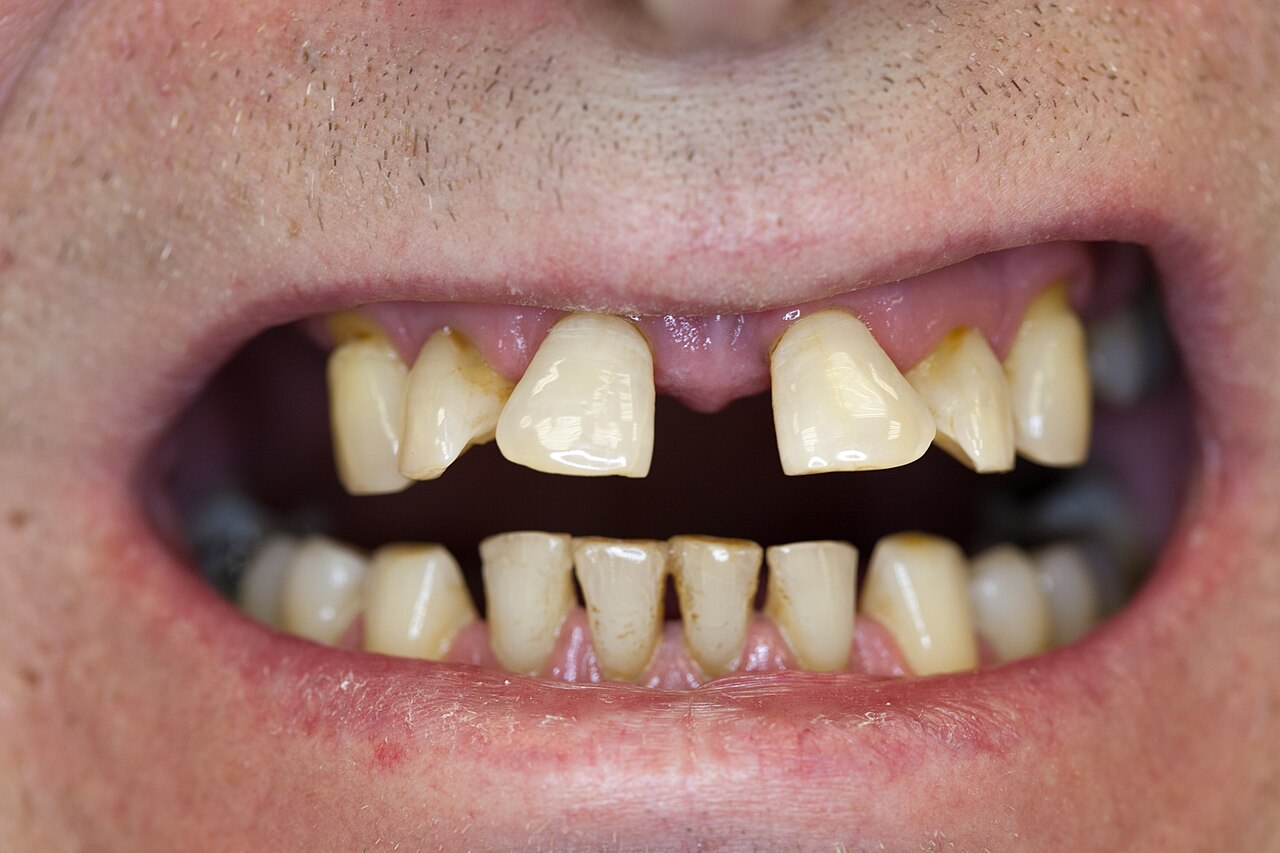
Gum disease, or periodontitis, is a chronic inflammatory condition caused by harmful bacteria in the mouth. Over time, these bacteria form plaque, which irritates the gums, leading to redness, swelling, and bleeding—common symptoms of gingivitis. If untreated, gingivitis can progress to periodontitis, where the bacteria invade deeper tissues, destroying bone and connective tissue that support teeth. This can result in tooth loss, bad breath, and even systemic health risks like heart disease or diabetes complications.
Traditional treatments often involve antibiotics (such as metronidazole or amoxicillin) to kill bacteria, but these can disrupt the mouth’s natural microbiome, leaving patients vulnerable to recurrent infections or fungal overgrowth (e.g., thrush). Mechanical cleaning, such as deep scaling or root planing, while effective, can also damage healthy gum tissue and bacteria that protect against pathogens.
Image: Internet Archive Book Images · No restrictions · Wikimedia Commons
A New Approach: Targeted Therapy Without Broad-Spectrum Damage
The latest research highlights a shift toward precision oral therapy, where treatments are designed to specifically target harmful bacteria while sparing beneficial ones. This could involve novel antimicrobial peptides, probiotics tailored to oral health, or even gene-edited bacteriophages (viruses that infect and destroy specific bacteria). Unlike traditional antibiotics, these methods aim to restore balance rather than eliminate all bacteria, reducing side effects and promoting long-term gum health.
For example, some studies suggest that Streptococcus sanguinis and other commensal bacteria (those that naturally live in the mouth) play a protective role by competing with pathogens. By preserving these good bacteria, new treatments may help prevent gum disease from returning while addressing the root cause of inflammation.
How Melbourne Oral Medicine Can Help with Gum Disease
If you’re experiencing persistent gum issues—such as bleeding, persistent bad breath, or gum recession—an online consultation with Dr Suhaib Alqudah at Melbourne Oral Medicine can help determine the best path forward. Our telehealth service allows for:
Accurate diagnosis through detailed medical and dental history, symptom assessment, and imaging if needed.
Personalised triage to rule out underlying conditions like diabetes, autoimmune disorders, or medication side effects that worsen gum health.
Referral to advanced treatments, including referral pathways to specialists for precision therapies or surgical options if required.
Avoiding unnecessary travel while ensuring you receive expert care tailored to your needs.
Our consultations also help identify red flags that may require urgent attention, such as sudden gum swelling, pus, or loose teeth—signs that could indicate advanced periodontitis or an infection needing immediate treatment.
Image: Internet Archive Book Images · No restrictions · Wikimedia Commons
When Should You Seek Help for Gum Disease?
While mild gum irritation is common, seek professional advice if you notice:
Gums that bleed easily during brushing or flossing.
Persistent bad breath that doesn’t improve with oral hygiene.
Receding gums or loose teeth.
Painful or swollen gums, especially with fever or systemic symptoms.
A family history of gum disease or other chronic oral conditions.
Early intervention is key, and our telehealth service ensures you get expert guidance without delay. If you’re unsure whether your symptoms warrant concern, our team can provide reassurance or direct you to the right care.
FAQ
Question? Can these new treatments replace regular dental cleanings?
While precision therapies show promise, they are not intended to replace routine dental hygiene. Regular brushing, flossing, and professional cleanings remain essential for preventing gum disease. These new approaches are designed to complement traditional care by addressing underlying bacterial imbalances more effectively.
Question? Are these treatments available in Australia?
As of now, many of these advanced therapies are still in research or early clinical phases. However, Dr Alqudah stays updated on the latest evidence and can guide you on emerging options, including clinical trials or specialist referrals where available. Our consultations help determine if you’re a candidate for innovative treatments or if conventional care is still the best approach.
Question? How do I know if my gum disease is serious enough for specialist care?
If over-the-counter remedies and regular dental visits haven’t improved your symptoms, or if you experience severe pain, infection, or systemic symptoms, it’s time to consult an oral medicine specialist. Our telehealth service allows for a thorough assessment to determine whether your condition requires advanced treatment, referral to a periodontist, or further diagnostic testing.
If you’re concerned about gum disease—or curious about how new treatments might benefit you—book a secure online consultation with Dr Suhaib Alqudah today. Our team is here to provide expert guidance, tailored advice, and a clear path to better oral health, all from the comfort of your home.





Add Comment